Year
Gui
You
Pian Yin
Qi Sha / Pian Guan
Hidden Stems
Xin (Qi)
- Star Luck
- Jue
- Sitting Branch
- Bing
- Void
- Xu-Hai
- Na Yin (Elemental Sound)
- Jian Feng Jin
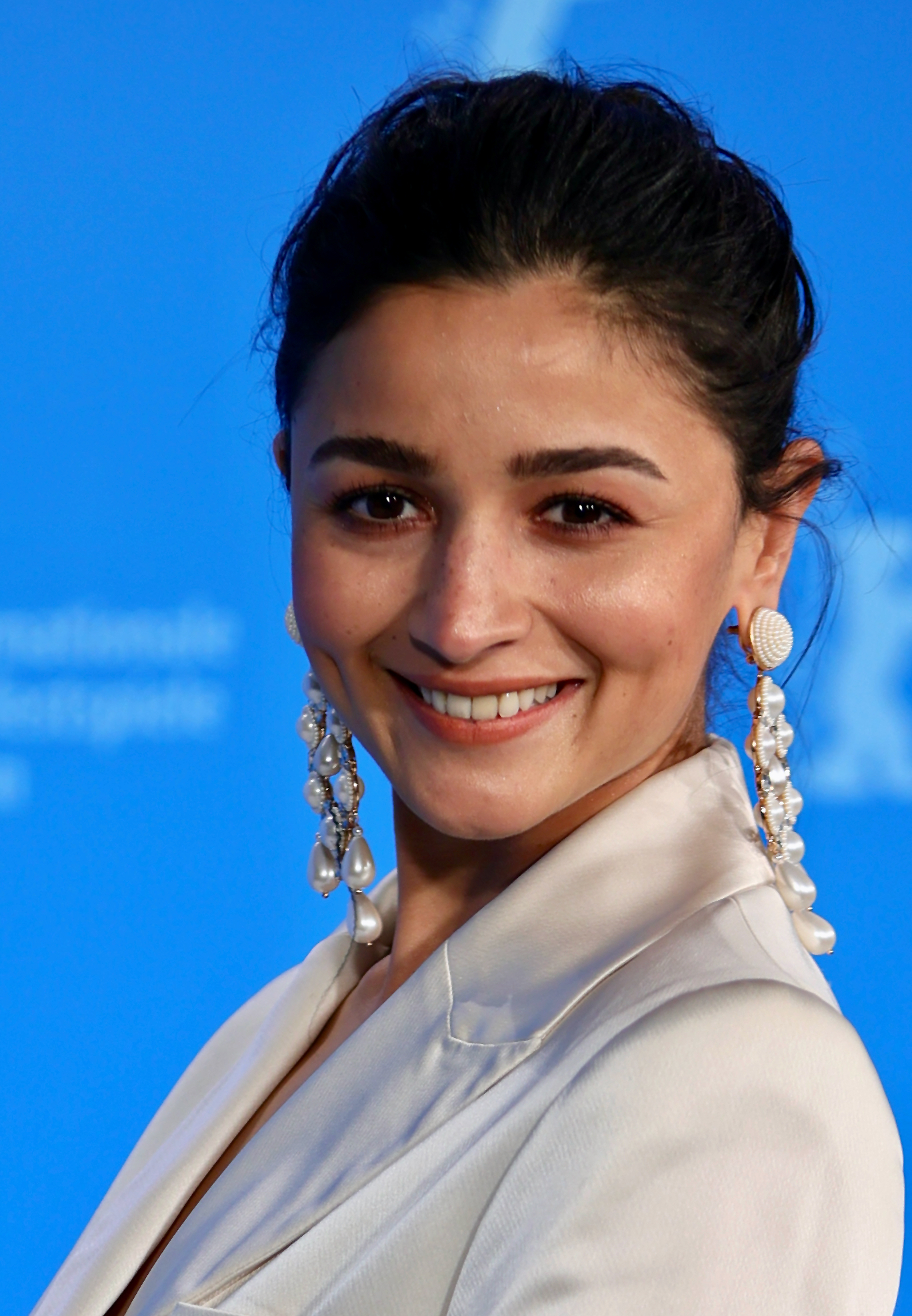
Alia Bhatt (Alia Bhatt) was born on March 15, 1993, in Mumbai, India. She is an Indian actress of British nationality and is widely regarded as one of the highest-paid and most influential actresses in contemporary Indian cinema. She comes from the well-known Bhatt family in the entertainment industry: her father is director Mahesh Bhatt, and her mother is actress Soni Razdan. Despite a strong family background, Bhatt established her credibility early on through continual breakthroughs in her craft. She debuted as a child artist in 1999, and in 2012 she took on her first leading role in Karan Johar’s Student of the Year, bringing her into the mainstream spotlight.
Bhatt’s career is noted for portraying women navigating challenging circumstances. Highway (2014) marked a turning point in her acting journey and earned her widespread critical acclaim. She subsequently won the Filmfare Award for Best Actress multiple times for films such as Udta Punjab (2016), Raazi (2018), and Gully Boy (2019). In 2022, she portrayed a former brothel madam turned social activist in the biographical film Gangubai Kathiawadi. The role not only earned her a fourth Filmfare trophy, but also won her the National Film Award for Best Actress, further cementing her top-tier standing in the industry.
As her career continued to rise, Bhatt also faced controversy. In 2020, amid industry discussions about nepotism following the death of Sushant Singh Rajput, she became a focal point of public attention as a member of an entertainment family. The trailer for her film Sadak 2 received record-breaking negative ratings on YouTube. However, she quickly rebuilt her reputation through the success of subsequent projects. From 2022 onward, she expanded her commercial reach with major productions such as RRR and Brahmastra, and with Jigra she set a record in 2024 for winning the Filmfare Award for Best Actress for the sixth time.
Beyond acting, Bhatt is also a successful entrepreneur and investor. She launched the eco-initiative CoExist in 2017, founded the production company Eternal Sunshine Productions in 2019, and established the sustainable children’s clothing brand Ed-a-Mamma in 2022. In her personal life, she married prominent actor Ranbir Kapoor in 2022, and they have one daughter. In 2024, Time magazine named her one of the 100 Most Influential People in the World, reflecting a further rise in her international profile.
Yi Mu, the ruler of the day, was born in the month of Mao, and became prosperous due to order, so it was named Jianluge. Moreover, the earthly branch Mao was not half-combined with the wood board, and the year stem and Gui water were born to help, so it was judged that the body was extremely prosperous (exclusively prosperous or strong and prosperous). This energy state is like the vines that cover the mountains and plains in mid-spring. It has extremely tenacious vitality, high toughness and self-repair ability. This means that the native is not a hothouse flower, but a person who appears to be weak but is actually extremely strong-willed and subjective. People with strong bodies are energetic and able to withstand pressure, but they are also prone to becoming stubborn due to excessive self-awareness and need a huge stage to consume their excess energy.
The pattern is Jianluge (the original energy of the moon), the first god is to like food and hurt the show (fire), to be happy to kill officials (gold) and prune as the supplement, and to avoid seals (water and wood). In numerology, those who are strong and have more calamities (more competitors) need to "show off" the most, that is, find an outlet. The five elements of "food injury" belong to fire, representing performance, artistic expression, eloquence and creativity. This means that the native must devote himself to a high-intensity creative or performing arts environment and balance his inner energy through constant "release" and "expression", otherwise he will easily become depressed or fall into unnecessary competition. Fire is not only talent, but also the sunshine that illuminates this jungle, which determines the height of her achievements.
The year branch Youjin (seven kills) and the moon branch Maomu (shoulder) form a "maoyou conflict", and due to the strong body, there is a situation of "competing disasters and resisting killings". This combination creates a character background that "grows in conflict". "Seven Kills" represents authority, pressure, and harsh judgment from the outside world (such as public opinion, father's influence), and "Bi Jian" represents self-will. The conflict between the two means that she was in a fierce tug of war between high pressure from the outside world and self-proofing in her early years. She is not the type to obey authority, but establishes her position by confronting authority and constantly polishing herself amidst criticism. This sense of conflict gives her great explosiveness and the ability to bounce back from adversity.
The destiny is to bring the noble person Tianyi (moon branch and Mao), the general star (year branch You, month branch Mao) and the sun sitting on the canopy (wei). "Tianyi Noble" symbolizes the protection of natural resources and connections brought by her birth environment, explaining her background in the performing arts family; "Jiangxing" represents power and leadership, meaning that she has the potential to become a leader in the industry; and "Huagai" entering the Rizhi branch implies that she has a lonely and noble artistic temperament deep in her heart. Despite the excitement on the outside, she essentially needs to be alone to have a self-talk through the artistic spirituality of "Canopy", which is also the psychological root of her ability to control deep roles.
Yi wood, the ruler of the sun, is a yin wood, soft and tough in nature, and combined with the earthly branch Mao Wei, it shows the wisdom of clinging and survival like a "vine-like armor". Yi wood is not as rigid and easy to break as Jia wood, but is as flexible as a vine and is good at adapting to environmental changes. Her character background not only has strong adaptability, but also a method of "overcoming strength with softness". When faced with pressure, she would not break head-on, but would instead take detours to achieve her goal. This mode of thinking enables her to navigate the complex entertainment industry with ease, maintaining her core while also complying with business rules.
The most advantageous energy in the destiny lies in the Ding Fire (God of Cookery) hidden in the middle of the day branch, forming the potential of "bright wood fire". The "God of Cookery" represents delicate emotional perception, artistic understanding and non-aggressive desire for expression. Because the wood energy is extremely strong, the light of the fire is particularly precious and bright. This explains why she can stand out among many "second generation stars" - she not only relies on resources (Yin Xing), but also relies on a natural and spiritual performance intuition (God of Cookery). She has an irreplaceable competitive advantage in roles with delicate emotions and deep empathy. This is the best path for her energy transformation.
The core conflict lies in the "competition between groups for wealth" and the "battle between gold and wood". "Group competition for wealth" means that peer competition is extremely fierce. She has been in an environment of being compared her whole life, and she must always be wary of resources being divided up by others (competition), which may cause her to always have a sense of crisis and anxiety. The "battle between metal and wood" is reflected in Maoyou Chong, which means that the body's muscles and bones are easily damaged or the nervous system is tight. It also symbolizes that she must constantly be torn between "being herself" (wood) and "meeting society's expectations" (metal). This inner tension is the source of her pain and the source of her artistic tension.
Looking at the whole thing, this is a lush vine born in spring, which has been pruned by gold and stone and finally grown into a big tree. The trajectory of his destiny is not smooth sailing, but is accompanied by intense pruning (criticism and pressure) and self-growth. The theme of her life is "transformation" - transforming external pressure (Seven Kills) into fame through talent (God of Cookery). She is destined not to be mediocre, but must establish her own coordinates in constant conflict and expression, and eventually grow from a vine dependent on the environment to a landscape that cannot be ignored.
Shang Guan (Expressive Output) shows on the stems; a “wood-and-fire clarity” pattern begins to emerge, while the Earthly Branch Chen (earth) provides a stable root. This phase marks the early sprouting and outward expression of the native’s gifts. Shang Guan points to a strong drive to express oneself, artistic talent, and creative independence; for an Yi Wood Day Master, it is like a tree coming into bloom. Entering this luck cycle early suggests she displayed unusual spark and stage presence ahead of her peers, and it also implies supportive conditions from her background (Chen earth) that allowed this young sapling to grow steadily.
Shang Guan generates wealth; the Wealth Star nourishes Sha. Professionally, this is mainly a period of initial showcasing and skill accumulation. Although still young, Shang Guan’s energy supports fearless self-expression, laying psychological and technical groundwork for a later entertainment career. Because Chen is a “water reservoir” and carries residual Yi-wood qi, these ten years are more about learning and experimenting under the shelter of family resources, rather than true commercial monetization—yet the first hints of public recognition begin to appear.
Bi Jie (Peers/Competitors) contends for wealth; Hong Luan (Marriage Star) has not yet been activated. At this stage, relationships center on peers and family. With Bi Jie energy hidden, she may naturally stand out in groups, while also feeling competitive pressure from her age cohort. Emotionally, this is still an early, naïve phase—more reflected as affection from elders and popularity among peers.
Wood and earth restrain each other; earth qi is taxed. Strong wood can over-control Chen earth, so attention should be paid to spleen-and-stomach digestion. During growth years, this may show as a sensitive stomach or dietary discomfort; mentally, an active mind can also lead to fluctuating sleep.
Shi Shen (Nourishing Output) and Shang Guan (Expressive Output) release brilliance; wood and fire become clear—an ideal “golden launch” for performance and public-facing work. This is a crucial breakout decade. Shi Shen and Shang Guan together form strong fire, specifically venting the Day Master’s abundant wood qi. In classical terms this is “xie xiu” (releasing refined talent), meaning her abilities are expressed to the fullest; output is both prolific and market-recognized. This decade establishes a top-tier industry position and maximizes personal charisma.
Shi Shen moderates Sha; Shang Guan generates wealth—both fame and income are likely to rise together. The arrival of fire activates the chart, transforming strong but previously under-channeled wood qi into visible brilliance (screen presence, craft, and works). From the 2012 debut onward, annual influences align with this fire momentum, helping her gain a firm foothold quickly in a highly competitive entertainment market. Income can grow rapidly, driven mainly by monetizing public recognition and sustained high-intensity creative output—an archetypal “living by talent” phase, and doing very well by it.
Strong output brings abundant Peach Blossom (Charisma/Romance), yet with variability. Excess output often indicates rich emotions and a romantic orientation, but also larger mood swings—sometimes becoming willful or selective in relationships. This decade tends to bring strong attraction and frequent relationship news; with fire running high, connections may begin quickly and also change quickly, making early stability less likely. The emphasis is often on the experience of love rather than locking in a final outcome.
Fire is exuberant and can “scorch” wood; water qi is consumed. While beneficial for career, intense fire can overdraw vitality (wood) and kidney-water. This decade is prone to endocrine imbalance, menstrual irregularity, or inflammatory “heat” patterns due to overwork. Structured rest is important to balance sustained energetic output.
Zheng Cai (Direct Wealth) takes the lead; Wu and Wei form a harmony that tilts toward fire-and-earth, completing an “output generates wealth” structure. Entering this phase, life focus shifts from pure performance to management and stability. Zheng Cai on the heavenly stems points to predictable, steady worldly results and a stronger sense of responsibility. The Wu-fire combining with Wei-earth further strengthens fire/earth, suggesting a move from front-stage stardom toward behind-the-scenes capital control, production, brand building, or family construction—an entry into a more mature life stage.
Wealth qi opens the gates; the Day Seat “wealth storehouse” is activated. Career development in this decade relies less on solo performance and more on producing, investing, or building brands. With Wu-fire supporting Wu-earth, commercial value can peak, and the income structure becomes more diversified and stable. This period is favorable for major business recognition or standout box-office outcomes, and may also support significant asset upgrading through marriage or strategic partnerships.
Wealth strengthens Officer; the Wu-Wei harmony activates the spouse palace. This is one of the most favorable luck cycles for concrete relationship outcomes. The direct harmony in the branches stirs the spouse sector, indicating strong and stable marriage momentum. In 2022 (Ren-Yin), annual timing aligns with the luck cycle and natal chart to match a marriage-and-child milestone. Family life becomes an important emotional anchor, and the partner often brings practical resources and/or meaningful emotional support.
Fire-and-earth dryness: circulation and cardiac load. Wu-fire corresponds to the heart; heavy earth can slow and congest. Prioritize cardiovascular health and weight management if metabolism slows. Dry-heat may also show as skin sensitivity or eye fatigue.
Pian Cai (Indirect Wealth) is unified in stem and branch; Wei-earth repeats the Day Branch (Fu Yin, repeating branch), and the Wealth Star can strain the Resource. This decade carries very dense momentum. Pian Cai points to large liquidity and income beyond the primary lane. With the luck branch Wei repeating the Day Branch Wei (Fu Yin), the native may undergo deep self-review and restructuring. This is often the fastest expansion period for a business empire, yet it can come with inner anxiety—calling for a new balance between material growth and mental ease.
Peers contend for wealth; the wealth storehouse opens wide. Career may fully enter capital operations—such as becoming an owner, principal, or major investor in entertainment-related ventures. However, Fu Yin can also bring a sense of stagnation or repetition, including bottlenecks, or disputes with partners and peers (Bi Jie) over profit distribution. Wealth can be substantial, but so can spending and investment risk; avoid overexpansion that creates cash-flow pressure.
Fu Yin often signals emotional reversals; Pian Cai can feed Sha pressures. A Fu Yin cycle frequently coincides with shifts inside the family system—such as elders’ health concerns or a cooler phase in the marital bond. With Pian Cai overly strong, the native may hold significant decision power at home, which can unintentionally pressure the partner. Guard against distracting Peach Blossom entanglements affecting household stability, and pay attention to the health of the father figure or spouse.
Excess earth can constrain wood: gynecologic and digestion vulnerabilities. Double Wei-earth intensifies earth qi and compresses Yi-wood’s space. Be vigilant about breast health, gynecologic cyst tendencies, or chronic digestive issues. Fu Yin also correlates with emotional knotting; proactive support is advised to prevent depressive or anxious patterns.
Zheng Guan (Direct Officer) harmonizes with the self; Yi and Geng combine toward metal, with Officer-and-Resource supporting each other. This is a major turning point: focus shifts from pursuing wealth to consolidating reputation and influence. Zheng Guan combining with the Yi-wood Day Master is a “favorable union,” often indicating institutional recognition, honors, or a dignified semi-retired status. Metal qi refines the previously strong wood qi, bringing more discipline, conservatism, and authority.
The Officer Star protects wealth; reputation becomes the priority. Professionally, the emphasis moves away from high volume and toward classics, legacy, and transmission. Potential manifestations include holding key roles in industry bodies, becoming a mentor, or receiving lifetime-achievement-type honors. Financially, the theme is preservation and steady appreciation rather than high-risk expansion. This decade is well-suited for enjoying past accomplishments and building a lasting personal legend.
Officer harmonizes with the self: partner’s success reflects on the household. Relationship dynamics tend to become steadier and more harmonious, entering a respectful, companionate rhythm. For a female chart, Direct Officer luck often supports the spouse’s trajectory, or brings social honors through the spouse. Family life tends to be more traditional and structured; children are often already established, allowing enjoyment of their support and achievements.
Metal and wood contend: tendons, bones, and aches. Strong metal restraining wood can signal strain involving the liver/gallbladder system and the sinews/bones. Watch for cervical and lumbar wear, and joint issues such as arthritis. Excess metal may also increase respiratory sensitivity (lungs), so seasonal airway care is important.
Qi Sha / Pian Guan (Indirect Officer) appears on the stems; the Mao-You clash strikes the structural axis (month command), creating an intense metal-wood confrontation. This is one of the more turbulent and high-pressure decades. Qi Sha can signify heavy responsibility, health strain, and sudden disruptions; the Mao-You clash directly impacts the chart’s organizing pillar, indicating major shifts in living environment, social ties, or physical condition. It often reads as a “withdrawal/retirement” signal and a significant health checkpoint.
The clash breaks the Lu Shen (Prosperity Star): timely withdrawal is favored. Career-wise, it is advisable to step back thoroughly rather than continue pushing. The month branch Mao-wood is Yi-wood’s root (Lu Shen); being strongly clashed by You-metal suggests that the era of earning primarily through personal capability and front-line output is ending. If one forces continued overexertion, risks include reputational friction or legal/administrative disputes. Financially, prioritize capital preservation; avoid guarantees, leverage, or lending, and reduce exposure to sudden loss events.
Close-kin ties are stirred; separation-and-reunion themes intensify under the clash. A clash to the structural axis often coincides with major family events, including possible bereavement or internal fragmentation. Socially, one may face attacks, rumor, or betrayal. Within the household, conflicts can flare over assets or values; keeping a low profile, minimizing involvement, and responding with calm restraint are recommended.
Metal-wood conflict: guard liver/gallbladder and limb injury risk. This is a higher-risk health cycle. With Mao-wood damaged, vulnerabilities can include liver conditions, neurological events (such as stroke), or serious fractures/trauma. Strict annual checkups are important, with attention to liver/gallbladder markers; travel and traffic safety should be treated as a priority.
Zheng Yin (Direct Resource) sits in a storehouse; water and fire find workable balance, supporting a calmer later life. After the prior turbulence, momentum becomes gentler. Zheng Yin points to medicine, recovery, and spiritual anchoring. Although Xu-earth in the branches restrains Ren-water on the stem (wealth restraining resource), the overall theme is recuperation and rebuilding. The native may lean toward philanthropy, spiritual practice, or inner cultivation in search of peace.
Resource protects the self; spending to build merit. Career concerns fade into the background; focus turns to legacy, values, and maintaining family standing. Financially, there may be larger medical or wellness expenditures (a wealth-restrains-resource signature), or a voluntary redistribution of assets to children and causes. This can function as a pragmatic, risk-reducing balance—“spending to avert larger trouble.”
Resource signifies kindness: enjoying time with descendants. Relationships simplify; support often comes from younger family members or caregivers. While occasional worries may arise around money matters (wealth restraining resource), the overall family atmosphere tends to be tolerant and supportive. Reputation is expressed more as the respected elder of the family line.
Water and earth intermingle: kidneys and urinary system. Monitor kidney function, urinary health, and possible hearing decline. Earth restraining water can also correlate with thicker blood or sluggish circulation; maintain moderate movement and avoid prolonged sitting.
Resource nourishes the self; water generates wood—returning to the root and holding to simplicity. In later years, northern water luck nourishes Yi-wood strongly. This decade often reads as longevity-supporting, with vitality sustained under the protection of resource energy. The pace of life becomes very slow, with a rich inner world—possibly devoted to organizing memoirs or deepening a spiritual path.
Officer and Resource support each other: blessings extend to descendants. Material wealth is no longer the focus; “wealth” becomes a spiritual legacy or a family endowment. With strong resource, it can be favorable for publishing memoirs, establishing scholarships, or other legacy projects that preserve one’s name.
Quiet and selective: spiritual companionship. Pian Yin (Indirect Resource) tends toward solitude; later life may favor privacy and a small circle of confidants, with little desire to be disturbed. Connections with children are more about meaning and shared values than daily companionship.
Excess water can bring damp-cold: manage cold and humidity. With water qi abundant, watch for rheumatic aches, edema, or reduced temperature regulation. Living space should be sunny and dry; diet should be warming and supportive, avoiding excessive raw or cold foods.
Jie Cai (Competing Wealth) supports the self; Zi-water generates wood—an end-of-cycle “last brightening.” Entering advanced age, Jia-wood appears to assist the self, which may look like renewed alertness, yet often reflects a final flare of life force. Zi-water can also be a Peach Blossom indicator, and it is a weakening terrain for the Day Master, hinting at the natural cycle of return and completion. This decade is best approached with acceptance, aligning with nature’s rhythm.
External possessions: ultimately secondary. Career and wealth are no longer central; what remains relevant is the family’s continuity and the stewardship of reputation. With Jie Cai showing, themes may include final estate distribution or the complete handover of family authority.
The Zi–Mao “discourtesy” penalty: be cautious about falls. Zi-water penalizes the month branch Mao-wood; in later years, prioritize daily safety to prevent falls or sudden illness. Social interaction often centers on supportive care and end-of-life companionship.
Cold water and chilled wood: yang qi is depleted. The priority is warmth and supporting yang. Zi-water is cold in nature and can correlate with heart weakness or severe hypothermia risk. Allow the process to unfold naturally and focus on comfort and dignity in later years.
Tian Fu (Treasury Star) solo in the Life Palace, poised like a ruler facing south. Tian Fu is often called the “Treasury Star” or “Command Star,” symbolizing inclusiveness, steadiness, and strong capacity for managing resources. This suggests the native is not the lone, all-or-nothing hero type, but rather a composed decision-maker who reads timing and circumstances well and aims to win through stability. With Tian Fu in the Life Palace, one often appears refined and unhurried, while internally being highly strategic and well-planned—skilled at preserving what is already built and leveraging existing assets (such as family background) to establish a personal domain.
The Life Palace is not directly activated by the Four Transformations, yet it is strongly mirrored by Zi Wei + Qi Sha / Pian Guan (Indirect Officer) in the Travel Palace. Although this palace itself does not carry the Four Transformations, the powerful energy from the opposite palace—Zi Wei (the Emperor Star) together with Qi Sha / Pian Guan (Indirect Officer; archetype: the Warrior/Strategist)—casts a strong influence onto the Life Palace. This implies that key turning points in life often come from “going out” into the wider world. This configuration adds outward pioneering momentum to Tian Fu’s naturally cautious steadiness, allowing breakthroughs without losing stability.
This pattern aligns closely with Alia Bhatt’s acting career: she comes from an entertainment family (Tian Fu’s inherited resources), yet she did not stop there. Through a series of demanding role choices (the opposite palace’s Qi Sha / Pian Guan drive for challenge), she progressed steadily and consolidated a highly secure, “queen-like” standing in Bollywood.
Lian Zhen alone, a “penalty-and-restraint with seal support” pattern. Lian Zhen is linked to secondary Peach Blossom (Charisma/Romance), bloodline ties, and complex rules or boundaries. In the Fu Mu Gong (Parents Palace), it suggests a relationship with the father that is both deep and tense. Lian Zhen’s “confining” quality implies a form of psychological influence or far-reaching impact from the father—both a resource and an invisible constraint.
Indirect influence. Lian Zhen’s complexity echoes her father Mahesh Bhatt’s standing and controversies in the industry. He can be both the guide who helped her enter the field (resource) and the source of early “nepotism” accusations she had to shoulder (constraint). This is not simply indulgent affection; it also carries strict guidance and the transmission of complicated industry rules.
Alia’s career is difficult to discuss without acknowledging her father’s influence. Lian Zhen’s characteristics explain the dual nature of this bond: he offered artistic lineage and an entry pass to the industry, yet she also had to work significantly harder to move beyond the label of “her father’s daughter” and establish an independent sense of identity.
Tai Yin (Moon) in exaltation and strong—bright moon at the celestial gate. Tai Yin represents female relatives, yin-type grace, and inner/spiritual wealth. When it is strong in the Siblings Palace, it suggests the native has especially close ties with the mother and sisters, and that female relatives often play the role of Gui Ren (Mentors/Helpful People) or a steady emotional anchor in life. Tai Yin’s gentle quality also helps soften the noise and pressures of outward fame and status.
Gui Stem: Tai Yin transforms to Hua Ke (Academic/Recognition). Hua Ke signifies reputation, accolades, and public esteem. With Tai Yin Hua Ke in the Siblings Palace, it points to the mother or sisters not only having strong social standing themselves, but also directly enhancing the native’s visibility and name recognition. This is a form of “family prestige” support—guidance and the halo of respected female elders can become an early, credible calling card for entering the public eye.
In real life, Alia has an excellent relationship with her mother, Soni Razdan, and her sister, Shaheen. The Tai Yin Hua Ke influence helps translate this bloodline bond into an advantage in public image: her poise and sensitivity seen by the public are, to a large extent, nourished by the strength of the women within her family.
Tan Lang (Desire & Charisma Star) sits alone; Peach Blossom (Charisma/Romance) is pronounced. Tan Lang is one of the primary Peach Blossom (Charisma/Romance) indicators in Zi Wei Dou Shu, associated with desire, talent, and social magnetism. Placed in the Spouse Palace, it suggests a partner who is notably gifted, highly charismatic, and naturally popular with the opposite sex. This configuration often points to a union within the entertainment world, because someone equally in the spotlight is more likely to match Tan Lang’s strong personal field.
Gui Stem: Tan Lang transforms into Hua Ji (Transformation of Constraint). Hua Ji signifies obstacles, fixation, disputes, or karmic imbalance. When Tan Lang Hua Ji enters the Spouse Palace, it is not simply about marital breakdown; it more often indicates a "deep bond" alongside "external controversy." This suggests that while the relationship is highly attractive, it commonly comes with significant public scrutiny, or requires ups and downs and ongoing adjustment before it can settle into stability.
This aligns closely with her experience of marrying Ranbir Kapoor. As a well-known "romantic playboy" archetype (a Tan Lang-style signature), their relationship has long been a focal point of media attention (Hua Ji tends to bring controversy). This marriage can be both an emotional home for her and a relationship that requires continual navigation of outside judgment and pressure.
Ju Men (Giant Gate) in residence: a dim star that still shines. Ju Men is associated with speech, controversy, research, and emotional distance. In the Children Palace, this typically does not imply poor parent-child relations; rather, it suggests that one’s children (or subordinates, or creative output) may have a tendency to “say the unexpected” or to spark debate. It can also indicate that when nurturing the next generation or producing work, the native gravitates toward serious, incisive, and sometimes critical subject matter.
Gui stem: Ju Men transforms into Quan (authority/command). Quan points to control, authority, and the ability to mobilize action. Ju Men Hua Quan implies “discursive authority” or influence through speech. This not only suggests strong-willed children, but also reflects that the “works” the native brings forth can carry substantial social impact. Establishing authority through voice and expression (dialogue, messaging, articulation) becomes a core mechanism of her output.
As a producer (Eternal Sunshine Productions), Aliya demonstrates the Ju Men Hua Quan signature: films she invests in or appears in (such as Darlings) often engage socially sensitive themes, using cinema as a channel to speak and shape narratives. This supports a reading that she is not only an actor, but also a creator with the capacity for meaningful intellectual and thematic output.
Tian Xiang (Heavenly Minister) in residence; Wealth and Seal flanking the Officer. Tian Xiang is often treated as an “Yin (Seal) archetype,” associated with support, a sense of justice, and image/reputation management. In the Wealth Palace, it suggests that income is best generated through legitimate, reputable avenues—primarily via professional skill, personal image/endorsements, and service-oriented work. This is not a speculative “overnight windfall” pattern; it leans toward sustained high earnings built through credibility and accumulated trust.
Indirectly influenced by Po Jun Hua Lu (from the Nu Pu Gong: Associates/Support Network Palace). Although this palace does not host a primary star transformation directly, Tian Xiang is highly sensitive to the surrounding-palace and opposing-palace context. With Po Jun (Breaking Army) transforming into Lu (benefit/prosperity) in the Nu Pu Gong, it indicates that the mobility and spending power of “fans” or the broader public can be a key source of her wealth. Tian Xiang is not only about managing money, but also managing “face” (public standing); if the image is damaged, the income stream can be disrupted.
This helps explain why brand endorsements (monetizing image and reputation) form an important part of her income. Tian Xiang’s nature suggests an ongoing need to maintain a polished public persona; her wealth tends to rise in step with a solidifying industry reputation (the “Seal” as credibility), aligning with a classic “Zheng Cai (stable earned income)” profile.
Tian Tong guarding the palace, a childlike heart. Tian Tong is a benefic star associated with emotional ease, inner enjoyment, and innocence. Even if her outward presentation (Qian Yi Gong: Zi Wei + Qi Sha) is decisive and battle-ready, Tian Tong in the Fu De Gong (Wellbeing/Spiritual Palace) reveals an inner self that still longs to be cared for—emotionally rich, somewhat naive, and tender at the core. This is also a key emotional source behind her ability to move audiences through acting.
High sensitivity in emotional perception. With Tian Tong in the Fu De Gong, she is endowed with strong empathy. She can accurately pick up a character’s joy, anger, sorrow, and delight because her own inner world is vivid and sensitive. At the same time, this can make her more prone to emotional fluctuations, and she may benefit from channeling inner waves through artistic creation.
This “strong outside, soft inside” combination is a top-tier artist configuration. Zi Wei + Qi Sha helps her carry responsibility and handle pressure; Tian Tong helps her feel and interpret nuance. The natural vulnerability and purity she shows on screen (for example, in Raazi) is a straightforward expression of Tian Tong’s energy—and a distinctive charm that sets her apart from more hard-edged leading actresses.
Wu Qu in residence, a “treasures-in-a-golden-house” pattern. Wu Qu is a primary wealth star, associated with the Metal element. In the Tian Zhai Gong (Property/Real Estate Palace), it points to exceptionally strong prospects for acquiring and holding real assets. Wu Qu’s decisive, resilient nature suggests the native has sharp instincts around real estate and a strong desire for control over property. For her, a home is not only a place to live, but also a fortress for “trophies” and a sense of security.
Not strongly disrupted by the year’s Si Hua (Four Transformations). Wu Qu is inherently steady, suggesting that through career (Guan Lu) and wealth (Cai Bo) gains, she can accumulate substantial tangible assets in a gradual, reliable way. This configuration often indicates a preference for high-value properties in prime, resilient locations.
Media reports of Alia purchasing luxury residences in upscale neighborhoods of Mumbai reflect a real-world expression of Wu Qu entering the Tian Zhai Gong. For her, property is not merely an investment; it is also a practical way to convert intangible fame (Tai Yang, Tai Yin) into solid material grounding (Wu Qu).
Tai Yang in a weakened phase: heavy mental and physical output. Tai Yang (Sun Star) governs status, visibility, and giving. In the Career Palace, it indicates a path built on exposure and public recognition. Yet when Tai Yang falls into certain placements (such as specific configurations relative to a Tian Fu-centered chart), it can be dimmed—meaning the road to prominence requires more effort than average, often demanding sustained self-expenditure to “light up” the audience.
Activated indirectly, rather than by direct Four-Transformation triggers from a principal star. Career momentum mainly comes from ongoing self-burn (Tai Yang) and stimulation from the opposite Spouse/Partnership Palace (Tan Lang Hua Ji). This suggests her career is closely intertwined with emotional life and relationship dynamics, and that it benefits from continuous public presence and active heat management to stay fresh.
The entertainment industry is, by nature, a “Tai Yang” domain. Despite a privileged starting point, this Tai Yang placement points to an unseen workload behind the scenes—needing to remain under the spotlight, where any slackening (the Sun losing brightness) risks being forgotten. Her career achievements are earned through high-intensity visibility and sustained energy output.
Tian Ji + Po Jun, a volatile intersection. Tian Ji (Strategy/Change Star) governs movement and shifts; Po Jun (Break-and-Rebuild Star) governs disruption and restructuring. With these in the Friends/Networks Palace (fans, the public, social circles), relationships can be highly changeable, with fan bases or circles renewing rapidly. Public opinion can polarize easily—people either adore her or are eager to tear her down.
Gui (10th Heavenly Stem): Po Jun Hua Lu (Transformation to Prosperity). Hua Lu points to resources, monetization, and relational pull. Po Jun Hua Lu here is an excellent signal for “turning attention into revenue.” Even if connections are turbulent (Po Jun), that turbulence can translate into substantial gains (Hua Lu). The more she breaks convention and sparks debate (a Po Jun trait), the more it can attract attention and convert into tangible returns.
From “nepo kid” controversy to recognition as a performance-driven actor, public perception of her has undergone sharp reversals (Po Jun). Po Jun Hua Lu describes this precisely: controversy itself is attention, and she can convert intense swings in public sentiment into box-office pull. Ongoing reshuffling within the fan base can, paradoxically, sustain long-term commercial value.
Tian Liang (Heavenly Beam) in residence: turning challenges into resolutions. Tian Liang is commonly viewed as a protective/support star, linked to longevity, helpful connections, and easing difficulties. In the Health (Illness) Palace, it often points to a relatively solid baseline constitution; however, its “relief after pressure” quality can indicate a pattern of encountering issues first and then finding effective solutions. This may show up as chronic conditions that benefit from long-term regulation, especially in areas related to digestion or the nervous system.
Not directly impacted by the major Four Transformations. A comparatively calm configuration suggests that health is unlikely to be the primary bottleneck in her life trajectory. Tian Liang’s more solitary, high-minded tone can also echo psychologically, as a tendency toward feeling isolated under pressure or developing a mature, early-responsibility mindset.
Within the demands of intensive performance work, Tian Liang supports strong recovery capacity. While a high-intensity schedule can create latent strain, this star often correlates with timely access to good care, capable practitioners, or restorative breaks—helping her physical condition keep pace with her ambitions.
Zi Wei + Qi Sha, channeling sharp force into authority. This is one of the most commanding combinations in the chart. Zi Wei (Imperial Star) paired with Qi Sha / Pian Guan (Indirect Officer; technically: Qi Sha (Indirect Officer)) in the Migration/Outward World Palace suggests exceptionally strong initiative and leadership when operating in the wider world. At home (Life Palace with Tian Fu), she can read as a refined aristocrat; outside (Travel Palace), she presents as a battle-tested queen. This contrast is a key lever of her success.
Supported by the Life Palace Tian Fu’s steady anchoring. Zi Wei + Qi Sha in the Travel Palace often indicates that growth comes through developing away from one’s home base, or through showing a markedly different, more forceful presence in the public sphere than in private. This is an outward-facing success pattern: the bigger and more dynamic the stage, the more it draws out the leadership qualities of this star pairing.
This palace neatly captures her “superstar build.” What Alia projects on screen (the external world)—explosive drive and command over complex roles (such as the gangster-queen archetype in Gangubai Kathiawadi)—is a direct embodiment of Zi Wei + Qi Sha energy: in front of the public, she naturally takes the role of the one who sets the tone and gives direction.
Generate your personal chart in under a minute. Sign up free and get 30 credits — enough for two or more AI readings. No credit card.
Generate my free BaZi chartPlease sign in to join the discussion
Sign In