Year
Bing
Xu
The Challenger
The Challenger
Hidden Stems
Wu (The)Xin (Indirect)Ding (Companion)
- Star Luck
- 养
- Sitting Branch
- 墓
- Void
- Wu / Wei
- Na Yin (Elemental Sound)
- 屋上土
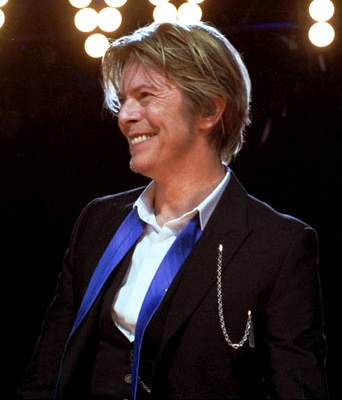
David Bowie (January 8, 1947 – January 10, 2016), born David Robert Jones, was an iconic English singer, songwriter, and actor. He is regarded as one of the most influential musicians of the 20th century, renowned for his constant stylistic reinvention and visual presentation.
Bowie was born in Brixton, London, and studied art, music, and design in his early years. He formed his first band in 1962 and released his self-titled debut album in 1967, which was not a success. His breakthrough came in 1969 with the single "Space Oddity." In 1972, he created the fictional persona Ziggy Stardust, sparking the glam rock wave, and the album "The Rise and Fall of Ziggy Stardust and the Spiders from Mars" was a huge success. In 1975, he shifted to a "plastic soul" style, and the single "Fame" reached number one in the U.S. In 1976, he starred in the film "The Man Who Fell to Earth" and released the album "Station to Station." The Berlin Trilogy from 1977 to 1979 ("Low," ""Heroes,"" and "Lodger") showcased an electronic experimental style. In 1980, the single "Ashes to Ashes" hit number one again. The 1983 album "Let's Dance" marked his commercial peak. He later had a period with the band Tin Machine and continued to explore electronic, industrial, and other styles in the 1990s.
Bowie won 6 Grammy Awards and 4 Brit Awards during his career and was inducted into the Rock and Roll Hall of Fame in 1996. He released "The Next Day" in 2013, and on January 8, 2016, his final album "Blackstar" was released. He died of liver cancer two days later. His record sales are estimated to be over 100 million worldwide.
Ding Fire, born in the Chou month during the depths of winter, does not receive the seasonal command. The Earthly Branch Hai water as the Zheng Guan (Direct Officer) (Zheng Guan) star attacks the body, while Chou Earth, being damp soil, dims the Fire. Although the Si Fire at the Hour Branch provides a root and the Year Pillar Bing Fire in Xu surfaces to support the body, the entire chart is enveloped by a cold and damp energy, leaving the Day Master weak. This indicates that his vital energy is like a candle flame in a winter night, inherently needing external lamp oil (Wood as Indirect Resource) to sustain combustion, and also yearning for the gathering of companions (Fire as Peer) to enhance the light. He gives an overall impression of sensitivity, changeability, and an artistic temperament, prone to fluctuations due to environmental changes and others' evaluations. His greatest strengths are his immense creativity and adaptability, capable of sparking ingenious ideas in adversity. The potential challenge lies in an unstable foundation, leading to self-doubt, and a constant need to seek external validation and resources to maintain inner stability.
The Month Branch Chou Earth is the Eating God (Shi Shen) commanding the season, with Xin Metal revealing as Indirect Wealth (Pian Cai). This forms the structure of Eating God Generating Wealth. However, the Day Master is weak while wealth is strong, and the hidden Gui Water represents Qi Sha (Indirect Officer), creating a pattern where wealth nourishes a weak Indirect Officer. The useful deity first takes Yi Wood as Indirect Resource (Pian Yin) to control the Eating God and transform the Indirect Officer. It favors Bing and Ding Fire as Companions (Peer) to support the body, and avoids Metal, Water, and damp Earth from further increasing the burden. The Wood Resource as the useful deity represents unique ideas, artistic concepts, and noble support. It is precisely through this transcendent aesthetics and creativity that he transforms his Eating God talent into timeless works. The favored Fire represents supporting peers, fans, and the spotlight of the stage, allowing him to continuously gain attention and energy. The unfavorable Metal and Water as wealth and Sha represent commercial pressures, public criticism, and inner anxiety. Throughout his life, he has navigated between artistic purity and market expectations. Each subversion of image and music can be seen as a metaphysical manifestation of using Wood and Fire energy to resist the cold of Metal and Water.
The Heavenly Stem Yi clashes with Xin, signifying Wealth and Resource at war; the Earthly Branch Si clashes with Hai, indicating Shang Guan (Hurting Officer) encountering the Zheng Guan (Direct Officer); and the Year Pillar Bing Fire as Peer combines with and controls Xin Metal as Indirect Wealth, forming an image of the Peer protecting the Resource. The clash between Wealth and Resource shaped his fundamental personality torn between commercial success and artistic purity: the Indirect Resource Yi Wood represents unbounded creativity and a sense of detachment, while the Indirect Wealth Xin Metal signifies worldly fame, profit, and audience recognition. This conflict makes him both yearn for success and fear being consumed by commerce. The Peer combining with wealth indicates his willingness to share resources with partners, a relatively generous attitude towards money, and a greater emphasis on artistic expression itself. The Si-Hai clash reflects his inherent rebelliousness, constantly challenging the norms of the traditional music industry, using the subversive spirit of the Hurting Officer to break the institutional constraints of the Zheng Guan (Direct Officer). The overall structure of Eating God Generating Wealth destines him to exchange his vigorous creativity (Eating God) for worldly glory (Wealth), which serves as the dynamic engine for him as a musical chameleon, continuously producing new styles.
The Day Pillar Ding Hai carries Tian Yi Gui Ren (Heavenly Nobleman), the Hour Branch Si is Yi Ma (Mobility Star) with Wang Shen (Restless Star), the Year Branch Xu is Hua Gai (Canopy Star), the Month Branch Chou is Fei Ren (Flying Blade), and there are earthly branch punishments—Chou penalizing Xu—and clashes—Hai clashing with Si. Tian Yi Gui Ren foretells that at critical moments, there will always be noble people to assist, such as key collaborators like Brian Eno, leading him to new heights repeatedly. Yi Ma symbolizes a lifetime of constant movement and transformation—from London to New York, Berlin, and musical styles shifting from folk, rock to electronic, jazz, never settling. Wang Shen and Hua Gai intensify his nervousness and sense of isolation, granting him the ability to capture surreal inspiration while also contributing to tendencies toward substance abuse and reclusiveness. The Flying Blade at the Month Pillar hints at hidden perils of blood and passion, corresponding to near-death experiences like drug overdoses. The Chou-Xu punishment agitates Earth energy, strengthening the force of Eating God (creativity), leading to an excessive outpouring of talent. The Hai-Si clash directly shakes the foundation of the Officer star, causing dramatic upheavals in career and family life—several marital changes, image destructions, and rebirths all align with the turbulence symbolized by this clash.
Ding Fire, the Day Master, is like a candle flame that is gentle yet resilient. Born in the cold depths of winter night, his personality is complex and multi-dimensional. The Indirect Resource (Pian Yin) Yi Wood clings to him, endowing him with a transcendent, otherworldly mindset; the Peer (Jie Cai) Bing Fire rises high, bringing an outward warmth and desire to share; the Zheng Guan (Direct Officer) (Zheng Guan) Hai Water sits beneath, concealing self-discipline and a moral sense. His inner world is like a ceaselessly operating theater: emotional, acute, longing to be seen (Fire), yet simultaneously reclusive, detached, immersed in his own mysterious realm (Resource). Under pressure, he typically does not confront directly but channels anxiety into artistic creation (Eating God); in comfort zones, he easily drifts into mental wandering or sensory indulgence. This quality of Fire and Water both harmonizing and clashing allows him to write songs like "Space Oddity," filled with cosmic solitude, while also transforming into a flamboyant character like Ziggy Stardust, always leaping between extremes and remaining perpetually elusive.
The Month Branch holds Eating God (Shi Shen) as the dominant energy, bringing forth talent; the Indirect Resource at the Hour Branch stands unique, together forming the core of creative energy. The Peer supporting the body strengthens stage presence and competitive drive. The Eating God endows him with a ceaseless flow of musical creativity—melodies, lyrics, styling—all come effortlessly with great taste. The Indirect Resource makes his artistic concepts avant-garde, daring to integrate drama, fashion, technology, and other diverse fields, leading trends like glam rock and synth-pop. This talent enables him to stand out in fields requiring constant innovation, gaining competitive advantage through subversive works. He sublimates inner chaos (pressure from the Officers) into artistic marvels, precisely the ingenious combination of Eating God transforming the Indirect Officer and Indirect Resource draining excess talent, shaping a cultural icon rather than a mere singer.
The chart contains core conflicts: Wealth and Resource at war (Yi-Xin clash), a mix of Direct and Indirect Officers (Gui in Chou, Ren in Hai), and the Hurting Officer encounters the Zheng Guan (Direct Officer) (Si-Hai clash). The clash of Wealth and Resource manifests as the eternal tug-of-war between artistic purity and commercial profit: in the late 70s, he created "Let's Dance" for commercial success, which, despite huge popularity, drew criticism for abandoning his pioneering spirit. The mix of Officers brings multiple external pressures—both institutional constraints (record labels, media expectations) and self-destructive impulses (addiction, chaotic lifestyle). The Si-Hai clash drives him to constantly dismantle the established "career Officer" image, from Ziggy to the Thin White Duke and on to global superstar, each transformation a thorough negation of his previous identity. These conflicts recur, and a blind spot in his character is that excessive pursuit of change leads to a lack of lasting security, with relationships equally volatile.
This is a destiny that vents the warring of Fire and Water through art and confronts icy pressure with transformation. Ding Fire, weak yet supported by Resource, is destined to live by thought and inspiration; the Eating God generating Wealth leads him to a dazzling audiovisual kingdom. His life is like the Yi Ma never resting, like Wang Shen unrestrained, constantly creating defamiliarizing experiences to combat existential anxiety. From a boy in Brixton, London, to the spider from Mars, he wove his inner conflicts into myth, ultimately completing the ultimate shaping of the artwork known as "David Bowie" through repeated deaths and resurrections. The core theme of his life is: through ceaseless self-reinvention, transforming a faint hearth fire into a superstar that illuminates an era.
Zheng Guan (Zheng Guan (Direct Officer)) harmonizes with the Day Master, Yin Xing (Resource) transforms the threat, youthful support gained, foundation initially established. The Ding Fire Day Master combines with Ren Water as Zheng Guan. Zheng Guan represents rules, elders, and opportunities; harmonizing with the Day Master means easily receiving recognition and help from orthodox channels. The Earthly Branch Yin Wood is Zheng Yin (Direct Resource) generating Fire; the Resource star represents learning, knowledge, and protection. This decade marks the formative years of the chart holder, with a stable family environment and support in artistic initiation, laying the groundwork for his future music career. Overall, it is a preparatory stage before the rise.
Zheng Guan and Direct Resource generate each other, Wealth star not prominent, academic progress, career sprouting. The Da Yun combination of Zheng Guan (Zheng Guan (Direct Officer)) and Zheng Yin (Direct Resource) indicates academic progress and mentorship from elders. The young David Bowie began to engage with music, learning saxophone and other instruments, and joined bands. During this period, there was no significant income, but key skills and connections were accumulated. In 1964, the Jia Chen Liu Nian (annual influence), with Direct Resource appearing, he formed his first band 'The Konrads,' initiating professional music attempts, but generally still focused on learning and imitation, with wealth not yet manifest.
Zheng Guan and Direct Resource protect the Day Master, interpersonal simplicity, family harmony. Zheng Guan (Zheng Guan (Direct Officer)) represents fatherly authority, while Zheng Yin (Direct Resource) represents maternal shelter. Family relationships were harmonious, with parents supporting his interests. In school and social circles, he gained attention for his musical talent, though not yet famous. In 1965, the Yi Si Liu Nian (annual influence), with Pian Yin (Indirect Resource) appearing on the stem, he began to try composition and met like-minded individuals.
Wood and Fire are bright, constitution slightly weak, pay attention to heart and lungs. The natal chart Ding Fire is somewhat weak; the Da Yun's Yin Wood generates Fire, providing some reinforcement. However, during youth, attention should still be paid to respiratory and cardiac functions. In 1960, the Geng Zi Liu Nian, Zi Water clashes and overcomes the Wu Fire, possibly minor ailments but nothing serious. Overall health is stable with abundant energy.
Qi Sha (Indirect Officer) attacks the Day Master, Pian Yin (Indirect Resource) transforms the threat, breaking the cocoon to become a butterfly, rising against the trend. The Gui Water Qi Sha represents pressure, challenges, and breakthroughs; the Mao Wood Pian Yin represents unique thinking and artistic creativity. This decade is the burst period of the chart holder's career. Qi Sha brings unconventional opportunities, while Pian Yin transforms them into avant-garde musical styles. In 1969, the Ji You Liu Nian, Shi Shen (Talent) generates Wealth, the single 'Space Oddity' became an instant hit; in 1972, the Ren Zi Liu Nian, Zheng Guan (Zheng Guan (Direct Officer)) harmonizes with the Day Master, the album 'Ziggy Stardust' established his superstar status. Overall, it is a strong upward trend, overturning traditional rules.
Qi Sha transforms into Resource, fame spreads worldwide, wealth follows fame. Qi Sha's main domain is the fierce competition and stylistic innovation in the music field; Pian Yin allows him to stand out in psychedelic rock and glam rock. In 1969, the You Metal Wealth star appeared, releasing his first hit single, income increased. In 1972, the Zi Water Officer star harmonized with the Day Master, signed with a major label, album sales surged. During this decade, he was not just a singer but a cultural icon, with wealth and fame soaring in tandem.
Qi Sha impulsive, interpersonal relationships complex, emotional ups and downs. Qi Sha brings intense emotional experiences. In 1970, the Geng Xu Liu Nian, he married his first wife Angie Bowie, but the marriage was filled with control and conflict. Meanwhile, collaborations and conflicts within the music circle were constant, such as disputes with managers and band members. His public image was both fervently adored and highly controversial.
Water and Wood are relatively strong, depleting mental energy, beware of mental stress. Qi Sha exhausts the Day Master, and Pian Yin is overly strong, leading to high mental tension and emotional fluctuations. In 1973, the Gui Chou Liu Nian, Qi Sha intensified, causing health warnings due to overwork and substance issues. Need to be mindful of insomnia, anxiety, and addictive tendencies, but the overall foundation is still acceptable.
Yin Xing (Resource) protects the Day Master, Shang Guan (Hurting Officer) generates Wealth, transformation and consolidation, commercial peak. Jia Wood Zheng Yin (Direct Resource) represents return to tradition and deep thinking; Chen Earth Shang Guan is the release and innovation of talent. This decade, the chart holder experienced the artistic transformation of the Berlin period (Resource star dominant) and the commercial success of the early 1980s (Shang Guan generating Wealth). In 1977, the Ding Si year, Bi Jian (Companion) supported the Day Master, releasing experimental albums like 'Low' and 'Heroes'; in 1983, the Gui Hai year, Qi Sha (Indirect Officer) controlled the Companion, album 'Let's Dance' created a global sensation. Overall, it was a case of first suppression then rise, with dual harvests in art and market.
Shang Guan matched with Resource, gain both fame and wealth, resource integration. The Resource star helped him recover from substance dependency and focus on the essence of music; Shang Guan made his works more pop-oriented. In 1976, the Bing Chen Liu Nian, Jie Cai (Rob Wealth) appeared, negotiating with his manager to gain more creative autonomy. In the 1980s, he ventured into film and commercial endorsements, diversifying his wealth structure. The Chen Earth Shang Guan implies a hidden water reservoir, bringing abundant financial sources.
Resource star transforms the threat, interpersonal relationships ease, marriage dissolves. Jia Wood Zheng Yin (Direct Resource) brought reconciliation, improving relations with family, but in 1977, the Ding Si year, the Si-Hai clash led to the breakdown of his marriage with his first wife. In 1980, the Geng Shen year, Zheng Cai (Direct Wealth) appeared, he met his second wife, Brazilian supermodel Iman, starting a new romance. His social circle expanded from the rock scene to art and film fields.
Earth prosperous, Wood broken, pay attention to spleen-stomach and addiction issues. The Chen Earth Shang Guan is overly heavy, restraining Jia Wood, so attention is needed to the digestive system. In 1976, he publicly detoxed, and the withdrawal process had an impact on his body. Overall health took a turn for the better, but vigilance against relapse is still needed.
Pian Yin (Indirect Resource) dominant, Jie Cai (Rob Wealth) disputes, creative bottleneck, persisting in seeking change. The Yi Wood Pian Yin represents unconventional thinking and overthinking; the Si Fire Jie Cai is a situation of coexisting cooperation and competition. This decade is a period of adjustment in the chart holder's career, with music style shifting to pop rock but receiving mixed responses, while internal team disagreements intensified. In 1986, the Bing Yin year, collaborated with Jim Henson on the film 'Labyrinth'; in 1990, the Geng Wu year, launched the Sound+Vision tour. Overall, it is a gentle period to maintain influence, with slightly less creative innovation.
Jie Cai seizing wealth, income fluctuations, cooperation and lawsuits. The Si Fire Jie Cai led to disputes over profit distribution. In 1987, the Ding Mao year, salary disputes with musicians during the tour caused financial pressure. Pian Yin prompted him to attempt large-scale productions like the Glass Spider tour, but at great expense. In 1988, the Wu Chen year, Shang Guan generated Wealth, gaining copyright income through a compilation album. Overall wealth had ups and downs, but the asset scale remained considerable.
Jie Cai with Yi Ma (Mobility Star), socially active, family stable. The Si Fire acts as Yi Ma (Mobility Star), frequent traveling, broad social circle. In 1992, the Ren Shen year, he officially married Iman, and family life stabilized. However, Jie Cai also brought peer competition, straining relationships with old friends like Lou Reed. His public image became aloof due to experimental works.
Fire strong, Earth dry, pay attention to heart and emotions. The Si Fire Jie Cai intensified the fire element. In 1994, the Jia Xu year, Xu Earth was activated, causing heart palpitations due to overwork. Pian Yin's overthinking leads to anxiety, requiring attention. Overall health is still acceptable, but moderation is needed.
Bi Jie (Companion and Rob Wealth) form a clique, Fire strong without control, return to self, financial turmoil. The Bing Wu pillar is pure Fire, Bi Jian (Companion) and Jie Cai (Rob Wealth) extremely strong, representing inflated self-awareness, team activities, and financial competition. This decade, the chart holder returned to root music, but a major financial scandal occurred. In 2003, the Gui Wei year, Qi Sha (Indirect Officer) attacked the Day Master, leading to a legal battle with the management company; in 2004, the Jia Shen year, Zheng Yin (Direct Resource) appeared, releasing the album 'Reality'. Overall, it is a period of inner realignment, but external disturbances continue.
Bi Jie seizing wealth, lawsuits and financial losses, tax disputes. In 1996, the Bing Zi year, Bi Jie meeting Officer, financial irregularities with his long-term accountant were exposed, and the tax authorities demanded millions of dollars. In 1999, the Ji Mao year, Shi Shen (Talent) controlling Qi Sha, the crisis was mitigated by releasing a compilation album. In 2000, the Geng Chen year, Zheng Cai (Direct Wealth) entered the storehouse, but the Chen-Xu clash made wealth unstable. He was forced to sell some copyrights, resulting in severe financial losses.
Bi Jian (Companion) competing for spouse, harmonious family but external disputes. Bing Wu is Bi Jian (Companion), the spouse palace was unaffected, so marriage with Iman remained solid. But after the birth of his son in 1996, family life became low-key. Due to financial lawsuits, trust relationships within the industry were broken. In 2001, the Xin Si year, Pian Cai (Indirect Wealth) appeared, repairing relationships with old friends.
Fire blazing, Earth scorched, heavy pressure on heart, beware of sudden illnesses. The fire element was overly strong. In 2003, the Gui Wei year, Qi Sha clashed with Bi Jian, he was hospitalized for a sudden heart attack and underwent emergency surgery. Afterwards, health awareness improved, but the constitution with overly strong Fire still needs long-term recovery. In 2005, the Yi You year, Pian Yin snatched Shi Shen (Talent), leading to low moods.
Bi Jian (Companion) provides aid, Shi Shen (Talent) vents excellence, old horse in the stable, returning to glory. Ding Fire Bi Jian represents help and cooperation; Wei Earth Shi Shen represents the output and enjoyment of talent. This decade is the late-career resurgence period of the chart holder. He broke years of silence, released critically acclaimed albums, and undertook a final tour. In 2013, the Gui Si year, Qi Sha (Indirect Officer) suppressed Jie Cai, the album 'The Next Day' shocked the music world; in 2015, the Yi Wei year, Pian Yin combined with Shi Shen, the final album 'Blackstar' became a swan song. Overall, it is a sublimation of artistic life.
Shi Shen generates Wealth, copyright income, late-life earnings. In 2006, the Bing Xu year, Jie Cai appeared, collaborating with his current team to start preparing new works. In 2010, the Geng Yin year, Zheng Cai combined with Resource, re-releasing old works through digital platforms brought substantial royalties. Shi Shen represents performance, and in 2013-2014, small-scale shows were conducted, with stable income. The clash between the Wei Earth and the Chou Earth in the month pillar broke free from old contract limitations, enhancing autonomy.
Shi Shen expressing excellence, conjugal love, friend reunion. The Wei Earth Shi Shen being favorable, family life was happy, enjoying family time with Iman and his daughter. In 2014, the Jia Wu year, Zheng Yin (Direct Resource) generated the Day Master, mending fences with old music friends like Brian Eno. His public image was reassessed as a genius artist due to the last two albums.
Fire Earth dry and hot, Liver Wood damaged, cancer latent. The Ding Wei Da Yun had overly strong Fire and Earth; Wei Earth being dry earth, consumes water. In 2014, the Jia Wu year, Jia Wood was burned by Fire, and liver cancer was discovered. In 2015, the Yi Wei year, liver problems worsened, but he persisted in creation. Overall health sharply declined at the end of the Da Yun, but his mental willpower was astonishing.
Shang Guan (Hurting Officer) meeting Officer, Wealth star harming Resource, superstar fades, the show ends. Wu Earth Shang Guan represents rebellion and endings; Shen Metal Zheng Cai (Direct Wealth) is desire and consumption. This Da Yun had just begun, and the chart holder faced a massive shock. In 2016, the Bing Shen Liu Nian, Shen Metal clashed the Day Pillar Hai Water; Zheng Guan (Zheng Guan (Direct Officer)) was clashed, Shang Guan intensified, leading to the unexpected end of his life. It should have been a smooth concluding phase, but it was abruptly cut short by deteriorating health.
Shang Guan generates Wealth, not yet unfolded, abruptly ended. The Da Yun just started; the Wu Shen cycle should have been a period of accumulating wealth and enjoying achievements, but the chart holder passed away from liver cancer on January 10, 2016. The new album 'Blackstar' was released on January 8, 2016, becoming his posthumous work, with copyright income inherited by his family. In his career, there was no further action, closing with a final masterpiece.
Wealth star harming Resource, family grief, global mourning. Shen Metal Zheng Cai represents wife Iman, but it clashes with the Day Branch, indicating separation. In January 2016, he passed away accompanied by his family. Global fans mourned, and his fame reached its peak. Shang Guan seeing Officer also represents controversy, but more respect.
Metal and Wood battling, liver and gallbladder severely damaged, life in critical condition. In the Wu Shen Da Yun, Shen Metal clashed the Jia Wood within the Hai Day Branch; Jia Wood is liver and gallbladder, consistent with cancer. In the Bing Shen Liu Nian, Fire and Metal battled, accelerating deterioration. Health was already beyond recovery.
Tian Fu (Heavenly Treasury) in Prosperous (Miao) alone in the Guan Lu Palace. Tian Fu represents a treasury, steadiness, and conservatism, governing career stability and pattern. Despite numerous transformations in his career, David Bowie always remained at the forefront of the industry, thanks to Tian Fu's conservative foundation—he never gave up copyrights and had solid works backing each phase. Tian Fu in Miao also signifies his emphasis on reputation and long-term planning; for example, in the 1990s, he refused excessive commercialization and focused on artistry.
No Four Transformations, but Tian Fu in Miao has strong inherent energy. The lack of transformative movements (Hua Lu, Hua Quan, Hua Ji) indicates that his career relied more on personal accumulation than sudden luck. Every step of David Bowie's success was the result of long-term cultivation: he became famous in 1969 with Space Oddity, but had already been working in the music scene for years. Tian Fu in Miao also foreshadows that he would be revered as a legend in his later years, and the value of his works actually increased after his death.
David Bowie's career began in 1964 with the formation of a band, and he experienced multiple lows—declining popularity in the mid-1970s and commercial downturns in the late 1980s—but each time he managed to return to the top through stylistic reinvention. Tian Fu's conservatism is reflected in his refusal to go with the flow: in the 1990s, while many veteran singers covered pop hits, he persisted with experimental routes. He was also a successful actor and painter, but music always remained his core. The absence of malefic stars (Sha Ji) in the Guan Lu Palace suggests his career path involved less interpersonal conflict and more self-challenge.
Tian Ji transformed into Authority (Hua Quan), flourishing Tai Yin in the same palace. Tian Ji represents wisdom and planning; Hua Quan enhances control and command. Tai Yin embodies femininity, artistry, and refinement. The Staff & Allies Palace (Nu Pu Gong) governs subordinates and collaborators. David Bowie's team—including managers, producers, and musicians—were crucial to his success. Tian Ji Hua Quan indicates his skill in managing relationships through strategic insight, while the flourishing Tai Yin grants him the warmth to win hearts—he often maintained long-term collaborations, such as with guitarist Earl Slick and producer Tony Visconti.
Tian Ji Hua Quan enters the Staff & Allies Palace. This is one of the most pivotal Hua Quan aspects in his chart, showing that David Bowie achieved authority through his team. He was not a dictator; he gave collaborators creative freedom while retaining final direction (Tian Ji Quan). For instance, during the recording of Heroes, he allowed Eno to use randomized techniques, but he himself finalized the mixes. The flourishing Tai Yin also manifested in his nurturing of newcomers, such as his early support for Lou Reed and Iggy Pop.
David Bowie's team network was itself a work of art. Early on, he worked with manager Ken Pitt, then switched to Tony Defries—a strategic adjustment reflecting Tian Ji Quan. His 1970s collaboration with Spiders from Mars was iconic, but after the 1990s he favored smaller core teams. Tian Ji Hua Quan also shows in his comprehensive control: founding his own publishing company and personally handling contracts. The flourishing Tai Yin resonates with his repeated rescues of peers in decline—for example, when Iggy Pop was struggling with drug addiction in the 1970s, Bowie took him to Berlin to detox and produced albums for him.
Tai Yang (Sun) in Decline (Xian) alone in the Tian Zhai Palace. The Sun governs brightness and expansion; when in decline, it signifies the absence of the father figure in the home or estranged family relationships. David Bowie's father passed away from heart disease when he was young, and he was raised by his mother—this lack of paternal love corresponds to Tai Yang in Decline. The Tian Zhai Palace also governs real estate; Tai Yang in Decline suggests that although he owned multiple properties, he lacked a traditional family foundation—he once expressed feeling 'homeless' and moved frequently.
No Four Transformations. The Tian Zhai Palace has no auspicious transformations, but Tai Yang in Decline is indirectly supported by stars like Zuo Fu (Left Assistant) and You Bi (Right Helper). David Bowie's property purchases were more for investment than emotional attachment; he had residences in Switzerland, New York, and London but never really 'settled down.' Tai Yang in Decline also made his family life often exposed to the media spotlight, lacking privacy.
David Bowie's childhood home was an apartment in South London, and the family circumstances were modest after his father's early death. The first property he bought after fame was Haddon Hall in London (as a marital home with Angie), but he later sold it. Tai Yang in Decline made him detached from property; he even lived in hotels and on a yacht for a year at one point. However, he also profited from real estate investments, such as a villa in New York that appreciated in value. In his later years, he settled in a SoHo apartment in New York, but after his death, he did not leave much real estate to his family (leaning towards financial assets).
Wu Qu (Solitary Star) in Ping, Po Jun (Transforming Star) in Ping, with You Bi (Auxiliary Star) and Tian Kui (Heavenly Leader) in the same palace. Wu Qu is a solitary star, Po Jun is a star of change; the Fu De Palace governs the spiritual world, psychological tendencies, and blessings. The Wu-Po combination generally signifies inner conflict and a desire for reform—David Bowie's creations often involved themes of alienation, identity anxiety, and apocalyptic sentiments (e.g., Diamond Dogs, Scary Monsters). You Bi and Tian Kui, as auspicious stars, symbolize his inherent willingness to help others and the presence of mentors/support in his inner world.
No Four Transformations (Si Hua), but the tension of Wu-Po is harmonized by auspicious stars. David Bowie struggled with depression and substance abuse for a long time, but Wu Qu in Ping and Po Jun in Ping also endowed him with the ability to find release through destructive creativity. The presence of Tian Kui and You Bi provided him with spiritual support at critical times (such as his stable relationship with Iman later in life). In his later years, his mindset became peaceful, and the conflict of Wu-Po transformed into a pure love for art.
In the 1970s, David Bowie abused alcohol and drugs, and even hallucinated that his soul had been possessed by demons (the restlessness of Wu-Po). In the late 1980s, he hit a creative block and even considered retirement. However, You Bi and Tian Kui indicate that during psychological crises, someone would always extend a helping hand—such as the companionship of his close friend Ola Hudson (fashion designer). After 1992, he overcame his vices and focused on family and creativity. Po Jun's transformative nature was reflected in his later song Lazarus, confronting death directly—this is the fulfilling resolution of the Wu-Po combination.
Tian Tong (Heavenly Harmony) transforming to Lu (Gain) resides in the Parents Palace in a balanced state. Tian Tong is a star of happiness, and its transformation to Lu increases blessings, but being in a balanced state somewhat reduces its strength. The Parents Palace represents parental affinity and inheritance. David Bowie's father, John Jones, was a charity worker who supported his pursuit of music; his mother, Mary, was a cinema usherette with artistic talent but emotional instability. Tian Tong transforming to Lu indicates that his parents brought him artistic perception and career inspiration (his father took him to see '2001: A Space Odyssey' before his death when Bowie was 14, sparking his sci-fi inspiration), and also provided a certain material foundation.
Tian Tong transforming to Lu falls in the Parents Palace. The transformation to Lu governs blessings, corresponding to the positive influence of parents. David Bowie's stage name originated from an Elvis record his father bought him, while his mother introduced him to dance and mime. The joyful nature of Tian Tong manifested in his family as, although his father died early, the legacy (intellectual inspiration) had a profound impact. His mother became his emotional support after his father's death, allowing him to drop out of school to pursue music.
David Bowie's father took him to hear American rock music when he was 6 and encouraged him to learn an instrument. His mother allowed him to drop out of school at 14 and funded the purchase of his first saxophone. His father died of a heart attack when Bowie was only 15, but the residual blessings of Tian Tong transforming to Lu are reflected in his later works that commemorate his father (such as the song 'Kooks'). His mother remained a pillar of his career until her death in 1997. Overall, the configuration of the Parents Palace explains why he was able to resolutely choose the path of music early on and receive family support.
The Destiny Palace is empty, borrowing the strength of the opposite palace's Tian Ji (Intellect Star) transforming to Authority and Tai Yin (Moon) flourishing. The Destiny Palace has no main star and must rely on the opposite palace's Tian Ji and Tai Yin. Tian Ji transforming to Authority endows wit and adaptability, while Tai Yin flourishing brings artistic sensitivity and refinement. The auxiliary star Tian Yue is a noble star, suggesting that the native often receives guidance from female or high-ranking benefactors throughout life. The Body Palace is in the Wealth Palace with Tian Xiang (Minister) accompanied by Lu Cun (Wealth Star) and Mars, forming a 'Wealth Sheltering the Seal' pattern, underscoring the importance of material foundation and stable income for self-realization. This combination is common among artists who make a living through creativity and communication yet can retain wealth — David Bowie dared to subvert musical forms while ensuring financial security through copyrights and business operations.
Tian Ji transforming to Authority falls in the Friends Palace, Tian Tong (Heavenly Harmony) transforming to Lu (Gain) falls in the Parents Palace, Wen Chang (Literary Star) transforming to Ke (Reputation) falls in the Children Palace, and Lian Zhen (Integrity) transforming to Ji (Obstacles) falls in the Spouse Palace. Tian Ji transforming to Authority in the Friends Palace means the native gains authority through the adaptability of partners or subordinates — David Bowie long collaborated with top producers (such as Tony Visconti), and the efficient execution of his team fulfilled his musical ambitions. Tian Tong transforming to Lu in the Parents Palace represents blessings and resources from family or artistic heritage — though his father died early, he encouraged Bowie to pursue art, and his mother's influence is reflected in his emotional expression. Wen Chang transforming to Ke in the Children Palace indicates that children or creative works bring recognition from academic or niche circles — his son Duncan Jones became a director, and his works received acclaim. Lian Zhen transforming to Ji in the Spouse Palace foretells setbacks and self-sacrifice in romantic relationships — both of his marriages experienced ups and downs due to his career dedication and personality differences.
The pattern of an empty Destiny Palace meant that David Bowie's life direction relied heavily on external circumstances and responses from others. His early name change (from David Jones to David Bowie) and continual reinvention of his image (Ziggy Stardust, the Thin White Duke, etc.) reflect the identity fluidity brought by Tian Ji transforming to Authority. His Body Palace in the Wealth Palace with Tian Xiang enabled him to become a rare superstar who was both avant-garde and commercially successful — his musical experiments were often accompanied by precise market positioning (such as the pop turn of the album 'Let's Dance'). The influence of the Tian Yue noble star appeared many times in his career: assistance from early manager Ken Pitt, and deep collaborations with artist friends like Brian Eno later. Overall, by flexibly responding to opportunities and collaborating with others, the native transformed the 'non-fixation to a single trait' of the empty palace into versatile creativity.
Flourishing Zi Wei, Advantageous Tan Lang, with Zuo Fu and Di Jie in the same palace. Zi Wei, the Emperor Star, represents supreme authority; Tan Lang governs artistry, social skills, and sensual desires; Zuo Fu is the assistant; Di Jie signifies setbacks or disruptive events. The Travel & External Influence Palace (Qian Yi Gong) relates to external fortunes and opportunities abroad. David Bowie was an international superstar whose tours spanned the globe. The Zi Wei–Tan Lang combination (Zi-Tan) usually indicates charisma and artistic talent, but in the Travel Palace, it more strongly emphasizes career development through travel and cross-cultural contact—his 1976 move to Berlin, integrating German experimental music, altered his musical trajectory.
No specific Four Transformations (Si Hua) directly activate this palace, but the flourishing Zi Wei's commanding force synergizes with Tan Lang's expansive energy. Each relocation or tour brought stylistic reinvention: in 1974, during his stay in the U.S., he was inspired to create Young Americans (white soul); the 1977 Berlin period gave birth to Low and Heroes; after moving to Switzerland in the 1990s, his work became more international. Di Jie corresponds to travel-related misfortunes, such as the stage prop accident during the 1987 Glass Spider Tour, or the decline in popularity that led to the end of large-scale tours in 1990.
Early on, David Bowie attempted to promote his music in the U.S. without success; only after 1969's Space Oddity did he gain international attention. The trait of the Zi Wei–Tan Lang combination achieving fame in foreign lands is evident: his first U.S. trip in 1967 failed, but after his breakthrough with the Ziggy Stardust persona in the UK in 1972, Zi Wei's dominance began to expand globally. He settled in New York in his later years but never stayed in one place for long—Tan Lang's restlessness kept him fresh. Zuo Fu manifested in his frequent collaborations with local artists (e.g., with Eno during the Berlin era).
Trapped Ju Men and Prosperous Tuo Luo in the same palace. Ju Men governs speech, hidden ailments, and the digestive system; Tuo Luo indicates chronic illness and delays. David Bowie's health issues were prominent: in the 1970s, cocaine addiction severely damaged his body and mind; he suffered a heart attack in 2004; and he died from liver cancer in 2016. The trapped Ju Men corresponds to his liver problems (the liver opens to the eyes; Ju Men is also associated with the liver), while the prosperous Tuo Luo shows his prolonged coexistence with illness—he concealed his cancer diagnosis for 18 months.
No direct Four Transformations trigger, but the stagnation energy of prosperous Tuo Luo combines with the communicative power of trapped Ju Men. David Bowie's health crises often synchronized with his artistic cycles—the 1976 Berlin period was a turning point for his detox (revealing the hidden ailment of trapped Ju Men); in 2013, heart issues led him to reduce public appearances; and his final album Blackstar (2016) is seen as an artistic premonition of his death, released just days before he passed. Tuo Luo's chronic nature enabled him to work persistently even during illness.
In the mid-1970s, David Bowie nearly died from cocaine addiction; he later moved to Berlin to detox, a period that produced his Berlin Trilogy. After the 1990s, his health was stable for a time, but in 2004 he suffered a myocardial infarction at a festival, after which he reduced touring. Diagnosed with liver cancer in 2014, he secretly underwent treatment and continued recording Blackstar, revealing his condition only three days before his death. The hidden nature of trapped Ju Men and the prolonged aspect of Tuo Luo perfectly explain this secrecy and perseverance.
Tian Xiang (Seal Star) in its favorable position, together with Lu Cun (Asset Star) and Huo Xing (Fire Star) also in favorable position, occupies the Body Palace. Tian Xiang represents authority, stability, bureaucratic seals, and cooperation; Lu Cun represents a treasury of assets, savings, and steady income; Huo Xing in its favorable state adds tendencies for impulse spending and quick profit opportunities. With the Body Palace here, it emphasizes that wealth is central to David Bowie's self-identity—he was not only a musician but also a shrewd businessman. He founded his own record label (Bewlay Bros.) and, by investing early in music publishing rights, amassed significant wealth in his later years. Huo Xing in its favorable state corresponds to his occasional high-risk ventures, such as investments in art collections and real estate in the 1970s, some successful and some not.
Although Huo Xing is not part of the Four Transformations, Lu Cun naturally carries the quality of 'wealth accumulation'. Lu Cun provides a steady source of income, while Huo Xing stimulates rapid decision-making. In 1997, David Bowie issued "Bowie Bonds," securitizing his future royalties from albums over 25 years and raising $55 million upfront—this reflects Huo Xing's impulsiveness and also the result of Tian Xiang's ability to collaborate with financial institutions. This financial innovation was later emulated by many musicians, but Huo Xing's favorable state also brought some debt pressure.
David Bowie's wealth accumulation can be divided into three phases: in the 1970s, relying on tours and record sales (Tian Xiang and Huo Xing both in favorable states); in the 1980s, reaching a peak with mainstream success like "Let's Dance"; and after the 1990s, growing assets through copyright management and investments. He purchased many properties (such as apartments in Switzerland and New York), but Huo Xing's favorable state also led him to move to Switzerland in the early 1980s due to tax issues. The combination of Tian Xiang in favorable position and Lu Cun meant that even during career lows (late 1980s), he never fell into financial crisis and always had reserves.
Tian Liang (Shelter Star) in its temple position, together with Wen Chang (Literary Star) Hua Ke in fall, and Qing Yang (Blade Star) in fall, share the same palace. Tian Liang represents shelter and blessings, indicating protection from elders or integrity in children; however, Wen Chang Hua Ke in fall and Qing Yang in fall bring academic or creative pressure and competition. David Bowie had only one son, Duncan Jones (from his marriage to Angie). Tian Liang in its temple position protects the child's health and achievements; Wen Chang Hua Ke signifies the child's accomplishments in academics or the arts—Duncan is a film director (known for "Moon" and "Source Code"). Qing Yang in fall hints at regrets of father-son separation during Duncan's growth (after the divorce, Duncan mainly lived with his mother abroad).
Wen Chang Hua Ke falls into the Children Palace. Hua Ke governs fame and literary talent, corresponding to Duncan Jones's recognition and awards in the film industry. David Bowie publicly expressed pride in his son's achievements and, during his lifetime, mentioned wanting him to stay independent. Wen Chang Hua Ke in fall indicates that fame comes late or with controversy—Duncan's early works went unrecognized until he gained prominence with "Moon."
During Duncan's childhood, David Bowie was rarely home due to touring and recording; in the late 1970s, he briefly stepped back from music to spend time with family, but with limited effect. In later interviews, Duncan recalled his father with mentions of both inspiration and the cost of his absence. The protection of Tian Liang in temple is reflected in the fact that David Bowie left a significant inheritance to his son and wife before his death, ensuring their financial security. Meanwhile, Qing Yang in fall corresponds to a period of estrangement between father and son—in the 1990s, Duncan once refused his father's financial support, striving to make it on his own.
Wen Qu (Literary Star) falls in the same palace with Tian Ma (Mobility Star), and the Siblings Palace has no main stars, borrowing the opposite palace's Zi Wei (Emperor) and Tan Lang (Desire Star). Wen Qu represents talent and skills, while Tian Ma governs movement and travel. The Siblings Palace borrows the strong desire and social ability of Zi Wei and Tan Lang from the opposite palace. This combination suggests that the native's relationship with siblings is distant but with some creative resonance — David Bowie had a half-brother, Terry, who was hospitalized long-term due to mental illness; they were close in early years but grew apart later. The imagery of Wen Qu and Tian Ma also implies indirect connections with siblings through travel or media exposure (as Terry had an early influence on his musical taste).
No Four Transformations directly activate this palace, but the borrowed palace does not bring its own transformations. The Siblings Palace itself has no Four Transformations, but the dynamic energy of Wen Qu and Tian Ma is propelled by the Travel Palace's Zi Wei and Tan Lang, supported by Lu Cun (Wealth Star) and Zuo Fu (Left Assistant). This means the native finds closer brotherhood in social circles or during travels than in blood ties — his relationships with musical partners (like Mick Ronson) were more like siblings, collaborating on tours and creations, achieving the interaction of the Zi Wei Emperor and Tan Lang social stars through a 'mobile team.'
David Bowie's biological brother Terry was 11 years older and introduced him to rock music and The Beatles in his youth, but Terry was diagnosed with schizophrenia in the 1960s, and their relationship gradually became estranged. Wen Qu and Tian Ma in the Siblings Palace correspond to replacing blood ties through music and connection with the outside world — the members of his bands (like The Spiders from Mars) had deep emotional bonds but eventually parted ways due to career developments, reflecting Tian Ma's theme of separation.
Lian Zhen (Integrity Star) Hua Ji, with Qi Sha (Indirect Officer) in temple, along with Di Kong (Earth Void) and Ling Xing (Ring Star) guarding the palace. Lian Zhen and Qi Sha form a variation of the "Sha Po Lang" (Qi Sha (Indirect Officer), Po Jun, Desire Star) structure; Lian Zhen Hua Ji intensifies sensitivity, suspicion, and tendencies of self-sacrifice in emotions; Di Kong and Ling Xing bring sudden events or a sense of distance. Qi Sha in temple strengthens decisiveness and action, but also easily turns relationships into a "battlefield"—David Bowie's first marriage (to Angie Bowie) was full of passion and control, both strong-willed and seeking freedom, which ultimately ended in divorce. His second marriage (to Iman) was relatively stable, but the shadow of Hua Ji still manifests through the balance of career and family.
Lian Zhen Hua Ji falls into the Spouse Palace. Hua Ji governs emotional entanglements, sacrifices, and disappointments. David Bowie often neglected family due to work; his marriage to Angie broke down because of his affairs and prioritizing music; although his marriage to Iman lasted until the end, he admitted that his obsession with music sometimes made her feel lonely. Hua Ji also corresponds to his songs themed on emotions (such as the fragile relationships implied in "Heroes").
David Bowie married Angie in 1970; she was his manager and creative partner at the time, but they separated in the mid-to-late 1970s due to mutual infidelity and career differences. After the divorce in 1980, he temporarily lost faith in marriage. After marrying supermodel Iman in 1992, the relationship was healthier, but Ling Xing still brought brief separations—during his hospitalization for heart issues in the 2000s, Iman stayed by his side, again illustrating the Qi Sha characteristic of "true feelings in adversity." Di Kong in the Spouse Palace also symbolizes how some of his emotional relationships were overly exposed by the media, such as his brief affair with singer Donna Summer. Overall, this palace explains why his marriages had dramatic separations and reunions yet eventually found balance.
Generate your personal chart in under a minute. Sign up free and get 30 credits — enough for two or more AI readings. No credit card.
Generate my free BaZi chartPlease sign in to join the discussion
Sign In