Year
Bing
Xu
Jie Cai
Jie Cai
Hidden Stems
Wu (Jie)Xin (Pian)Ding (Bi)
- Star Luck
- Yang
- Sitting Branch
- Mu
- Void
- Wu Wei
- Na Yin (Elemental Sound)
- Wu Shang Tu
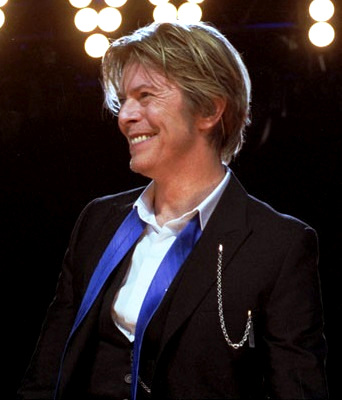
David Bowie (8 January 1947 – 10 January 2016), born David Robert Jones, was an English singer, songwriter, and actor, widely regarded as one of the most influential musicians of the 20th century.
Bowie's music career began in 1962 when he formed his first band. In 1969, his single "Space Oddity" reached the top five in the UK charts for the first time. In 1972, he introduced the androgynous alien rock star persona Ziggy Stardust, ushering in the glam rock era, and the album "The Rise and Fall of Ziggy Stardust and the Spiders from Mars" cemented his stardom. He continually reinvented his style thereafter: in 1975, he shifted to "plastic soul" with "Young Americans," which became a US number-one hit; the Berlin Trilogy (1977–1979) explored electronic and experimental music; and in the 1980s, he achieved commercial peak with "Let's Dance."
Bowie's acting career includes over 30 film and television appearances, such as "The Man Who Fell to Earth," "Merry Christmas, Mr. Lawrence," and "Labyrinth." He was inducted into the Rock and Roll Hall of Fame in 1996. On 10 January 2016, he passed away from liver cancer, just two days after the release of his final album "Blackstar." With record sales exceeding 100 million and six Grammy Awards and four Brit Awards, Bowie is considered one of the most innovative figures in popular culture.
The Ding Fire Day Master is born in the Chou month, out of season. Yet, the Year Pillar Bing Xu, which is a Bi Jian (Peer) storage, and the Hour Pillar Yi Si, with Zheng Yin (Direct Resource) and Yang Blade, provide strong support. The chart features a strong presence of Fire and Earth elements, indicating a self-strong constitution. This means David Bowie was inherently energetic and vibrant, like an unquenchable flame, capable of self-motivation without external validation. His greatest strengths were formidable vitality and resilience, enabling rapid rebirth from adversity; the potential challenge was internal restlessness caused by excessive Fire and Earth dryness, along with a sense of alienation from an overdeveloped ego. The Year Pillar Bing Xu has a deep-rooted Jie Cai (Indirect Peer), and the Hour Branch Si is the position of peak strength. The Day Master is well-rooted and connected. Although seated on the Zheng Guan (Zheng Guan (Direct Officer)) Hai Water which acts as a restraint, the hidden Jia Wood within Hai generates Fire, reversing the control, creating a dynamic of 'introverted yet wild.' This energetic configuration allowed him both deep introspection (via Pian Yin Yi Wood) and flamboyant external expression (via Jie Cai Bing Fire). His life oscillated between 'withdrawal' and 'engagement,' destined for an unconventional path.
The Chou month's hidden Ji Earth Shi Shen (Output Star) emerges through the Heavenly Stem Xin Metal Pian Cai (Indirect Wealth), forming a 'Shi Shen Generating Wealth' structure. However, the Hour Stem Yi Wood Pian Yin (Indirect Resource) also emerges, threatening a 'Pian Yin Seizing Shi Shen' affliction, a pattern that is broken but can be clarified. Shi Shen generating Wealth indicates that talent can be transformed into commercial value. Bowie's music and visual artistry were the ultimate expression of Shi Shen; he packaged avant-garde ideas (Pian Yin) into popular symbols (Shi Shen Generating Wealth), achieving both fame and fortune. The Useful God is Metal as the remedy. Metal can adjust the climate, generate Water, balance the fiery dryness of Fire and Earth, and also control Wood to protect Shi Shen. The Favorable God is Water (Officer and Indirect Officer) to consolidate floating Yang. The Annoying Gods are Fire (Peers) and Wood (Resources), as they further strengthen the constitution, leading to arrogance and brokenness. Bowie's multiple career reinventions (Ziggy Stardust, the Thin White Duke, etc.) were manifestations of the Useful God Metal (the West, metal, transformation), while low periods such as his drug addiction in the mid-to-late 1970s reflected the Annoying Gods Fire and Wood being too strong (Resources representing drugs, illusory comfort).
The core Shi Shen combination is 'Shi Shen Generating Wealth encountering Pian Yin Seizing Shi Shen,' forming a fierce tug-of-war between the release and suppression of talent. Shi Shen (Ji Earth) represents divergent creativity and a hedonistic spirit; Pian Cai (Xin Metal) represents fluid wealth and business acumen. Their mutual generation should be smooth, but the intrusion of Pian Yin (Yi Wood) acts like a cold blade, constantly cutting off the smooth expression of Shi Shen. This explains Bowie's creative 'self-censorship' and compulsive need for 'constant novelty and change'—he had to constantly destroy his old self to allow new ideas to break through. The Year Branch Xu contains hidden Ding Fire Bi Jian (Peer) and Wu Earth Shang Guan (Hurting Officer), mixing with the Month Pillar's Shi Shen and Shang Guan, further intensifying the rebelliousness and impulse for diverse experimentation. This combination shaped his chameleonic character: he could accurately capture popular aesthetics (Shi Shen) while also withdrawing to examine and subvert conventions (Pian Yin). In decision-making, he sometimes acted boldly on intuition (Shang Guan), other times deliberated deeply and revised repeatedly (Pian Yin). Socially, he alternated between closeness and distance, longing for resonance yet harboring deep loneliness.
The Day and Hour clash Si-Hai is the most violent source of turbulence in the chart, accompanied by Yi Ma (Mobility Star), Wang Shen (Death Spirit), and Jie Sha (Calamity Star), indicating a life of frequent migrations and upheavals. The Si-Hai clash is a 'battle of Water and Fire,' symbolizing the intense conflict between inner passion (Si Fire) and external rules (Hai Water). This played out repeatedly as he moved between mainstream and avant-garde, marriage and emotion, settlement and wandering. The Year Pillar Hua Gai (Canopy Star) is present, bestowing deep gifts for philosophy, art, and mysticism, but also adding a solitary nature. Hua Gai gave him an innate sense of detachment, prone to losing himself in his inner spiritual world—the root of the alien, cosmic atmosphere in his music. The Day Pillar Tian Yi Gui Ren (Celestial Noble) appears at Hai, so despite turmoil, he always received unseen help from benefactors. Meanwhile, Jie Sha and Gu Chen (Loneliness Star) co-appear, sealing a destiny of transient relationships, intimate yet seldom lasting. His later choice to live in seclusion in Berlin was a manifestation of Gu Chen's force, while the sudden rise of the 1970s and cross-disciplinary collaborations often had the hand of Tien Yi Gui Ren behind them (e.g., managers, musical partners).
Ding Fire, the light of a candle, is gentle yet firm. Paired with the Chou Earth Shi Shen (Output Star) of the month and the Bing Fire Jie Cai (Indirect Peer) of the year, it forms a personality that appears outwardly mild but internally possesses a prairie-fire momentum. His emotional needs were compound: he longed for acceptance (Ding Fire's affinity) yet needed to maintain a unique distance (Hua Gai, Gu Chen), like a flickering lamp casting ever-changing shadows. The Hour Stem Yi Wood Pian Yin (Indirect Resource) is rooted in Si, reinforcing the unfathomable nature of his thinking, causing him under pressure to tend toward metaphysical speculation and escapism (Pian Yin draining and resolving Guan Sha), while in comfort zones, kindling an exaggerated desire to perform (Jie Cai supporting the self). Ding Fire encountering Hai Water Zheng Guan (Zheng Guan (Direct Officer)) normally provides self-control, but with the Si-Hai clash, this control frequently breaks down, leading to extreme actions. His thought patterns were leaping, metaphorical, perpetually cycling between deconstruction and reconstruction.
The most brilliant potential comes from Shi Shen (Output Star) expressing and Pian Cai (Indirect Wealth) circulating, making his artistic antennae extremely sensitive, able to translate abstract concepts into accessible audio-visual experiences. Shi Shen represents raw, unpolished talent, while Pian Cai endows the instinct to monetize that talent. This combination made him the godfather of Glam Rock not by chance. Pian Yin Yi Wood, though it seizes Shi Shen, is also another talent—it provides powerful introspection and cross-disciplinary integration, giving his work a prophetic depth. In the oscillation of these dual energies, he found a creative rhythm of relentless self-reinvention. His competitive advantage lay in being half a step ahead of his era, wrapping avant-garde cores in glamorous shells.
The core conflict of the chart is 'Pian Yin Seizing Shi Shen' and 'Jie Cai Competing for Wealth,' causing the exercise of talent to often be accompanied by intense self-doubt and competitive pressure. Pian Yin seizing Shi Shen made him fear creative depletion, leading him to use frequent character changes to stimulate output, but this also taxed his body and spirit, creating a vicious cycle. Jie Cai (Bing Fire) meant there were often competitors or people dividing fame and profit around him, making it hard for him to trust fully. The Si-Hai clash triggers a duel between emotion and reason: he craved stable intimate relationships (Zheng Guan, Zheng Cai) but couldn't resist breaking free, resulting in several separations and unions in his love life. His blind spot was an overly idealized self-image (too much Resource), easily indulging in illusory redemption (like drugs) and neglecting reality.
David Bowie's chart is a peculiar construct eternally seeking equilibrium between burning and cooling. With Hua Gai's aloofness, Shi Shen's brilliance, and Pian Yin's uncanniness, he wrote the most magnificent metamorphosis in pop culture history. The Si-Hai clash was his ceaseless engine, driving him across boundaries and away from tranquility. The core theme of his life was 'the infinite possibilities of identity,' and ultimately, after extreme noise, he returned to a quiet inner universe—like fire wrapped in earth, flickering yet never extinguished. He proved through his life that true art is not perfection, but perpetual rebirth.
Zheng Guan and Zheng Yin mutually generate, Yin Star protects the body. This decade is a critical growth period for the Day Master transitioning from adolescence to youth. The Ren Water Zheng Guan (Zheng Guan (Direct Officer)) emerges in the Heavenly Stem, combining with the Day Master's Ding Fire, symbolizing the introduction of external rules and constraints. The Yin Wood Zheng Yin (Direct Resource) serves as the root, representing learning, knowledge, and mentors. Overall, this Da Yun (Major Life Cycle) is a stage of laying foundations and absorbing nourishment. The Day Master is in the early stage of ascent, accumulating ability and reputation through family or educational environment.
Zheng Guan and Zheng Yin mutually generate, the start of academic and career pursuits. The Ren Water Officer Star combines with the Day Master, bringing opportunities and responsibilities, but the Officer Star is countered by Bing Fire Bi Jian (Competitor) and Jie Cai (Wealth Rival) in the Year Stem, suggesting competitive pressure. Yin Wood Zheng Yin generates Fire, strengthening creativity and expression. Corresponds to David Bowie's early musical exploration: forming his first band in 1964, releasing his debut album in 1967 with lukewarm market response. Wealth structure relies on family support and personal effort, income unstable, but laying the foundation for future transformation.
Officer Star brings mentors, Resource Star brings closeness, interpersonal relationships are gentle. The Officer Star combining with the Day Master makes it easy to gain appreciation from elders or authority figures. Yin Wood Resource Star indicates close relationship with mother or female mentors. However, Jie Cai (Wealth Rival) emerging in the Heavenly Stem suggests competition among friends. Corresponds to collaborations and disagreements with peer musicians, such as friendships with George Underwood and others. Reputation begins to emerge but hasn't spread widely.
Excessive Water and Wood, Fire and Earth suppressed. The Ren Water Officer Star controls the Day Master, and Yin Wood consumes Fire, so watch energy expenditure. During adolescence, constitution was somewhat weak, possibly with respiratory or mental stress issues. Emotionally, the Officer Star combining with the body brings anxiety, requiring balance between effort and rest.
Qi Sha and Pian Yin mutually generate, crisis coexists with breakthrough. The Gui Water Qi Sha (Indirect Officer) emerges in the Heavenly Stem, bringing immense pressure and challenges, but Mao Wood Pian Yin (Indirect Resource) transforms the Qi Sha star into a source of creativity. This decade is a period of career explosion and style establishment: Qi Sha brings the impulse to subvert tradition, while Pian Yin bestows unique artistic inspiration. The Day Master undergoes rapid ascent and transformation, experiencing lows before reaching a peak.
Qi Sha attacks the body, Pian Yin transforms Qi Sha, career rebuilt from breakdown. Qi Sha represents competition, aggressiveness, and risk, corresponding to the breakthrough of 'Space Oddity' in 1969, though commercially still tepid. In the early 1970s, the combination of Qi Sha and Pian Yin propelled the creation of the Ziggy Stardust persona, leading to massive success. Pian Yin transforms Qi Sha, turning pressure into artistic innovation; the 1972 album 'The Rise and Fall of Ziggy Stardust' cemented superstar status. Wealth shifted from meager to abundant, but Qi Sha also brought financial volatility and contract disputes.
Qi Sha reveals high-status individuals, Pian Yin leads to isolation, drastic changes in relationships. Qi Sha brings conflicts with authority figures (such as managers), but also introduces key collaborators like guitarist Mick Ronson. Pian Yin governs solitude, causing rifts in the marriage with Angela Bowie. Fame rises rapidly, but private life becomes complicated, with soaring attention from fans and media.
Qi Sha controls the body, Water strong Fire weak, immense physical and mental stress. The Gui Water Qi Sha directly controls Ding Fire, leading to intense work, prone to exhaustion, insomnia, or substance dependence. Emotionally, Pian Yin triggers depressive tendencies; in the mid-1970s, he fell into drug problems. Pay attention to cardiovascular and nervous system health.
Resource star dominates, Shang Guan releases brilliance, a period of adjustment and settlement. Jia Wood Zheng Yin (Direct Resource) emerges in the Heavenly Stem, strengthening learning and introspection. Chen Earth Shang Guan (Indirect Output) is hidden in the branch, indicating strong expressive desires that easily provoke controversy. This cycle marks the Day Master's transition from glam rock to experimental music; career enters an adjustment phase, less aggressive than before, but diversely explorative. Overall a steady but slightly declining transitional stage.
Resource star protects the body, Shang Guan generates wealth, career transformation and diversification. Jia Wood Zheng Yin aids his foray into electronic and ambient music, such as the 1977 Berlin Trilogy ('Low', 'Heroes', 'Lodger'). Shang Guan in the Chen branch makes artistic expression more introspective, though commercial heat cools compared to the early 1970s. Chen Earth is also the storehouse of Shang Guan, indicating changes in collaborative teams; from 1975 to 1976, touring was suspended due to contract issues. Wealth management became conservative, investing in real estate; income shifted from album sales to royalties and performances.
Zheng Yin brings mentors, Shang Guan counters the Officer, delicate interpersonal relationships. Zheng Yin represents new mentors or friends, such as collaboration with Brian Eno. Shang Guan countering the Officer indicates disagreements with record company management, leading to contract termination. In marriage, divorce from Angela Bowie in 1980, followed by a brief relationship with model Cathy Howard. Fame persisted, but media focus shifted to his drug issues.
Wood and Earth clash, Fire and Earth suppressed, watch digestion and emotions. Jia Wood overcomes Chen Earth, and Shang Guan drains the body, prone to gastrointestinal issues and mood swings. After 1976, determination to quit drugs (seen as physical adjustment) was hard. Resource star brings relief, recovery through meditation and art therapy.
Pian Yin and Jie Cai, Fire blazing Earth dry, peak and theatricality. Yi Wood Pian Yin (Indirect Resource) generates Fire, Si Fire Jie Cai (Wealth Rival) assists the Day Master. This cycle is a period of reaching new career heights, but Jie Cai also brings competition and division. Fire is excessively strong, energy extremely abundant, manifesting as an explosion of artistic expression. The Day Master is in an ascending phase, but fatigue begins to appear later.
Pian Yin creative, Jie Cai competes for wealth, career brilliance and division. Yi Wood Pian Yin reinforces his avant-garde experimental spirit; the 1983 album 'Let's Dance' became a global hit, a massive commercial success. Si Fire Jie Cai signifies competition, leading to collaboration and subsequent rupture with guitarist Stevie Ray Vaughan, internal team friction. After 1987's 'Never Let Me Down', he shifted to hard rock, with mixed reviews. Wealth grew rapidly, but Jie Cai caused huge expenditures and investment missteps (such as stock market losses in the late 1980s).
Jie Cai seizes the Officer, complex private life. Si Fire Jie Cai indicates estrangement among siblings or friends, and deterioration with long-time manager Tony Defries. Romantically, marriage to supermodel Iman in 1992, but many prior scandals. Fame reached its peak, but public image seemed fickle due to frequent style changes.
Fire blazing Earth dry, Bing Fire Jie Cai strong, prone to excitement and exhaustion. Si Fire Jie Cai fuels the Fire, bringing abundant energy but easy burnout; heart strain worsened in the late 1980s. Emotionally, Pian Yin leads to anxiety, with drug problems recurring (brief relapse in early 1990s). Watch heart, blood pressure, and addictive tendencies.
Competitors standing firmly, Fire blazes to the sky, peak turns to decline, retreat and adjustment. Bing Wu (Yang Fire Horse) is scorching sun Fire; Bi Jian (Competitor) and Jie Cai are extremely strong, intensifying the Day Master's Ding Fire self-combustion. This cycle is the decade when the Day Master descends from the peak, shifting towards family and personal life. Competition among peers is fierce, but Wu Fire is also the Salary Star, bringing brief reunions. Overall in an adjustment phase, career activity declines, but artistic vision matures.
Bi Jian and Jie Cai seize wealth, career contraction. Jie Cai Bing Fire emerges in the Heavenly Stem, competing with Day Master's Ding Fire for wealth; after the mid-1990s, commercial heat declined, and the 1997 album 'Earthling' tried electronic rock with moderate response. Wu Fire is the Salary Star, after 1999 he founded his own label ISO Records, controlling copyrights. But Bi Jian and Jie Cai are overactive, leading to frequent disagreements in collaborative projects, such as the non-sustained collaboration with Trent Reznor. Wealth mainly from past royalties, cautious investments, with increased family expenses.
Bi Jian represents friends, marriage stable. Wu Fire Bi Jian indicates harmonious relationship with wife Iman, daughter Lexi born in 1996, family focus strengthens. Bi Jian also refers to friends, with increased contact with old friends from earlier days, but fewer new collaborations within the industry. Fame turns legendary, public more nostalgic than focused on new works.
Fire strong without control, high cardiovascular risk. Bing Wu is pure Fire, directly overcoming Metal (Lungs), and excessive Fire consumes Water (Kidneys); special attention to heart health and stroke risk. Emotionally, Bi Jian brings stubbornness and impatience. Cardiac surgery in 2004 served as a warning.
Bi Jian aids the body, Shi Shen releases brilliance, comeback and coda. Ding Fire Bi Jian (Competitor) assists, Wei Earth Shi Shen (Direct Output) drains and expresses; this cycle is the final artistic bloom in the Day Master's later years. Wei Earth is Shi Shen, representing expression, creativity, and enjoyment; Bi Jian strengthens self-will. The Day Master's state is relatively calm, but Shi Shen controls the Officer and Qi Sha, career drive weakens, more focused on personal interests.
Shi Shen generates wealth, comeback surprise. Ding Fire Bi Jian strengthens sustained creativity; after a decade, the 2013 album 'The Next Day' released to enthusiastic market response. Wei Earth Shi Shen generates Indirect Wealth (Xin Metal), profiting from digital releases and album reissues. The 2016 album 'Blackstar', as his final work, achieved both artistic and commercial success. But Shi Shen also symbolizes spontaneity, career planning weakened, more inspiration-driven. Wealth stable, with substantial royalty income.
Bi Jian as companion, family harmony. Ding Fire Bi Jian signifies intimate relations with wife and daughter; after 2010 reduced public appearances, enjoying family life. Wei Earth Shi Shen leads to re-collaboration with old friends (such as painters, musicians) in a pleasant atmosphere. Fame reached peak acclaim, worldwide mourning upon his passing in 2016.
Ding Fire meets Wei, excessive Earth dims Fire, energy decline. Wei Earth drains Fire; after 2014 diagnosed with liver cancer, health deteriorated. Emotionally, Shi Shen brings optimism, facing treatment positively. But excessive Earth overcomes Water (Kidneys), edema, increased renal burden. Ultimately passed away on January 10, 2016; Wei Earth is a storehouse, symbolizing ending.
Shang Guan generates wealth, Metal and Water consume the body, the final movement of life. Entering the Wu Shen (Earth Monkey) cycle in January 2016, but the Shen branch alone clashes with the natal chart. Wu Earth Shang Guan (Indirect Output) drains Fire, Shen Metal Zheng Cai (Direct Wealth) consumes the body, and Shen harms Hai (Day Branch), Shen combines with Si (Hour Branch), extremely turbulent energy. This cycle should have begun a new decade, but the Day Master's life came to an abrupt halt, barely through the first step.
Shang Guan generates wealth, posthumous brilliance. Wu Earth Shang Guan generates Shen Metal Zheng Cai, corresponding to the 'Blackstar' album released on his birthday, January 8, 2016; commercial success, critical acclaim. But Shang Guan counters the Officer, and Shen Metal clashes with Yin Wood Resource Star, symbolizing the collapse of traditional structures and the end of life. Wealth not enjoyed, legacy left to family.
Shang Guan meets the Officer, Shen harms Hai, relationships damaged. Wu Earth Shang Guan overcomes the Officer Star (Ren Water in Hai within the natal chart), sparking public discourse on mortality. Shen harming Hai brings inner loneliness, but accompanied by family. Fame ascended to superstar status, global mourning after death.
Metal and Water consume Fire, in imminent danger. Shen Metal consumes Fire, Zheng Cai aggravates depletion; Shen Si combination forms Water, worsening kidney failure. Wu Earth Shang Guan, cancer cells spread. Actually passed away on January 10, 2016, in line with the ominous sign at the beginning of a new Da Yun.
Guan Lu Palace (Career Palace) in Xin Chou, with Tian Fu (Treasury Star) at Miao (exalted), in the Nourishing (Yang) phase of the Life Cycle. Tian Fu is the storage star; when exalted, it indicates a large and stable career structure, emphasizing management and accumulation. The Yang phase represents the need for slow nurturing in the early stages before achieving stability later on. As a musician, Bowie's career was not a straight upward climb but featured multiple transformations. The stable energy of Tian Fu at Miao is reflected in his long-term management of music rights, companies, and his team, rather than short-term bursts of popularity. He founded the label Bewlay Bros, built a personal brand, and saw his commercial value increase in his later years—all bearing the imprint of Tian Fu's 'consolidation' nature.
Guan Lu Palace has no Four Transformations, but the Hua Quan transformation produced by Zi Wei (Emperor Star) and Tan Lang (Ambition Star) in the Qian Yi Palace (Travel Palace) forms a Trigon energy with Tian Xiang (Minister Star) in the Cai Bo Palace (Wealth Palace). Hua Quan strengthens his authority within the industry, while Tian Xiang provides business coordination ability. Bowie organized his own music festival in the 1990s (unsuccessful) and ventured into digital distribution platforms in the 2000s (such as UltraStar)—both attempts to expand beyond Tian Fu's 'building a storehouse.' Overall, with Hua Quan in the Travel Palace, his career peaks were all achieved in foreign places (USA, Berlin, etc.), while his local (UK) career was relatively unremarkable.
The stable structure of Tian Fu at Miao in Guan Lu Palace reflects Bowie's tight control over music copyrights. He bought out his own master tapes in the 1970s and founded an Internet service company (BowieNet) in the 1990s; although not all were commercial successes, his forward-looking approach to intellectual property is a Tian Fu attribute. The Yang phase corresponds to the decade of obscurity in the 1960s—he only first charted at age 28 in 1969, with a long early period as a poor underground band. At the same time, Tian Fu at Miao explains why, after commercial success in the 1980s, he did not overwork but maintained a pace of one album every 4-5 years.
Servants Palace in Gengyin, Tian Ji Hua Quan (Tian Ji gains Authority Transformation), Tai Yin (Moon) flourishing, Chang Sheng position (Growth Phase). Tian Ji Hua Quan in the Servants Palace indicates that the native has a think-tank-like team, and can control partnerships through strategic planning; Tai Yin flourishing suggests that partners are mostly female or have meticulous talents. The Chang Sheng position symbolizes a continuous influx of new connections. Bowie's management team, record company executives, and artistic collaborators often possessed high creativity (Tian Ji Hua Quan), and he was adept at dismissing old teams (e.g., disbanding MainMan in 1976), reflecting the "control" trait of Hua Quan (Authority Transformation).
Tian Ji Hua Quan in the Servants Palace enhances the native's dominance over the partnership network. Hua Quan transforms Tian Ji from "thinking" to "decision-making." Bowie's break with manager Tony Defries in the mid-1970s, followed by personally managing his career and forming a new team, exemplifies the intervention of Hua Quan. Tai Yin flourishing hints at the importance of women in his circle, such as the collaborations with female producers and backup singers during the release of Let's Dance in the 1980s.
The Servants Palace also reflects the loyalty and conflicts of his long-term collaborators. Guitarist Mick Ronson was deeply involved from 1970 to 1974, then left when Bowie transformed solo (the exclusivity of Hua Quan). Similar patterns occurred with bassist Trevor Bolder and others in the 1980s. However, Tai Yin flourishing made his collaborations with women more enduring, such as the over-20-year partnership with keyboardist Mike Garson later on. The Chang Sheng position ensures his circle always has newcomers: the graphic designer George Underwood (who later painted album covers) met in the 1960s, Brian Eno in the 1970s, Nine Inch Nails members in the 1990s—every decade brings a new core team.
Tian Zhai Palace (Property Palace) in Geng Zi, with Tai Yang (Sun Star) in Xian (declining) state, in the Embryo (Tai) phase of the Life Cycle. The Sun declining in Tian Zhai Palace indicates an unstable property foundation, or a lack of stability in the externally displayed 'home.' Bowie moved many times: London in the 1970s, Berlin in 1976, New York in the 1980s, Sydney, Australia in the 1990s, Switzerland in the 2000s—never having a long-term residence. The Tai phase indicates that these houses were more like temporary 'incubators' rather than a final place of rest.
Tian Zhai Palace has no Four Transformations, but the transformation of Wen Chang (Literary Star) into Ke in the Zi Nv Palace (Children Palace) and Tian Tong transforming into Lu in the Fu Mu Palace form an indirect influence of 'cultural heritage.' Both Lu and Ke are in the six relative palaces related to family, suggesting that although his property situation was unstable, he achieved long-term wealth storage through assets (such as music copyrights). His estate after death exceeded $100 million (primarily IP), rather than real estate. The Sun in Xian also hints at successful property purchases in sunny regions (such as California and Australia), but they were eventually sold—in 2022, his New York penthouse was sold as a collectible.
The key impact of Tai Yang in Xian and the Tai phase in Tian Zhai Palace is the composite function of 'home as studio.' During his time in Berlin, Bowie rented apartments where his neighbors were musicians; his New York home had a recording studio. The Sun in Xian made his approach to home more performative than sheltering—his mansions were often reported by the media for their unique designs (such as the 'Pierre Versailles' style in London), but the actual time he spent living there was limited. After marriage, he settled in New York with Iman but still frequently went on tour or relocated to other cities. Tian Zhai Palace also reflects his lack of a 'sense of belonging,' to the extent that after his death in 2016, his ashes were scattered in Bali—avoiding a typical family burial.
Fu De Palace (Inner Virtue/Spirituality) in Ji Hai, with Wu Qu (Finance Star) at Ping level, Po Jun (Reform Star) at Ping level, You Bi (Assistant Star), and Tian Kui (Noble Star), in the Exhaustion (Jue) phase of the Life Cycle. Wu Qu is the Wealth Star, and Po Jun is the Reform Star. Both in Ping state represent a spiritual world torn between pragmatism and reformist tendencies; You Bi and Tian Kui are auspicious stars, providing supportive power and a source of inspiration. The Jue phase is the stage of the weakest emotional energy, and the native easily falls into emptiness or depression. Bowie's creative cycles were often accompanied by mental breakdowns or outbursts after drug suppression—for example, when he retreated to Berlin in 1976, he claimed to be 'lonely to the point of madness'; in the late 1980s, he indulged in painting and Buddhism.
Fu De Palace has no Four Transformations, but the 'desire-oriented transformation' of Tan Lang (Ambition Star) in the Qian Yi Palace (Travel Palace) and the 'joy-oriented transformation' of Tian Tong (Peace Star) transforming into Lu in the Fu Mu Palace (Parents Palace) create an alternation of 'indulgence and transcendence' within the native. Bowie openly admitted to extraordinary drug use (cocaine, LSD, etc.) from the late 1960s to the early 1970s, which was precisely the sensory amplification triggered by Tan Lang in the Travel Palace; while Tian Tong transforming into Lu in the Parents Palace intervened in his middle age, allowing him to find peace through yoga, vegetarianism, and family life. The Jue phase also contributed to his philosophical attitude towards death in his later years; the creation of the album Blackstar was described by him as 'a celebration of facing the end.'
The combination of Wu Qu and Po Jun in Ping state plus the Jue phase in Fu De Palace is reflected in Bowie's spiritual pursuit of 'adventure.' He experimented not only in music but also in acting (the film The Man Who Fell to Earth), painting (holding solo exhibitions), and theater (starring in Baal). You Bi and Tian Kui brought him industry recognition in these fields (e.g., in the art world). The Jue phase meant he periodically needed 'shock therapy' to reboot his spiritual drive—the earliest example being when he 'killed off' Ziggy Stardust in 1973, and later disbanding Tin Machine at the end of the 1980s—both external manifestations of Po Jun's spirit.
Parents Palace (Wu-Xu), Tian Tong (Heavenly Harmony) in neutral phase with Hua Lu (Blessing Transformation), Longevity Phase in Tomb. Tian Tong Hua Lu indicates gentle and blessed parents, but Hua Lu in the Tomb phase implies that while material or emotional support is given, there may be a sense of detachment or delay. Bowie's father (John Jones) was a welfare home administrator, introverted; his mother (Margaret) had mental health issues. The 'blessing' of Tian Tong Hua Lu is reflected in how his parents, though ordinary, always supported his musical dreams (e.g., his father funded his first saxophone). The Tomb phase corresponds to his father's death when Bowie was 29, and the estranged relationship with his mother in her later years.
Tian Tong Hua Lu in the Parents Palace indicates that the parents bring blessing and inner security to the native. The benefit of Hua Lu is more practical; Bowie's father's 'non-opposition' attitude, rather than direct encouragement, fits the plain depiction of Tian Tong Hua Lu. The Tomb phase makes this blessing partially inaccessible in early life; after fame, Bowie often mentioned his father's silent pride but never received explicit recognition. In the 1990s, his mother suffered from dementia, and Bowie rarely visited, so Hua Lu in Tomb also suggests 'blessing accumulated but not flowing'.
The Tian Tong Hua Lu in Tomb phase in the Parents Palace, as noted by biographers, is a key clue to Bowie's emotional patterns throughout life. His early creation of the Ziggy persona was essentially a fictional male father substitute—powerful and perfect. His parenting style with his son Duncan, as both father and friend, was partly compensation for his own father. The Tomb phase also allowed him to accept his parents' imperfections; he rarely discussed family in interviews but admitted the oppressive atmosphere at home (silent father, irritable mother). The blessing power of Hua Lu ultimately transferred to the Children's Palace in the form of 'he became a better father'.
Self Palace (Ding-You), Tian Yue (Evening Mentor Star) alone, Longevity Phase in Death. Tian Yue is the Evening Mentor Star, governing noble assistance and indirect help. The Death phase weakens the energy for proactive creation, often requiring the native to use others' platforms or the zeitgeist to manifest. Tian Yue does not govern pioneering, but 'being seen' opportunities—David Bowie changed his name and image many times early on, essentially seeking a symbol recognizable to the public. This is the trait of Tian Yue in the Self Palace: rising through the packaging by benefactors (such as managers or record companies). The Death phase suggests a slow start in early luck, until he was truly recognized in 1969 with 'Space Oddity'.
Self Palace has no Four Transformations activation, but the Relocation Palace's Zi Wei and Tan Lang with Hua Quan (Authority Transformation) casts an indirect assistance to the Self Palace, forming the 'Zi Wei Hua Quan' effect. Hua Quan endows an innate sense of authority and control. Even without self-transformation in the Self Palace, the power from the opposite palace allows the native to display leadership at the right time. In the 1970s, Bowie dominated the music scene with his Ziggy Stardust persona, exactly the 'stage king' aura projected from Hua Quan in the Relocation Palace onto the Self Palace.
The 'indirect benefactor' trait of Tian Yue in the Self Palace runs through Bowie's life: after the failure of his first album in 1967, in 1969 his single 'Space Oddity' was picked by the BBC as background music for the moon landing report and became a hit—a classic case of Tian Yue's 'borrowing power to rise.' In the early 1970s, he met manager Tony Defries, who helped him sign the MainMan contract and promoted the global popularity of the Ziggy image. The Death phase of Tian Yue also led him to 'kill' old personas and reinvent himself every few years, proving that this palace does not provide lasting stable energy but requires new opportunities periodically.
Travel Palace in Xinmao, Zi Wei (Emperor Star) flourishing, Tan Lang (Desire Star) advantageous, Zuo Fu (Left Assistant), Di Jie (Earth Calamity), Chang Sheng position at Mu Yu (Bath). Zi Wei as the Emperor Star flourishing in the Travel Palace signifies gaining authority and fame abroad; Tan Lang advantageous enhances networking and talent display; Zuo Fu adds support, while Di Jie brings unexpected paths that break conventions. This is the most prominent palace in the natal chart—as a Brit expanding his career in the US and globally, Bowie perfectly aligns with the Zi Wei Tan Lang "cross-boundary king" configuration. The Mu Yu position corresponds to his performative personality of constantly changing personas (such as Ziggy, Aladdin Sane, Thin White Duke).
The Travel Palace has no Four Transformations, but in the natal Four Transformations, Tian Ji Hua Quan and Tai Yin Hua Quan both in the Servants Palace form a "dual authority" support. Hua Quan in the triangulated position of the Travel Palace (the Servants Palace) means the native controls situations in foreign lands through teams and partners. Bowie's Spiders from Mars band in the 1970s, collaborations with Nile Rodgers in the 1980s, and with Brian Eno and others in the 1990s are all examples of Hua Quan manifesting through the Servants Palace into the Travel Palace.
The combination of Zi Wei, Tan Lang, and Zuo Fu in the Travel Palace most directly manifests in Bowie's success in the American market. His first US tour in 1972 drew sparse audiences, but by 1973, returning with the album Ziggy Stardust, he drew huge crowds—the "second wave of support" represented by Zuo Fu became evident at that time. Di Jie manifests in his unexpected transformations after each surge in popularity: abruptly abandoning glam rock in 1975, moving to Berlin to create somber experimental music—precisely Di Jie's path of "destruction and rebuilding." The Mu Yu position enabled continuous "rebirth": Ziggy in 1972, Thin White Duke in 1976, electronic musician in the 1990s—each persona was born in the new environment catalyzed by the Travel Palace.
Health Palace in Renchen, Ju Men (Great Orator Star) sunken, Tuo Luo (Vulture Star) temple, Chang Sheng position at Guan Dai (Maturity). Ju Men governs disputes and hidden illnesses; when sunken, it can indicate digestive, cardiovascular/cerebrovascular, or mental health issues. Tuo Luo temple represents chronic diseases and lingering ailments. Bowie's death from liver cancer (with surgery in 2004) aligns with Ju Men's "hidden illness" nature, and Tuo Luo's chronicity is seen in his long-term battle after a heart attack surgery in 2004. The Guan Dai position suggests illnesses gradually manifest after middle age.
The Health Palace has no Four Transformations, but Wen Chang Hua Ke (Wen Chang transforming into Renown) in the Children Palace and Tian Tong Hua Lu (Tian Tong transforming into Wealth) in the Parents Palace form a "blessed recovery" signal. The grace of Hua Lu and the healing imagery of Hua Ke explain how he recovered from heart surgery in 2004 and continued to create the album The Next Day—medical care and family support (Iman) provided crucial strength. Ju Men sunken corresponds to the secrecy of his health: when he disclosed his liver cancer in 2016, he revealed he had been ill for 18 months without the outside world detecting it.
The combination of Tuo Luo temple and Ju Men sunken in the Health Palace manifested in Bowie's career as a "morbid creativity"—he produced peak works during times of physical distress, such as the drug-addicted Berlin period of 1976 creating Low and Heroes. The persistent mental despondency of the 1980s (triggered by Ju Men sunken) is also reflected in his work. The release of Blackstar a week before his death in 2016, with its album cover and lyrics full of death metaphors, transformed Tuo Luo's "delay" into the ultimate artistic metaphor.
Wealth Palace (Gui Si, the Body Palace), Tian Xiang (Minister) in favorable position, Lu Cun (Wealth Accumulation Star), Huo Xing (Fire Star) in favorable position, at the Development Stage of Official. Tian Xiang, as the Seal Star, governs preservation and coordination; Lu Cun is the Treasury Star, providing a stable wealth foundation; Huo Xing brings sudden impulsive spending or explosive income. With the Body Palace located here, it indicates that the individual's primary life focus is achieving financial security through career. Bowie's music career peaked in the mid-1970s with huge album sales and touring income, but Huo Xing also led to multiple million-dollar losses due to investment mistakes (such as the "Bowie Bonds" in the 1980s and digital music platform ventures in the 1990s).
There are no Four Transformations in this palace, but the Hua Quan (Transformation of Authority) of Zi Wei (Emperor) and Tan Lang (Desire) in the Migration Palace, along with the "amplifying effect" of Zuo Fu (Left Assistant), indirectly impacts wealth. Hua Quan in the Migration Palace symbolizes gaining dominance over wealth through distant or cross-cultural markets. In the 1980s, Bowie entered the mainstream commercial market, and the global blockbuster release of "Let's Dance" perfectly illustrates the wealth-accumulating effect of Hua Quan in the Migration Palace mobilizing Lu Cun in the Wealth Palace. Huo Xing's favorable placement also spurred his courage to venture into new fields, such as pioneering digital music by releasing the online single "Telling Lies" in 1997.
The combination of Tian Xiang in favorable position and Lu Cun in the Wealth Palace shows that Bowie was not entirely insensitive to finances. In the 1970s, he founded his own publishing company, Bewlay Bros, to control copyrights, and by his later years his music catalog's value exceeded a billion dollars. Huo Xing's favorable placement explains why he attempted the "Bowie Bonds" (a financial product backed by future concert revenues) in the late 1980s—a bold move despite its pitfalls. In 2022, his estate sold the entire music catalog for about 250 million dollars, almost maximizing returns—this perfectly demonstrates the temporal balance between Lu Cun's "wealth preservation" and Huo Xing's "risk-taking."
Children Palace (Jia Wu), Tian Liang (Blessing Star) strong, Wen Chang (Literary Star) in weak position transforming to Hua Ke (Fame), Qing Yang (Confrontation Star) in weak position, at the Development Stage of Prosperity. Tian Liang, as the Shelter Star, when strong provides devoted care for children; Wen Chang Hua Ke but in a weak position indicates children's achievements in arts/academics but with an unstable foundation; Qing Yang in a weak position hints at accidental harm or strained relationships during the child's growth. Bowie had only one son, Duncan Jones (originally named Zowie Bowie), who later became a film director—Wen Chang Hua Ke confirming his directorial identity, while Qing Yang in weak position corresponds to Duncan's estrangement from Bowie during his youth due to his parents' divorce, later reconciled.
Wen Chang Hua Ke in the Children Palace indicates the child gains fame in cultural fields. Hua Ke represents explicit recognition, and Duncan Jones's sci-fi films such as "Moon" received critical acclaim, matching the image of Wen Chang Hua Ke. Meanwhile, Tian Liang strong provides stable protective energy in the Children Palace; despite his busy career, Bowie consistently supported his son financially and educationally, sending him to boarding school and supporting his film dream.
The Children Palace at the Prosperity stage of development superficially suggests strong affinity with children, but Qing Yang in weak position within the palace actually reflects the tense relationship between Bowie and his son in the 1980s. Duncan once publicly stated his father was absent during his childhood and even changed his name to shed the public label of "Zowie Bowie." It wasn't until the 1990s, when Bowie settled in New York and started a new family with Iman, that the father-son relationship was repaired. Tian Liang's strong ability to "resolve crises" is manifested here—ultimately, family bonds landed smoothly. The Children Palace also mirrors Bowie's mentoring of young musicians (such as nurturing Trent Reznor), with Tian Liang's "teacher" quality making him eager to influence the next generation as a mentor.
Siblings Palace (Bing-Shen), Wen Qu (Literary Talent) in its favorable phase, Tian Ma (Mobility Star) co-located, Longevity Phase in Illness. Wen Qu represents artistic talent, Tian Ma governs travel and movement. Wen Qu in its favorable phase enhances artistic expression, while Tian Ma brings fluidity and openness to sibling/friend relationships. The Illness phase suggests that siblings or close friends have weaker energy in the native's life, or that they are often apart. Bowie had a half-brother Terry, who suffered from schizophrenia. Terry deeply influenced Bowie in his early years, but was later long-term isolated, exactly corresponding to the 'Illness' phase.
Siblings Palace has no Four Transformations, but Wen Qu in its favorable phase itself has the tendency to manifest talent. Wen Qu belongs to Water, governing wisdom and communication. In the Siblings Palace, it represents that the native received artistic inspiration from siblings or friends. Terry once introduced Bowie to rock music and Beat literature, directly influencing his early creative style, which is a manifestation of Wen Qu in the Siblings Palace.
The combination of Tian Ma and Wen Qu in the Siblings Palace also reflects Bowie's frequent moves and changes of musical groups in his early years. In the 1960s, he joined several bands (such as The Konrads, The King Bees), each time leaving due to disagreements or the pursuit of new social circles—exactly the 'moving' attitude of Tian Ma. In the 1980s, his collaboration with Nile Rodgers on the album 'Let's Dance' brought him to commercial peak, with collaborators expanding from Europe and America to Japan (Ryuichi Sakamoto), all fitting the cross-border connection trait of Tian Ma. The Illness phase in the Siblings Palace corresponds to his relationship with Terry: Terry was admitted to a psychiatric hospital in the 1970s, and Bowie rarely visited, harboring a lifelong sense of guilt.
Spouse Palace (Yi Wei), Lian Zhen (Virtuous Star) in favorable position transforming to Hua Ji (Hardship), Qi Sha (Indirect Officer; technically: Qi Sha (Indirect Officer)) strong, flanked by Di Kong (Void Star) and Ling Xing (Agitation Star). The combination of Lian Zhen and Qi Sha is the most emotionally intense type among the "Sha Po Lang" star grouping; the strong Qi Sha bestows decisiveness and courage to separate, while Lian Zhen Hua Ji brings a shadow of repression, guilt, or betrayal to romantic relationships. Di Kong and Ling Xing exacerbate the gap between ideals and reality, leading to sudden estrangements or crises in romantic relationships. Bowie's two marriages (to Angie Bowie and Iman) both exhibited intense drama: the first was marked by marital separation and chaotic private life, while the second was complementary and stable but still experienced tensions from long separations due to his career.
Lian Zhen Hua Ji in the Spouse Palace governs emotional "imprisonment" and "self-destruction." Hua Ji causes the restraining power of Lian Zhen to lose control, making the individual both desire and fear emotional bonding in intimate relationships. Bowie's marriage to Angie was described as an "open relationship" where both had other partners, but it ended in a bitter divorce after Angie publicly revealed private matters—exactly the trust breakdown and public scandal brought by Lian Zhen Hua Ji. Di Kong reinforces the emptiness of "being together in form but already separated in spirit."
The Spouse Palace also reflects Bowie's exploration of sexual orientation. He publicly acknowledged bisexuality and had affairs with several men in the 1970s, including guitarist Mick Ronson. The Lian Zhen and Qi Sha in the Wei Palace (Wei as the marriage palace) combines Qi Sha's impulsiveness with Lian Zhen's aesthetic, forming an "experimental" emotional pattern. Ling Xing exacerbates arguments and sudden breakups; his divorce proceedings with Angie in the mid-1970s lasted several years and were widely reported by the media. His relationship with Iman (married in 1992) demonstrates another possibility of Lian Zhen Hua Ji: finding a partner capable of bearing the negative energy of Hua Ji, and instead maintaining the relationship with formal loyalty (never disclosing negativity publicly).
Generate your personal chart in under a minute. Sign up free and get 30 credits — enough for two or more AI readings. No credit card.
Generate my free BaZi chartPlease sign in to join the discussion
Sign In