Year
Ren
Zi
Pian Yin
Zheng Yin
Hidden Stems
Gui (Zheng)
- Star Luck
- Mu Yu
- Sitting Branch
- Di Wang
- Void
- Yin-Mao
- Na Yin (Elemental Sound)
- Sang Zhe Mu
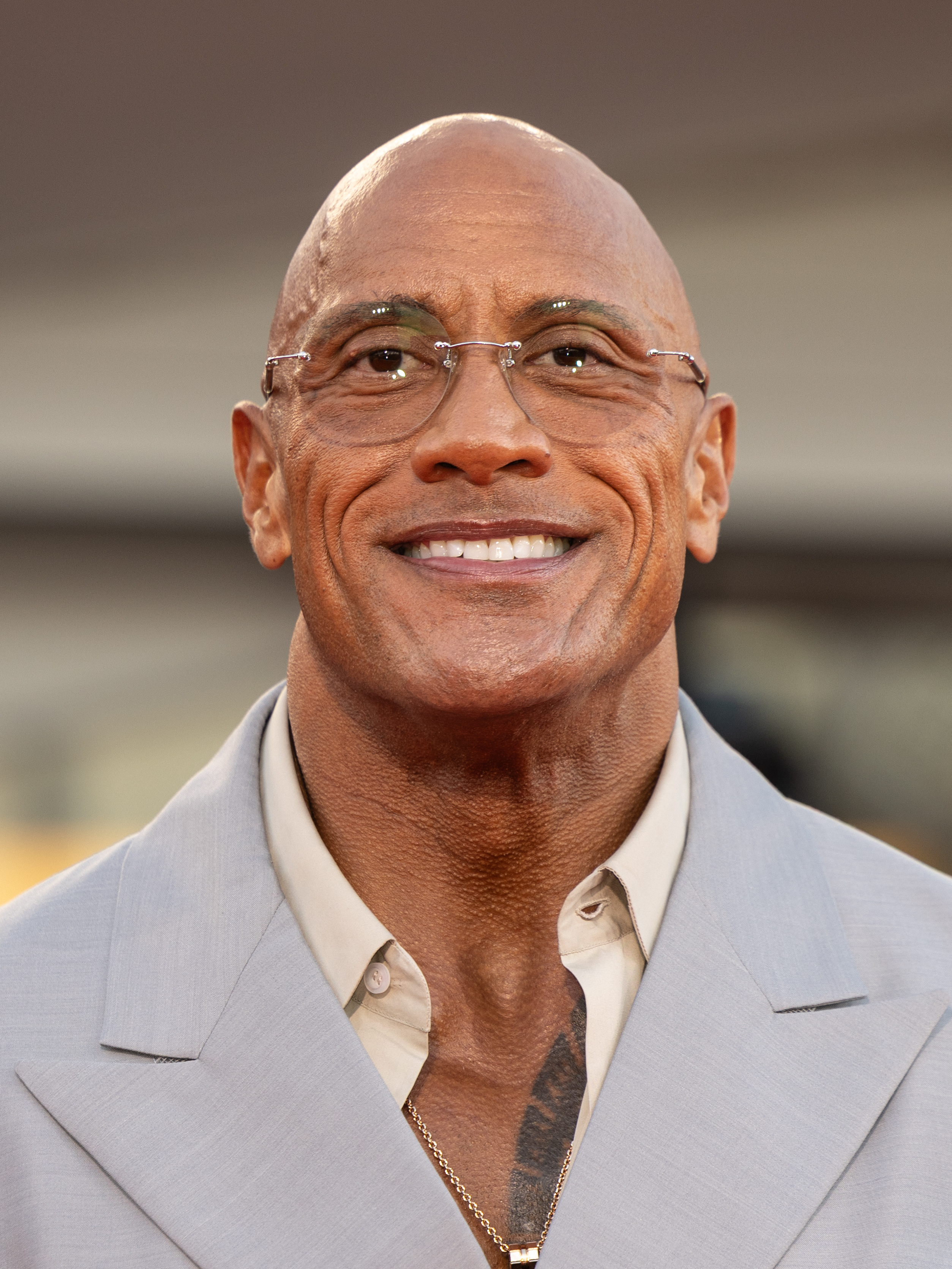
Dwayne Douglas Johnson, stage name “The Rock,” is one of the world’s most influential American actors, producers, and professional wrestlers. Born into a wrestling family, he has Samoan and African-American heritage. Johnson’s career began in American football: he played for the University of Miami and won the 1991 national championship, but went undrafted in the 1995 NFL Draft, and a brief attempt in the Canadian Football League (CFL) also ended unsuccessfully. That setback prompted him to pivot to the family profession—professional wrestling.
In 1996, Johnson signed with WWF (now WWE), debuting with a clean-cut persona as “Rocky Maivia,” but he was rejected by the audience. In 1997, he reinvented himself as a heel and adopted the name “The Rock.” With magnetic mic work and strong performance instincts, he rose rapidly to become a central figure of WWE’s Attitude Era. He won 10 world championships and is widely regarded as one of the greatest professional wrestlers of all time. In 2004, at the height of his wrestling career, Johnson chose to step away from the ring to focus fully on Hollywood.
In film and television, Johnson has demonstrated exceptional box-office appeal. From a supporting role in The Mummy Returns to leading The Scorpion King, he steadily established himself as an action star. He joined the Fast & Furious franchise as Luke Hobbs, helping it become one of the highest-grossing film franchises worldwide. He also starred in the Jumanji series, Skyscraper, and the DC superhero film Black Adam. To date, the combined global box office of his films has exceeded USD 11.4 billion.
Beyond acting and wrestling, Johnson has also built a strong presence in business. He is a co-owner of the United Football League (UFL), a board member of TKO Group Holdings, and a co-founder of Seven Bucks Productions. Although he was arrested multiple times as a teenager due to criminal incidents, he reshaped his life through sports and professional perseverance. He has been named by Time magazine as one of the world’s most influential people on multiple occasions, and is widely seen as a successful model of crossing from sports into business and entertainment.
The Day Master is Jia Wood (Yang Wood), born in the Chen month, seated on Wu Fire, with the Year Pillar Ren-Zi bringing an immense Water tide. This creates a dynamic tension between “excess Water causing Wood to drift” and “Wood-Fire illumination.”
Jia Wood is like a towering tree. Born in late spring (the third lunar month), Earth qi is in season; yet the Year Pillar Ren-Zi is like an ocean, powerfully supporting the Day Master. This tree is deeply rooted and receives a strong infusion of ancestral and family momentum (the Year Pillar often reflects lineage). Such a configuration suggests exceptional resilience and stress tolerance, and it often gives others an immediate impression of strength, steadiness, and presence. However, overly abundant Water also points to a more unsettled early environment and a sense of drifting. Before the tree becomes a pillar, it must be tempered by currents and repeated wash-throughs—hinting that early life may not feel stable and may involve frequent family moves.
The chart’s core circulation emphasizes Shang Guan (Hurting Officer) releasing brilliance and Pian Yin (Indirect Resource) transforming Qi Sha / Pian Guan (Indirect Officer). Fire and Earth are favored to temper Water and warm the chart; additional Metal and Water tend to increase coldness and dampness.
Although the chart’s strong Water (Resource stars) can signify support, protection, and access to resources, for Wood at the end of spring, too much Water can become counterproductive—like roots staying overly saturated. Therefore, the Wu Fire in the Day Branch, as Shang Guan (Hurting Officer), becomes the chart’s pivot—its “useful element.” Fire represents visible talent, performance drive, and the release of passion. For the native, this suggests life flows best when he channels surplus inner force through “Fire” by committing to high-intensity, performance-facing arenas (such as professional wrestling or entertainment). Unfavorable influences here lean toward Metal and Water: a purely conventional path, or tightly regimented roles under strict control (Guan Sha, Officer/Authority dynamics), may constrain his nature and increase inner pressure—potentially showing up as low mood or career friction.
The Earthly Branches form a classic Zi–Wu clash, a “Water–Fire confrontation,” and the hallmark of “Shang Guan paired with Yin (Resource).”
Zi Water in the Year Branch, as Zheng Yin (Direct Resource), points to traditional inheritance, family imprinting, and the authority of elders. Wu Fire in the Day Branch, as Shang Guan (Hurting Officer), reflects rebellion, innovation, and self-expression. This strong clash shapes a high-tension personality baseline: he carries the weighty honor of a family wrestling lineage (Yin/Resource), yet intensely wants to break from tradition and establish a personal brand (Output star). In life trajectory, this often appears not as obediently inheriting the mantle, but as reshaping the legacy through disruptive reinvention (from a setback in football, to WWE, and then to Hollywood). The clash brings turbulence, but also explosive momentum.
The chart carries Jiang Xing (Command Star), Hua Gai (Solitary/Contemplative Star), and Hong Yan Sha (Romance/Charm Star). The branches also form a Zi–Chen half-combination into a Water tendency that counterbalances the Zi–Wu clash.
With Jiang Xing (Command Star) present, he is naturally equipped with a leading presence—whether in the ring or on set, he tends to be the undeniable center (The People’s Champ). Hong Yan Sha (Romance/Charm Star) adds strong audience appeal and a distinctive sensual charisma, allowing warmth and approachability beyond a tough-guy image. Hua Gai (Solitary/Contemplative Star) suggests that beneath the public excitement, there is also an inward, reflective, and sometimes lonely dimension—resonating with his openly discussed experiences with depression. The Zi–Wu clash is not only a Water–Fire contest; it can also symbolize leaving one’s hometown comfort zone. Turning points are often activated when he steps away from familiar surroundings and grows through ongoing movement and friction.
Jia Wood (Yang Wood) Day Master: straightforward and benevolent in essence, seated in a challenged position yet receiving support—while carrying an inner blaze of Ding Fire as Shang Guan (Hurting Officer).
Jia Wood is a towering tree: upright, stubborn, unwilling to submit, with a powerful drive to grow upward. Even when setbacks strike (such as an early football dream ending), Jia Wood’s instinct is to keep reaching for light and continue growing. The Wu Fire beneath him is his internal engine, describing a psyche that may appear mountain-steady on the outside (Jia Wood), yet inwardly runs hot with passion—and at times impatience and a desire to be seen (Wu Fire). Under pressure, he tends to advance rather than retreat. Emotionally, he craves attention and recognition, like a tree seeking sunlight.
The chart leans toward “Wood-Fire illumination,” with a commanding Shang Guan (Hurting Officer) presence—strong indicators for top-tier performance, reputation, and visibility.
In classical theory, Wood generating Fire and shining outward is called “Wood-Fire illumination,” associated with eloquence, fame, and artistic attainment. His greatest gift is not merely physical power (though strong Wood often correlates with a large frame), but the ability to convert physicality into highly watchable “performance” (Fire). Shang Guan talent is outward-facing and highly contagious—helping explain how he successfully transitioned from a straightforward athlete into one of the world’s most bankable entertainment superstars. In arenas that demand improvisation, crowd emotional management, and personal charisma, he holds an exceptional competitive edge.
A tug-of-war between “heavy Yin (Resource) with a strong self” and “Output stars releasing brilliance,” with the Zi–Wu clash amplifying emotional oscillation.
The core friction is that the Year Pillar’s dense Water (Yin/Resource) seeks to dampen the Day Branch’s Fire (Output stars: Shi Shen / Shang Guan). Yin (Resource) can represent the weight of the past, family expectations, and one’s inner need for safety; Output stars represent self-breakthrough. This conflict can recur throughout life: remain within the traditional wrestling identity (Resource imprint), or become a mass-audience entertainment star (Output expression)? Psychologically, Water–Fire clash patterns often correlate with mood volatility; there may be sharp swings between high confidence and self-doubt. While uncomfortable, this tension can also become the fuel for creativity and compelling character work.
Looking at Dwayne Johnson’s chart as a whole, it resembles a great tree rooted in deep waters (family foundation) that must “burn” with self-driven effort (personal ambition) to become truly seasoned timber. His trajectory strongly echoes the idea of moving forward against the current: momentum must be maintained or it slips. The Zi–Wu clash breaks equilibrium and repeatedly pushes cross-domain reinvention; Wood-Fire illumination lights the path ahead and supports global-icon status. At its core, his achievement is the successful conversion of the family-inherited, weighty Water force into a bright, personal Fire—an impressive transformation of energy.
Wood and Fire shine through; Jie Cai (Peer Rivalry) adds momentum; the Yi Ma (Mobility Star) is in motion, indicating frequent movement.This decade marks the first ignition of the native’s life force. The Heavenly Stem’s Jie Cai points to peers and a competitive environment, while the Earthly Branch’s Shi Shen (Output Star; “Eating God”) signifies talent and change. Because the Branch Si (Snake) carries the Yi Ma (Mobility Star), it suggests an exceptionally unstable living environment, with frequent relocations and shifts defining the tone of childhood. This turbulence is not necessarily negative; it lays the groundwork for adapting to high-pressure settings later on. Through repeated adjustment to new environments, the native develops strong survival instincts and keen observational skills.
An early sign of peer-drain on resources appears; family fortunes fluctuate.The father’s work as a professional wrestler (Jie Cai often corresponds to body-to-body competitive professions) brings some visibility, yet the Wealth Star is challenged, implying the household finances swing between good and bad. This insecurity can imprint deeply in the subconscious and later become a primary drive for extreme wealth accumulation. There is no real “personal career” at this stage; it is more about drifting with the father and witnessing both the brutality and passion of the wrestling industry.
Jie Cai on the Heavenly Stem: social bonding and clashes coexist.Jie Cai energy makes it easy to make friends in childhood, yet also easier to get pulled into conflicts among peers. In groups, the native can integrate quickly while carrying a competitive, unwilling-to-lose edge—an early prototype of the “leader of the kids” temperament.
Excess Fire vents Wood; qi dynamics run too fast.Shi Shen venting can signal quickness and intelligence, but constant movement too early may consume a child’s vitality. Pay attention to the respiratory system and risk of limb injuries; high activity levels and abundant energy are typical for this period.
Shang Guan (Expressive Rebel; technically: Hurting Officer) in full force—talent venting, rebellion, and intense combustion.This decade is the wildest and most unstable phase of the native’s life. The pillars are dominated by Fire—an “Shang Guan” surge—an energy associated with rebellion, the need to perform, destructiveness, and creativity. Such a massive charge demands an outlet, which can manifest in adolescence as strong aggression and rule-breaking, while also fueling explosive performance on the football field. It is a decade where the same drive can swing between “crime” and “sport.”
Shang Guan confronting Zheng Guan (Direct Officer): trouble with rules; Shang Guan generating wealth: a craft becomes leverage.In the first half, Shang Guan suppresses the “Officer Star” that represents rules and authority, leading to multiple arrests and life on the social margins. In the second half, this energy is redirected into football (a skill-based path), converting into scholarships and honors (the University of Miami period). This is a classic “winning through danger” phase—resources are earned through physical struggle. While there may be little tangible wealth accumulation, it builds crucial physical capital and stress tolerance.
Peach Blossom (Charisma / Romance) enters the chart; relationships weave attraction and conflict.Wu (Horse) is a Peach Blossom marker here, and Shang Guan amplifies personal magnetism, giving the native strong campus influence—yet also making it easy to attract controversy. This is a “thorny” charisma: it inspires devotion but can also trigger pushback from authority figures (such as police or coaches).
Fire blazing and Earth parched—an excess-yang pattern.Overactive Fire makes emotions easier to lose control, with impulsiveness and irritability. Physically, guard against sports injuries—especially knees and joints—often discussed in Five-Phase terms as Fire excess straining Metal (bones and structure).
Shang Guan generating wealth; the vault opens—an inflection decade from bottom to peak.This decade is the native’s “detonation point.” The Heavenly Stem Ding Fire continues to drive expression, while the Earthly Branch Wei Earth represents a wealth vault. Together they imply “opening the door to wealth through performance and showmanship.” Although the early phase includes a darkest moment when the football dream collapses (residual effects of Shang Guan challenging authority), the native quickly pivots—leveraging Shang Guan’s entertainment signature to transition into pro wrestling, creating the persona “The Rock,” which fits perfectly with the chart’s Wood–Fire brilliance suited to performance.
The wealth vault is struck—break first, then rebuild; fame and profit arrive together.In 1995, being cut from the CFL with only 7 dollars left reflects turbulence at the transition of luck cycles. Soon, Shang Guan (performance) begins to generate and support the Wealth Star in the branches (commercial value). Starting with WWE “heel” roles (Shang Guan’s rebellious archetype), he turns wrestling into a grand live talk show. By the end of the decade (2001–2002), The Mummy Returns marks a formal crossover into Hollywood; income shifts from appearance fees to major film salaries, and the wealth vault truly opens.
Wu–Wei combination links into the spouse palace; family base and Gui Ren (Mentors / Helpful People) stabilize.Wu and Wei form a harmonious pairing in the Earthly Branches, increasing overall stability. In this decade he builds deep, family-like networks in wrestling and enters his first marriage. Such “combining” indicates strong rapport within the circle and an ability to balance interests—no longer the lone, rebellious teen fighting solo.
Earth becomes heavy and bends Wood—strain on digestion and musculature.Wei Earth is dry Earth: it can generate wealth but also drain the body. High-intensity wrestling performance heavily burdens muscles and the digestive system. Watch for burnout turning into chronic issues—this is a classic phase of trading physical reserves for success.
Wealth nourishes Qi Sha; Sha and Seal generate each other—Hollywood expansion and territory-building.The cycle enters a Western “Metal” phase, led by Qi Sha / Pian Guan (Indirect Officer)—with Shen (Monkey) Metal taking charge—signaling authority, pressure, and the expansion of reputation. Qi Sha is like an axe that trims and shapes a tree. In this decade, he is no longer satisfied with being only an action star; he seeks to reshape his image through high-intensity career planning and discipline (Qi Sha’s self-command). Early on he experiments with comedy and other lanes (the diversity of Wealth influence), but ultimately establishes commanding dominance in action films.
Qi Sha holds the reins; Pian Cai (Windfall Wealth) surfaces—the outline of a business empire.Qi Sha indicates fame and execution; Pian Cai points to large, mobile capital. During this decade he joins the Fast & Furious franchise, and his pay rises exponentially. More importantly, Qi Sha fosters a producer’s mindset—he begins to control project leverage and decision power rather than remaining only a hired actor. This is the key transition from “physical labor” to “strategic labor.”
Shen–Zi–Chen form a Water trine—connections reach far and wide.The luck pillar’s Shen combines with the natal Zi (Rat) and Chen (Dragon) to form a Water trine. Water corresponds to the Seal (resource/support) influence, indicating strong backing and supporters. It suggests he builds an exceptionally solid network in Hollywood, with Gui Ren (Mentors / Helpful People) appearing wherever he goes. His public image also shifts from “violent wrestler” toward a widely accepted mainstream tough-guy figure.
Metal and Wood clash—tendons and bones under strain.Qi Sha pressures the body; Metal–Wood conflict is a classic signifier of injuries. High-difficulty action work brings recurring pain, especially in limbs, tendons, and skeletal conditioning; liver–gallbladder maintenance also becomes a focus. This is one of the most physically demanding phases.
Jia–Ji combine into Earth; the Officer Star is well-placed—a golden era of status and profit.On the Heavenly Stems, Jia and Ji combine; the Day Master merges with Zheng Cai (Direct Wealth), implying “wealth comes to me proactively.” The Earthly Branch You (Rooster) Metal is Zheng Guan (Direct Officer), representing legitimate social standing and honors. This decade is the steadiest and most high-visibility period of the native’s life. He no longer needs to prove himself; he becomes an industry benchmark (Zheng Guan). Both box-office draw and personal branding (Under Armour collaborations, tequila branding) reach a peak.
Zheng Cai combines with the self—income becomes stable like a river.Unlike earlier Pian Cai (windfall gains that can be volatile), Zheng Cai points to sustained, stable large-scale earnings. He ranks for multiple years as Forbes’ highest-paid male actor, and his business brand (Teremana Tequila) reaches striking valuations. Zheng Guan also pulls him toward more serious business arenas; the public even discusses the possibility of a presidential run—signaling a qualitative leap in social status.
Peach Blossom (Xian Chi) with Officer protection—excellent public affinity.You (Rooster) is a Peach Blossom marker, and paired with Zheng Guan’s upright tone it brings outstanding audience goodwill—often described as a superstar with little scandal. On the family side, life trends more stable; he presents a “hands-on super dad” image, further reinforcing a relatable public persona.
Mao–You clash (subtle clash): hidden mental pressure.Despite outward success, excessive Metal in the branches restrains Liver Wood. Focus on liver detox support and stress management. Responsibilities associated with Zheng Guan often come with a quiet psychological load that is hard to articulate.
Chen–Xu clash; Qi Sha appears on the Stem—seeking a restructuring of power amid turbulence.After entering 2023, the luck cycle’s Xu Earth clashes with the natal Month Command Chen Earth—known as the “Chen–Xu clash.” The Month Command reflects career foundations and the broader social environment; clash implies movement and change. The Heavenly Stem Geng Metal—Qi Sha / Pian Guan (Indirect Officer)—reappears, signaling fresh challenges and pressure. This decade looks like another major reshuffle of life strategy: there may be career setbacks (such as underperformance in the DC universe), yet it also indicates a decisive transformation from front-stage work into behind-the-scenes capital operations—possibly extending into politics or larger-scale mergers and acquisitions.
Vaults collide—large capital flows; risk and opportunity coexist.The Chen–Xu clash is often read as “wealth-vault confrontation,” implying intense inflow/outflow at the asset scale. Joining the TKO Group board is a clear manifestation—using capital structure to secure real decision power (Qi Sha), rather than relying purely on performance. This decade can also bring legal/PR disputes or business friction (Qi Sha pressing the self). Wealth accumulation may rely more on investment and M&A than on film salaries.
Shifts among close ties; a reshuffling of networks.When the Month Command is struck, it often coincides with changes in the core team and inner circle. Former allies may depart, and new interest-aligned coalitions must be built. Public image may face controversy; it requires high strategic wisdom to balance competing forces.
Heavy Earth bends Wood—digestive and cardiovascular cautions.The Chen–Xu clash amplifies Earth qi; Earth excess can bury Metal and strongly restrain Wood. Pay close attention to cardiovascular signals (Earth excess can obscure Fire) and digestive health (spleen/stomach). It is not advisable to continue overly high-load physical output.
Officer and Seal generate each other—stepping back after achievement, with spiritual elevation.The Heavenly Stem Xin Metal is Zheng Guan (Direct Officer), and the Earthly Branch Hai (Pig) Water is Pian Yin (Indirect Seal; a “growth” position). This “noble” combination symbolizes the shift from power to influence. Intense commercial battles gradually recede; the native may increasingly act as a spiritual leader, mentor, or philanthropist. Hai Water nourishes the Jia Wood Day Master, allowing recovery and renewal after prior overexertion.
Reputation outweighs profit; assets are conserved.Zheng Guan emphasizes reputation; Pian Yin emphasizes strategy and standing. Direct hands-on business operations may decrease, with gains coming more from accumulated brand equity and influence. Possibilities include publishing a memoir and focusing on philanthropy or education. Wealth shifts from “expansion” to “preservation.”
Seal influence is well-rooted—respected by others.Pian Yin relates to wisdom and rapport with elders; he may become a “godfather” figure within the family or industry. Family relationships are harmonious, and younger generations are capable and supportive.
Water and Wood support each other—health cultivation becomes effective.Hai Water generates Wood; physical condition is likely improved compared with the previous cycle. Suitable for gentle wellness routines; prioritize kidney and urinary-system care and avoid cold-damp exposure.
Fu Yin repeats the Year Pillar; Seal influence becomes excessive—a contemplative return to the source.When the luck cycle’s stem-branch matches the natal Year Pillar exactly (Ren–Zi), it is called Fu Yin (Repetition). In later life, Fu Yin often indicates a sense of cycling back and returning. Seal influence becomes very strong, emphasizing reflection, solitude, and the inner world. During this decade the native may keep a low profile, appear less in public, and focus on inner exploration or family legacy.
Seal supports the self; abundant resources bring composure.By this stage, wealth may feel like a number rather than a focus. Seal influence relates to reputation; his historical standing tends to be finalized in this period. He may establish a foundation or family trust to secure intergenerational transfer.
Zi–Wu clash impacts the Day Branch—attend to partner health.Zi (Rat) Water in the luck cycle clashes the natal Day Branch Wu (Horse) Fire. The Day Branch is the spouse palace and is also associated with the heart. Extra attention is advised for a partner’s health, and for one’s own cardiovascular circulation. This reflects a strong Water–Fire tension.
Excess Water extinguishes Fire—cardiac and eyesight concerns.Strong Water qi suppresses the chart’s relatively delicate Fire (Wu Fire). Fire corresponds to the heart, eyes, and spirit. Guard against cardiac events, declining vision, or depressive mood states (when Fire is quenched, vitality can dim). Warmth, insulation from cold, and emotional support are key.
Wealth and Seal in contention; tomb-vault containment—a calm landing and final anchoring.The Heavenly Stem Gui Water is Zheng Yin (Direct Seal), and the Earthly Branch Chou (Ox) Earth is a Metal vault (a storage for Officer/Sha), also a damp Earth. This cycle carries a cool, moist, storing quality; life energy gradually turns inward and returns to stillness. The pattern of Wealth challenging Seal may suggest final arrangements—or disputes—around inheritance or family asset allocation.
Tomb-vault terrain—assets are sealed and conserved.Chou is a Metal vault, implying past honors and authority are “stored away.” Wealth management is largely handled by others, while the native enjoys later years in comfort.
Zi–Chou combine—harmony resolves prior tension.Zi and Chou form a supportive combination, easing the earlier Zi–Wu clash and returning the household atmosphere to greater peace. Surrounded by younger generations, he enjoys family closeness.
Cold-damp stagnation—an age-related threshold.Chou Earth is cold and damp; without Fire to warm it, Jia Wood struggles to thrive. At this age, guard against natural functional decline, especially spleen/stomach cold deficiency and joint stiffness. Following natural rhythms and prioritizing rest and quiet nourishment is favored.
Tian Ji (Strategist Star) with Po Jun (Breakthrough/Reset Star): volatility and depletion. (Note: this pairing is uncommon in standard charts; interpret case by case.) Tian Ji emphasizes change and strategy; Po Jun emphasizes dismantling and rebuilding—breaking first, then establishing anew. With these two stars in the Travel/Movement Palace (public-facing image and matters of going out), it suggests the native’s outward persona is one of “constantly rewriting the rules,” and that they tend to find their footing through intense transitions.
Overlapping dynamic stars, substantial momentum. This indicates the native is not suited to staying in one place; they need to “go out” and keep things in motion. Opportunities are more likely to appear in distant places and new fields. Each major crossover (e.g., from football to wrestling, then to film) reflects Po Jun’s pattern of exhausting the old in order to be reborn into the new.
Their life reads like a moving chronicle. Tian Ji helps them assess timing and map a route, while Po Jun gives the courage to overturn everything and start over—even with only seven dollars to their name. In the public eye, their image is consistently that of a warrior who is “still evolving.”
Zi Wei (Emperor Star) and Qi Sha / Pian Guan (Indirect Officer) in the same palace—an imperial seat with martial force. Zi Wei is the sovereign star; Qi Sha is the disciplined warrior archetype. Together in the Health (Illness) Palace, this often indicates strong physical constitution, while also carrying notable explosive intensity and a higher risk of strain or injury. It’s a “steel-bodied” setup, yet it also implies the body operates like a battlefield—running under high load for long periods.
Zi Wei transforms to Quan (Hua Quan) in a Ren year. This is “authority entering the body.” Hua Quan (Power transformation) signifies control and amplification. Zi Wei as Hua Quan in the Health Palace suggests the native maintains near-strict, highly deliberate control and sculpting of the body, with musculature and bone structure projecting a commanding presence.
This is the metaphysical root of a “boulder-like” physique. Zi Wei as Hua Quan makes fitness a form of building authority, refining the body to an emperor-level standard. Yet sharing the palace with Qi Sha / Pian Guan also records repeated pains and surgeries across the career—an embodied coexistence of glory and scars.
Tai Yang (Sun Star) in its place: a broad, altruistic light. Tai Yang signifies giving, outreach, and public-minded contribution. In the Friends/Networks Palace, it points to the native showing generosity and warmth toward friends, fans, and subordinates—often giving more than they receive. Like the sun, they illuminate the people around them.
Tai Yang favors status over riches. This suggests their interpersonal influence is expressed more through rallying power and a kind of spiritual-leadership presence than through purely monetary exchange. They tend to sustain this leadership charisma through ongoing contribution and service.
This helps explain an enthusiasm for charity and motivating others. On social media, they often play the role of a positive, encouraging presence (Tai Yang). That selfless radiance, in turn, reinforces their foundation as a global icon.
Wu Qu (Martial Wealth Star) in command: resolute, finance-driven. Wu Qu is both a “wealth star” and a “general star,” associated with action, execution, and finance. In the Career Palace, it suggests suitability for high-intensity work and industries tied to metal, physical performance, or finance. This is a builder-doer configuration: no empty talk—results come from discipline and grit.
Wu Qu transforms to Ji (Hua Ji; constraint/attachment) in a Ren year. This is one of the chart’s most pivotal codes. Hua Ji points to burdens, obstruction, and fixation. With Wu Qu Hua Ji in Career, it implies their drive is fueled by a “fear of poverty” or a major “financial deficit” experience. They are not working simply to work; they are working to fill a once-felt “void of scarcity.”
The well-known “Seven Bucks” story is a textbook illustration of Wu Qu Hua Ji. Early financial desperation (Hua Ji) becomes the lifelong core engine behind their career. This configuration can produce an almost relentless ambition, because they never forget what it felt like to have nothing.
Tian Tong (Blessing & Ease Star), a place of comfort. Tian Tong signifies enjoyment, a laid-back temperament, and a sense of blessing. In the Tian Zhai Gong (Property & Home Palace), it suggests the native places exceptional importance on a comfortable living environment. Outwardly he may push himself hard, but at home he needs complete decompression and emotional restoration. He is likely to invest generously in a residence that lets him feel carefree—almost childlike—in daily life.
Tian Tong emphasizes emotional comfort. This indicates that real estate, for him, is not merely an asset but also an emotional haven. He tends to have good timing and fortune in acquiring property, and may end up with leisure-oriented luxury homes—such as those with a pool, gym, or estate-style grounds.
This aligns closely with the home life he presents: a large residence filled with things that support pleasure and relaxation—good food, entertainment, and recreational facilities. Tian Tong’s energy means he needs to “recharge” at home, using material ease and comfort to balance high-pressure challenges in the outside world.
Lian Zhen (Discipline & Order Star) in exaltation; secondarily tied to Peach Blossom themes and lineage. Lian Zhen signifies precision, structure, and a restrained, rule-bound quality. In the Fu De Gong (Well-Being & Inner World Palace), it suggests a meticulous mind and a strong internal emphasis on principles and order—sometimes even self-demanding. He is likely more detail-oriented than he appears, and mentally tends to stay in a state of heightened vigilance or careful calculation.
Lian Zhen highlights complexity. This implies his sense of fulfillment often comes from solving complex problems and navigating high-stakes interpersonal networks. Too much downtime can feel uncomfortable; he may need ongoing mental strategy, negotiation, and planning to feel settled.
This inner structure supports success as both a producer and a business figure. Beyond performance, he can operate large-scale ventures with careful precision. With Lian Zhen, even during leisure time, the mind may continue running at high speed—thinking in terms of layouts, systems, and rules.
Tian Liang (Elder/Guardian Star) holds the seat; a protective star entering the Wealth sector. Tian Liang points to refined status, wealth connected to elders, inheritances or gifts, and money that comes through reputation. It is not a purely profit-driven business star; rather, it symbolizes “both fame and gain,” suggesting wealth often arrives together with prestige, standing, or problem-solving capability.
Tian Liang transforms to Lu (Hua Lu) in a Ren year. This is an excellent wealth configuration. Hua Lu (Lu transformation) indicates a steady, continuing stream of income. With Tian Liang as Hua Lu, the ability to monetize reputation is especially strong, and one is more likely to receive support and resource allocation from elders, institutions, or major platforms—classic “legitimate income” and “big money.”
This aligns closely with his wealth path: not through speculation, but through building a personal brand (Tian Liang’s reputation) that attracts income. Whether acting fees or commercial endorsements, they are grounded in a “reliable, enduring” public image, with wealth rising sharply as seniority and credentials accumulate.
Tian Xiang (Prime Minister Star) arrives: the seal-bearing official. Tian Xiang represents loyalty, support, and comfortable material provision. In the Children Palace, it suggests that one’s descendants (or, by extension, followers and subordinates) tend to present themselves as proper and well-groomed, follow rules, and show a high level of loyalty and support toward the native. This is a star configuration of “positive, mutually beneficial dynamics.”
Tian Xiang’s temperament is steady and not severely disrupted by Sha stars (challenging influences). This points to a relationship with younger generations built on a protector-and-protected pattern, and the native is often happy to play the role of “provider.”
Often known as a devoted “girl dad,” Tian Xiang’s traits show up here as meticulous material support and image-conscious care for his children. Extended to his fan base, his audience tends to be highly loyal and sees him as a dependable role model.
Ju Men governs the hidden—an indicator of disputes and friction. Ju Men represents speech, barriers, and deep, complex thinking. In the Marriage/Partnership Palace, it suggests that intimate relationships may face communication gaps or misunderstandings sparked by words. A partner may be highly articulate, or the bond may require a long period of adjustment and “filtering truth from appearances” before it stabilizes.
Ju Men has no Four Transformations, but its obscuring nature deserves attention. This means that in close relationships, candor can be the key challenge. Without deep spiritual/psychological exchange, emotional distance can quietly develop.
This aligns with the native’s low-key, cautious approach to handling relationships. Under Ju Men’s influence, he recognizes that public noise rarely helps stability; he therefore tends to protect family privacy, using silence and concrete actions to defuse outside scrutiny of his personal life.
Tan Lang sits in command, associated with Peach Blossom (Charisma / Romance) and desire. Tan Lang is regarded as a key Peach Blossom (Charisma / Romance) star and a marker of drive and appetite. Placed in the Siblings Palace (peers, partners, collaborators, competitors), it suggests the native is surrounded by ambitious, socially adept, multi-talented people. His circle tends to be highly competitive—full of power dynamics and opportunities.
Tan Lang has no Four Transformations, but is readily activated by annual influences. This configuration indicates that in social networks he must sustain high-intensity engagement and competition. Partners are often skilled operators—both support and significant competitive pressure.
From WWE locker rooms to Hollywood’s fame-and-fortune arena, the “brothers” around him are top-tier predators. Rather than being crushed by that environment, it brings out his sharp competitive edge, teaching him social finesse and pragmatic exchange of interests under pressure.
Tian Fu (Treasury & Sustenance Star), an inherited form of prosperity. Tian Fu is known as a “wealth storehouse” and a source of material support. In the Fu Mu Gong (Parents Palace), it points to a background with substance—family resources, protection, or practical support. The parental generation may provide not only strong inherited advantages but also an initial platform for career development.
Tian Fu emphasizes holding and stability. This suggests elders’ influence is steady and long-lasting. The support is not only financial; it also includes accumulated reputation within the field and stored-up networks—social capital that can be drawn upon when needed.
As a member of a wrestling lineage (the Anoa'i family), Tian Fu maps well to the family legacy he inherits. What his father and grandfather leave behind is not only skill, but also credibility and an “entry pass” within the industry—forming a solid foundation for his rise.
Tai Yin sits alone, the essence of Water. The Tai Yin star represents the Moon, associated with wealth, preservation, gentleness, and planning. Although the native may appear tough and forceful, the core temperament is shaped by Tai Yin—internally refined and sensitive, with notably high emotional intelligence and perception. This configuration supports a “firm outside, soft inside” quality: outwardly a tough figure, yet inwardly attentive to others’ feelings, skilled at long-term strategy rather than impulsive moves.
Born in a Ren year: Tian Liang transforms to Lu (prosperity) in the Wealth sector, subtly echoing the Life Palace. Although the Life Palace has no main star carrying the Four Transformations, it benefits from auspicious transformations from the Wealth Palace. This adds a baseline theme of “protection/support” and “resource integration,” making it easier to attract wealth and Gui Ren (Mentors / Helpful People) through personal charisma.
This helps explain why, after gaining fame in pro wrestling (aestheticized violence), he could transition smoothly into family-friendly films and comedy. Tai Yin’s softer, receptive quality enables him not only to play hardened roles, but also to convey warmth and humor; that appealing contrast is a direct projection of his inner makeup.
Generate your personal chart in under a minute. Sign up free and get 30 credits — enough for two or more AI readings. No credit card.
Generate my free BaZi chartPlease sign in to join the discussion
Sign In