Year
Yi
Mao
Pian Yin
Pian Yin
Hidden Stems
Yi (Pian)
- Star Luck
- Bing
- Sitting Branch
- Lin Guan
- Void
- Zi-Chou
- Na Yin (Elemental Sound)
- Da Xi Shui
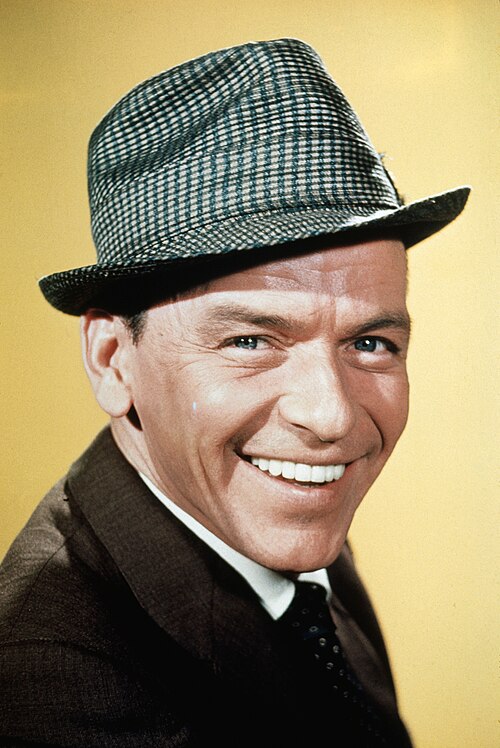
Frank Sinatra (December 12, 1915 – May 14, 1998) was one of America's most famous singers and actors, hailed as the most influential entertainment figure of the 20th century. He was born to an Italian immigrant family in Hoboken, New Jersey, and rose to prominence at an early age due to his unique voice.
Sinatra's music career began in the late 1930s, joining the bands of Harry James and Tommy Dorsey successively. After going solo in 1942, he quickly became a teenage idol. In 1943, he signed with Columbia Records and released his debut album "The Voice of Frank Sinatra" in 1946. In 1953, he won the Academy Award for Best Supporting Actor for his role in "From Here to Eternity," marking a career revival. That same year, he signed with Capitol Records and, with the help of arranger Nelson Riddle, released classic albums like "Songs for Young Lovers." In 1960, he founded Reprise Records and released works such as "Ring-a-Ding-Ding!" His 1965 album "September of My Years" won the Grammy Award for Album of the Year. He announced his retirement in 1971 but made a comeback in 1973. The song "New York, New York" became his signature tune in 1980.
Sinatra also achieved great success in film, starring in classics such as "The Man with the Golden Arm" and "The Manchurian Candidate," and won numerous awards. In his later years, he received the Kennedy Center Honors (1983), the Presidential Medal of Freedom (1985), and the Congressional Gold Medal (1997). Sinatra won a total of 11 Grammy Awards. He died of a heart attack in 1998 at the age of 82.
日主丁火生于仲冬子月,七杀当令,水势滔天。然年柱乙卯偏印透出,时支寅木正印为根,形成杀印相生之局。日主虽弱而有源,但丑土坐基晦火,寅木被壬水盖头,木多水缩,生助不力。整体身弱,取木火为扶助。
这组命局,如同冬夜里一盏孤灯。丁火本身是柔和的烛光,生在一年中最寒冷的节气(大雪后、冬至前),又是深夜寅时,周围一片冰寒。月令子水是七杀,就像刺骨的寒风裹挟着冰雪,不断扑向这微光。但幸运的是,头顶有乙卯木(年柱)和远方的寅木(时支)作为挡风的屏障和灯油,它们努力将凶猛的水势吸收、转化,变成滋养火苗的温暖。这就是“杀印相生”——压力被转化为动力和智慧。所以,他的人生底色是:天生面临着巨大的外部压力和管制(七杀),但总能通过学习、思考或依托某种信念(印星)来化解危机,甚至将压力化为自己成就的阶梯。
然而,这些木都是湿木,生在冬天,吸饱了水,生火的力量大打折扣。寅木中虽藏有丙火小火种,但被壬水浇盖,难以充分燃烧。现实中,这意味着他常常感到内在能量不足,虽然才思敏捷、洞察力强,但容易陷入自我怀疑、情绪起伏大的状态。他需要不断从外界获取温暖和认可(火,即热情、掌声、爱),才能维持内在火焰不熄。这种命局的人,给人感觉是:外表有时显得疏离、冷静(易发呆,思考状),内心却极富激情,极度渴望被理解。他最大的优势是能将最痛苦的经历、最沉重的压力,升华成动人的艺术表达和令人信服的领导力;最大的挑战则是,一生都在与“自我能量不足”对抗,容易因缺乏安全感而过度依赖他人(尤其是女性),或在压力过大时选择自我封闭、放纵来逃避。
命局以杀印相生为主格,兼带伤官见官、偏印合伤官,格局层次高而驳杂。用神首选比劫之火(丙丁),以暖局助身、显耀才华;次取印星之木(甲乙),以化杀生身、提供思源。忌神为财官之水(壬癸亥子),加重寒湿,夺气熄火;湿土(丑辰)溢水晦火,亦为病神;金(庚辛申酉)则生水克木,大忌。
“杀印相生”是一个极具潜力的格局,相当于一个人身处危险境地,却配备了一位智慧导师,将威胁变成教材,练就一身本领。弗兰克·辛纳屈正是如此:早期不得志、家庭矛盾、黑帮威胁等七杀压力,反而激发他敏锐的生存智慧和艺术深度。但这里出现复杂情况:月干透出戊土伤官,它正好克制时干代表规则、秩序的壬水正官,形成了“伤官见官”。这就像他身上有一个才华横溢却藐视权威的“捣蛋鬼”,总在挑战体制、法律和传统规范。他一生与媒体对骂、与政府周旋、与黑帮过从甚密,便是此象。同时,年干乙木偏印与月干戊土伤官相合(乙庚合,但此局乙戊合为东方之秀,有合绊之意),部分约束了伤官的破坏力,使其才华不致过度放肆,转为一种精心编排的“叛逆”。“偏印”也赋予他特立独行的艺术品味和对灵性的追求。
用神是火,火代表什么呢?在现实中,火象征着热情、表现力、主动出击、温暖与光明。对他最有利的环境,就是充满舞台灯光、掌声雷动、受人瞩目的场合。他需要“燃烧”自己:投入到音乐、表演中,把情感毫无保留地宣泄出去,才能获得能量反馈,进而感到充实。所以,他成为表演巨星,正是选择了一条最适配的“用神”之路——用火来催化一切。同时,木作为第二用神,代表学习、思考、长辈贵人、传统智慧。他早年受母亲影响(其母颇有魄力),并阅读大量文学作品,这些都成为他后来歌曲叙事感的来源。
忌神是水,代表恐惧、阴郁、打击、负面情绪。当他遭遇丑闻、舆论攻击、情感背叛时,就是水势泛滥之时,整个人可能崩溃、酗酒、暴躁。因此,他本能地远离那些让他感到冰冷、压抑的人事物。了解他的势能流向,就能理解他事业的几次沉浮:每当投身于充满“火”的创意项目(电影、唱片),他便东山再起;而陷入“水”的泥潭(法律纠纷、财务危机),就跌入谷底。
核心组合:杀印相生(壬子水与甲寅木),伤官制杀(戊土制壬水),偏印合伤(乙合戊),食神暗藏(丑中己土制癸水)。十神虚实错综,构成多面性格:权威与反叛、理性与感性、孤傲与需求交织。
通俗解构:杀印相生(壬水正官/七杀被乙木、寅木所化)赋予他深沉的思考力和权威气质。他能够理解复杂的社会规则,并将之用于建立自己的“帝国”——无论是歌唱事业还是后来的娱乐产业。然而,他对权威又是爱恨交织的:时柱透出壬水正官,代表他对正统地位、社会认可的渴求(希望被视为严肃艺术家,而非流行偶像);但月干的戊土伤官又在不断摧毁这种认可,因为伤官代表颠覆、求新、不屑。这就形成了他标志性的作风:唱着最主流的抒情歌,却以最不羁的黑帮式姿态出现;结交总统也结交黑道,既争取格莱美也满口脏话。他一面追求秩序感(住在规整的豪宅,要求乐队绝对专业),一面又不断打破秩序。
“偏印合伤官”(乙合戊)是一个有趣的组合:偏印是孤独的思考者,伤官是宣泄的表达者,两者相合,使得他的思想与表达高度统一。他的歌曲中常有一种叙事感,像在讲述故事,这与他爱读悬疑小说、研究犯罪心理有关(偏印)。而且,合使他较能掌控伤官的破坏性伤害,往往在惹事后又能巧妙收场。
地支丑中己土食神暗克癸水七杀,这代表他内心有一个温和的、艺术性的化解机制——歌唱本身。食神主口福、艺术、享受,也主温和化解。他在舞台上将攻击性转化为深情演唱,私下则通过美食、美酒来放松。这种组合塑造了他的性格底色:思考时冷静如杀手(杀印),表达时热烈如熔岩(伤官),待人慷慨却又疑心重重(偏印)。他在决策上常常凭直觉快速摇摆,人际关系中既有强烈占有欲(印性),又渴望自由(伤官)。
神煞要点:月柱天乙贵人带桃花(风流贵气),日柱寡宿华盖飞刃(孤傲才艺兼潜藏风险),时柱月德贵人劫煞(危中有救,竞争激烈),年柱灾煞将星(灾中掌权)。刑冲合害:子卯无礼之刑,丑子合,寅丑暗合。
这些符号,像密码一样解释了他人生中的特殊现象。天乙贵人是最大的吉星,落在月柱,并且是桃花位。这意味着一生中,异性贵人对他帮助极大,且天生具备强大异性缘。他的演艺事业起步于大乐队主唱,得到女粉丝疯狂追捧;后转战电影,也多有女性制片人、搭档相助。桃花也使他情史极为丰富,四次婚姻,与无数女星有染,晚年仍有年轻女友。但这颗桃花带贵人,不是低俗的肉欲,而是一种令人着迷的“巨星魅力”。
日柱寡宿、华盖并见,这是典型的孤星组合。寡宿主孤独,华盖主才华但孤芳自赏。他虽身处万众欢呼中心,内心却异常孤独,尤其在晚年,独居豪宅,反复观看老电影。这种孤独感也催生了艺术的深度,《My Way》这样的歌简直是其人生写照。飞刃(羊刃的对宫)代表潜在血光或意外,他早年曾遭黑帮殴打,晚年疾病缠身,也暗示生命的激烈张力。华盖更强化了艺术想象力,他的声音中有一种抽离的叙事感,恍如一个冷眼旁观的叙述者。
时柱月德贵人,是化险为夷的福星。他多次陷入舆论和法律泥潭,甚至面临牢狱之灾(如逃税案),但最终都安然渡过,晚年更成为国家文化象征,获总统自由勋章。劫煞则代表了从业环境中竞争激烈,他用强硬手腕和黑道关系来争夺资源,也被称“幕后操纵者”。
刑冲合害中,最重要的是子卯无礼之刑。子为月令七杀,卯为年柱偏印,相刑代表思想和行为上的 “无礼”,即不遵守规矩、行为乖张。这使他早年辍学、蔑视教条,一生与权威对撞,情感上也因占有欲过强(印旺)而导致关系紧张。子丑合土,又合住了部分刑的力量,使他能通过物质享受、家庭温暖(虽然不多)来缓解,但仍然终身带着这种破坏与重建的循环。
丁火日主,坐丑土食神,时透壬水正官,月透戊土伤官,年透乙木偏印。火性柔中带刚,正官约束而伤官不羁,印星庇护而敏感多疑。
想象一下,他的内心世界像个狭小却明亮的房间,有一盏不断跳动的油灯(丁火)。他生来需要保护这灯不灭,所以总在警惕外部的水汽(威胁)。这让他形成一种“脆弱又坚韧”的矛盾性格。一方面,丁火之人天生温和、重情感,对亲近的人细致体贴;另一方面,为了生存,他必须变得强硬,甚至冷酷。时柱的正官(壬水)像房间的承重墙,给他结构和对体面的渴望——他渴望被社会认可为严肃的艺术家,渴望秩序和尊重。然而,月柱的伤官(戊土)却像一个总想破墙而出的顽童,厌恶任何束缚,渴望自由表达,甚至用破坏来证明自己。所以,他总是在“克制”与“放纵”间摇摆:他可以是完美主义的歌手,排练时要求严苛;也能在深夜酗酒砸东西。年柱偏印(乙木)则像房间里堆满的书和古怪的收藏品,他聪明、好学、直觉敏锐,但也多疑、爱钻牛角尖,对人有防备心。他评估他人时,会在第一瞬间捕捉到对方是否“真诚”(印星的直觉),但伤官又让他忍不住用尖刻话语试探,最后丁火的温情又让他后悔。他最深的情感需求是“被无条件接纳”,但由于内在不安全感,他常常推开这份接纳。
天赋核心在伤官佩印(戊伤乙印),兼得杀印相生(壬杀甲印),食神泄秀(丑中己食)。三象联动,成就无与伦比的语言、声音、表演综合艺术大师。
伤官佩印,是创新与学识的结合。他的歌声不仅是天赋的喉咙,更是智慧的表达。伤官给他即兴能力和情绪的爆发力,偏印则提供深度的思考和对文字的精通。他能将一首歌演绎得像一部迷你电影,每个词都清晰而有分量——这就是“吐秀”的力量。同时,杀印相生令他在舞台上拥有非凡的控制力和权威感。他站在那里,无需动作,眼神扫过便让万人屏息,这是一种“威压”。不是凶恶,而是令你深信他是主宰。这种气质是从杀印中化出的领导力,让他能驾驭大乐队、主持娱乐帝国。食神是才艺的出口,丑中己土食神,土主信、主音律,他天生音准节奏极佳,声线低沉富有磁性(丑为金库,金主声音),歌声中又带有一丝忧郁的土性,极富感染力。
这些天赋,将他推向领域之巅。在音乐上,他革新了流行唱法,将爵士即兴与传统抒情融合;在影视上,以非科班出身勇夺奥斯卡男配;在商业上,创立自己的唱片公司,是后世巨星经营模式的先驱。如果没有伤官,他只是个循规蹈矩的音符;如果没有印星,他可能流于轻浮;如果没有杀印,他缺乏厚重感。天时地利,令其成为一代传奇。
最主要的冲突为‘伤官见官’与‘印星被刑’。官杀混杂(壬子官杀同宫),比劫不现,财星微弱。这构成了他生涯中反复出现的法律/道德困境、情感依赖与孤独、财务波动。
伤官见官,意味着他的才华与规则之间永不停歇的战争。他厌恶教条,认为常规是用来打破的。这使他在艺术上屡出奇招,却也使他不断触犯禁忌:与黑帮交往是挑战法律;在公开节目爆粗口是挑战社会规范;多次婚姻挑战家庭伦理。这种冲突,让他长期处于舆论漩涡,也让他的人生故事充满戏剧性。另一层面,子卯刑,是他与母亲、与教育系统、与权威关系的深层阴影。其母性格强悍,对他的控制与期望造成他日后的反叛,也造成他一生爱恨交织的情感模式:他总被强势女性吸引,随后又试图挣脱。
比劫(兄弟姐妹、朋友)在命盘中不现,意味着他虽广交人脉,但内心知音难觅。他身边的“鼠党”(Rat Pack)多是酒肉兄弟,真正分担痛苦时,他往往独自面对。这加剧了他对异性情感的依赖,可偏偏财星(妻子、情人)微弱,代表他容易经历关系的失落与不稳定。他四段婚姻,均充满激情却难白头。财星弱也反映在财务状况上:他赚取天文数字,却挥霍无度,几次濒临破产。
此外,官杀混杂使他决策时常左右为难:是该遵从内心,还是迎合大众?是该退一步海阔天空,还是进一步鱼死网破?这种内在拉锯,让他情绪如过山车,也造就了他在舞台上的极致真实——因为每次演唱,都是一次内心矛盾的宣泄。
弗兰克·辛纳屈的命局,是一曲冬夜烛光与风暴的对峙。杀印相生,根植痛苦开出艺术之花,使他的歌声承载了二十世纪美国的集体情感;伤官佩印,令他在规训与狂放间,铸造了不可复制的巨星风范。但子卯无礼的刑冲,寡宿华盖的孤星,注定了他聚光灯下的孤独、掌声后的落寞。他是“Chairman of the Board”,也是永远寻找温暖的火种。最终,他用一首《My Way》总结了自己——不是对世界的宣言,而是对内心所有矛盾的和解。这盏丁火,燃尽一生,照亮了一个时代,也烧穿了自身脆弱的外壳,在灰烬里,留下不朽的旋律。
丁火比肩助身,亥水正官制身,为官星与比肩相克之象。 比肩代表同辈和朋友,正官代表规则和约束。此运命主处于童年,家庭环境严格,父母教导规范,但比肩助身说明他个性开始显现,有主见,与同伴互动中建立自信。整体是平稳成长的十年。
比肩帮身,正官为用,但原局官杀混杂,压力初显。 此时尚在求学阶段,无正式事业。但比肩助身,学习上得到同学帮助,师长赏识。官星代表纪律,可能参与学校活动或音乐兴趣班(辛纳屈早年喜欢唱歌),初步展现才华。家庭经济一般,无大财。
比肩为朋,正官为管,人际关系以同龄人和师长为主。 比肩多兄弟姐妹或朋友,辛纳屈是独子,但可能结交玩伴。正官代表父母管教严格,与父母关系中规中矩。亥水桃花,长相可爱,受人喜欢。
丁火日主被亥水克,水旺火弱,体质偏寒。 注意呼吸道和感冒问题。亥中壬水七杀,可能易受惊吓。童年精力中等,需加强锻炼。
丙火劫财助身,戌土食神泄秀,食神生财之始。 劫财代表行动力和竞争,食神代表才华和表达。此运少年时期,辛纳屈开始展露歌唱天赋,积极参与乐队和演出。丙火强根,自信心上升,但劫财也意味着竞争激烈,需要努力脱颖而出。
食神生财,劫财夺财,事业萌芽但收入不稳。 辛纳屈在19岁左右加入乐队,成为主唱。食神代表艺术才华,劫财代表争取机会,他频繁参加各种表演,积累经验。但劫财也易破财,早期收入不高,且需与人分账。戌中藏辛金偏财,有额外收入机会。
劫财主交友,食神主享受,社交圈扩大。 结识许多音乐同伴,形成早期人脉。但劫财也易引起争执,与乐队成员或有摩擦。食神桃花,吸引异性;但感情尚不稳定。家庭关系逐渐独立。
丙火暖身,戌土泄火,精力充沛但易上火。 注意喉咙和声带保养,因频繁演唱。戌土为食神,消化系统良好,但需防暴饮暴食。
乙木偏印生身,酉金偏财耗身,身弱财旺之局。 偏印代表特殊才能和灵感,偏财代表意外财富。这十年辛纳屈事业大爆发,1940年代成为歌坛巨星。偏印助旺了艺术创造力,偏财则带来巨大财富,但身弱财旺,压力也大,需靠努力支撑。
偏财旺极,偏印化杀,事业财富急剧上升。 1939年加入大乐队,1942年单飞,签约哥伦比亚唱片,多首金曲问世。偏财代表横财,唱片销售、演出费猛涨。乙木偏印生身,与顶级音乐人合作,风格独特。原局七杀有制,克服竞争。但酉金冲卯木,印星受损,注意合约纠纷。
偏财桃花,偏印孤独,感情复杂。 辛纳屈于1939年与第一任妻子南希结婚,但偏财主多情,婚后仍有绯闻。偏印使他性格内向部分,专注事业。社交圈扩大,与好莱坞明星往来。名声大噪,但私生活备受关注。
酉金耗火,乙木生火但根虚,精力透支。 心脏和血液循环需注意。偏财旺,工作劳累,易患感冒。1945年后声音出现沙哑,咽喉问题。
甲木正印生身,申金正财耗身,印星化杀生身,财印相济。 正印代表声誉和贵人,正财代表稳定收入。此运辛纳屈从歌坛进军影坛,1953年凭《乱世忠魂》获奥斯卡,事业再攀高峰。甲木有力,化解七杀压力,名声稳固。申金正财,收入更稳定。
印星发力,财官为用,事业转型成功。 1948年嗓子受损,但甲木印星助他转型演员。正财代表片酬,电影收入丰厚。1950年代成立唱片公司,掌控版权。申中藏壬水七杀,仍有竞争,但甲木印星护身,化解风险。事业多元化。
正印主贵,正财主专一,家庭关系变化。 1951年与南希离婚,同年与艾娃·加德纳结婚。正印代表长辈支持,离婚前后有舆论压力。正财为妻星,但申金与丑土合,感情波折。1961年与米亚·法罗结婚,但正印稳定,名声未损。
甲木生火,申金克木,肝木易郁。 注意情绪和肝脏。申金为财,过度工作导致疲劳。1950年代曾因事业压力服用安眠药,需注意心理调节。
癸水七杀攻身,未土食神制杀,食神制杀为权。 七杀代表挑战和压力,食神代表智慧和化解。此运辛纳屈事业继续辉煌,但压力倍增。他成立Reprise唱片公司,开创自己的品牌。食神制杀,用才华和策略应对竞争,掌控话语权。
食神制杀,权柄在握,但财运起伏。 1960年代成立唱片公司,签下许多艺人。七杀为压力,公司经营面临财务危机,但食神制杀,凭借商业头脑度过。1962年《My Way》等歌曲成为经典。未中丁火比肩,同业合作。未土冲丑,注意投资风险。
食神主享乐,七杀主冲突,人际关系紧张。 1966年与米亚·法罗离婚。食神制杀,社交圈子扩大,与政界人物交往(如肯尼迪)。但七杀也带来敌人,与媒体关系紧张。家人关系一般,因工作忙碌。
癸水克火,未土泄火,心脏负担重。 1960年代体重增加,健康亮红灯。食神主饮食,注意糖尿病风险。七杀压力大,易焦虑。
壬水正官合身,午火比肩助身,官来合我,声名再显。 正官代表官方认可和法律,比肩代表支持和社交。此运辛纳屈1970年代复出,举办大型演唱会,获得格莱美终身成就奖。壬水正官融入命局,地位尊崇。午火比肩,团队得力。
官印相生,比肩助财,事业复苏。 1971年宣布退休,但1973年复出,回归乐坛。正官合身,获得多项大奖。午火比肩,与众多巨星合作(如昆西·琼斯)。收入稳定,版税丰厚。午中己土食神,发挥创意。但原局子午冲,注意变动。
正官主和谐,比肩主合作,人际关系缓和。 1976年与芭芭拉·马克思结婚,关系稳定。比肩代表朋友,与老友重聚。正官带来社会尊重,负面新闻减少。家庭生活相对平静。
午火助身,但子午冲,心脏和肾脏易失衡。 注意血压和心脏病。1970年代戒烟,健康意识提高。但仍需注意情绪波动。
辛金偏财耗身,巳火劫财助身,财星与劫财并见,竞争与财富齐飞。 偏财代表投资和意外之财,劫财代表合作和竞争。此运辛纳屈晚年,商业投资活跃,也经历财务纠纷。巳火劫财帮身,团队支持,但劫财也易破财。
财星透干,劫财合财,财务复杂。 1980年代开展拉斯维加斯演出,收入可观。辛金偏财,投资房产和娱乐产业。但劫财夺财,与合伙人纠纷,税务问题。巳火生土,食神为用,仍有创作。1985年获总统自由勋章。
劫财主争夺,偏财主多情,家庭关系波动。 与子女关系因财产问题紧张。巳中丙火比肩,朋友众多,但劫财也易被拖累。与芭芭拉婚姻稳定。名声依旧,但负面报道增多。
巳火劫财耗火,辛金偏财耗气,精力下降。 注意心脏和肺部。巳中丙火,易有炎症。1980年代体力衰退,减少演出。需多休息。
庚金正财耗身,辰土伤官泄身,财星破印,伤官见官。 正财代表稳定收入,伤官代表才华变现。此运辛纳屈进入晚年,1990年代基本退休。庚金正财,收入源于以往版税。辰土伤官,仍偶尔演出。但辰酉合,财星被合,财富外流。伤官见官,易有是非。
正财合身,伤官生财,晚年安逸但财来财去。 1990年代较少公开演出,主要靠老歌版税。庚金正财,经济无忧,但辰中乙木偏印,投资助力。伤官代表旧作出版,1994年获格莱美传奇奖。辰戌冲,注意法律纠纷(如儿子离婚案)。
伤官主挑剔,正财主现实,人际关系变淡。 与家人关系疏远,尤其是女儿南希。伤官见官,与媒体争执。但正财代表妻子,与芭芭拉相伴。朋友逐渐离世,孤独感增加。
庚金耗火,辰土泄火,体质虚弱。 1990年代心脏病几次发作。伤官主情绪,抑郁倾向。辰土湿寒,注意关节和消化。1998年因心脏病去世。
Tian Xiang in Excel sits in the Tian Zhai Palace, with the auxiliary star Di Jie in the same house, forming a pattern of 'Seal Star encountering Robbery.' Tian Xiang is the Southern Dipper's Seal star, governing coordination, stability, and conservatism; when flourishing, it can safeguard the family estate and values harmony at home. Di Jie, however, is a calamity star, belonging to the Fire element, governing depletion and loss. The two contradict each other—water and fire are merciless—causing the native to seek a stable living environment, yet actual property purchases or holdings often come with unexpected losses, division, or involuntary sales. Tian Xiang belongs to Water and Di Jie to Fire; the clash of water and fire implies internal conflicts at home or external disruptions, such as legal disputes or giving away wealth. Sinatra owned many properties throughout his life, but Di Jie's destructive force prevented these assets from becoming stable wealth accumulation; instead, they were more emotional attachments or status symbols.
This palace has no Four Transformations, but the Destiny Palace's Tai Yin Hua Ji directly opposes the Tian Zhai Palace, and the Cai Bo Palace's Tian Ji Hua Lu indirectly provides support. Tai Yin is the ruling star of Tian Zhai; its Hua Ji in the Destiny Palace reflects Sinatra's intense emotional investment in family, making it a persistent burden and emotional pull throughout his life, such as his concerns for parents and children. The Cai Bo Palace's Tian Ji Hua Lu (Tian Ji being part of the Brothers Palace triad) supports property purchases through show business income, but since the Hua Lu does not directly enter Tian Zhai, the properties were mostly for consumption rather than appreciation. The Zi Nv Palace has Zi Wei Hua Ke; through children or performance achievements (Sinatra won an Oscar), it indirectly brought property fame, such as the mansion bought in 1966 upon marrying Mia Farrow. The Guan Lu Palace has Tian Tong and Tian Liang Hua Quan; Hua Quan in the opposite Career Palace strengthens his desire for control over the home, but Tian Liang Hua Quan is inherently noble, and the Career Palace's Tuo Luo causes property matters to be delayed and repetitive—for example, announcing retirement in 1971 but not fully exiting, and property transactions being bumpy.
Sinatra's Tian Zhai Palace with Tian Xiang in Excel and Di Jie in the same house destined him for a complex relationship with real estate throughout his life. He was born in the slums of Hoboken, New Jersey, with humble early living conditions. After becoming famous, he quickly moved to Hollywood and bought his first home in California in the 1940s. During his career peak in the 1950s, he purchased a luxurious villa in Palm Springs as a place for socializing and retreat. In 1966, upon marrying actress Mia Farrow, he bought a mansion in Beverly Hills, but after their divorce in 1974, the property went to her. In 1971, physically and mentally exhausted, he announced retirement and sold some properties, but soon made a comeback, leading to frequent property changes. In his later years, he donated part of his Palm Springs villa to charity, reflecting the coexistence of Tian Xiang's conservatism and Di Jie's depletion. All his life, his properties served family purposes or as status symbols rather than investments; for example, in 1995, he sold a villa and donated the proceeds.
Tian Tong (Mercy Star) in Prosperous state, Tian Liang (Blessing Star) in Temple with Hua Quan (Authority Transformation), along with Zuo Fu (Supporting Star) and Tuo Luo (Obstacle Star) in Fall, sit in the Career Palace (also the Body Palace). Tian Tong is the Star of Fortune, while Tian Liang is the Star of Shelter and nobility; when Tian Liang transforms into Authority, it relates to authority, management, and law. Zuo Fu provides helpful support, while Tuo Luo in Fall brings delays and repetition. The Career Palace is the primary position for career, and being the Body Palace, it represents the focus of one's life work. Tian Tong with Tian Liang transformed into Authority is suitable for fields like arts, public welfare, and education, but the Authority Transformation drives him not to be merely a performer; he also becomes a producer, radio station owner, and political activist. Tuo Luo indicates career ups and downs, with delayed success—his great fame in the early 1940s, a slump from 1948-52 due to vocal issues and declining popularity, then a rebound in 1953 with a film role, perfectly reflecting Tuo Luo. Zuo Fu brings mentors and helpful people, such as musical director Axel Stordahl and others.
Tian Liang Hua Quan (Authority Transformation) enters the Career Palace. Hua Quan (Authority Transformation) enhances control and authority. Tian Liang with Authority Transformation made him a godfather figure in the music industry, dominating creative direction, and also engaged in politics—he supported Kennedy and organized the 1961 inauguration performance. In later years, he mentored younger talents like Quincy Jones.
Career trajectory: started as a popular big band singer from 1935-1939; rose to fame collaborating with Tommy Dorsey from 1940-1943; peaked as a solo artist from 1944-1948. In 1949, hit bottom due to voice loss and changing audience tastes; in 1953, starred in 'From Here to Eternity' and won the Oscar for Best Supporting Actor, marking a career revival. In the 1960s, built a recording empire. The Authority Transformation and Body Palace ultimately made him a symbol of his era.
Ju Men in a flourishing state sits in the Fu De Palace, with You Bi, Tian Kui, and Ling Xing in detriment in the same house. Ju Men is a dark star; in a flourishing position it gives sharp eloquence and profound intellect, but still has a concealing nature, easily breeding suspicion; You Bi and Tian Kui are helpful stars, which can mitigate its darkness, bringing spiritual support and a moral sense; Ling Xing in detriment lurks with factors of anxiety and insomnia. Ju Men in prosperity made Sinatra accustomed to exploring his inner world through reflection and speech—his obsessive attention to artistic detail (such as repeatedly re-recording in the studio) stemmed from this, but Ling Xing in detriment turned this obsession into anxiety, especially prone to self-criticism at night. You Bi and Tian Kui acted like close friends and psychiatrists in his life, offering guidance during emotional lows. The overall combination forms a structure of 'Ju Men with baleful influences yet hidden benefactors'—on the surface, he was eloquently articulate, but inside he endured unseen spiritual torment.
This palace has no Four Transformations, but the opposite palace, the Cai Bo Palace, has Tian Ji transforming into Hua Lu (Ren Stem), creating a pull. The Hua Lu of Tian Ji is a lu of intellectual skill; through the Tai Yang (flourishing) and Qing Yang in the Qian Yi Palace, eloquence and thinking ability are transformed into tangible fame and profit (Tai Yang governs fame, Qing Yang represents aggressive pursuit), but it also intensifies the mental activity of Ju Men. After the introduction of Tian Ji Hua Lu, Sinatra's inner world constantly oscillated between 'solving problems with wisdom' and 'excessive rumination.' Additionally, although the Destiny Palace's Tai Yin Hua Ji (Bing Stem) is not in the Fu De Palace, Tai Yin is yin water, and its Hua Ji brings emotional suppression, indirectly causing the Ju Men in Fu De Palace to absorb the gloomy energy, making him appear more isolated and melancholic after middle age (especially after 60).
The combination of prosperous Ju Men with Ling Xing in detriment, together with Tian Ji Hua Lu, precisely maps Sinatra's late-life depression and perfectionist personality. In 1974, his mother was killed in a plane hijacking, and he fell into severe self-blame (the dark Ju Men triggered associations of 'speech leading to disaster'—his mother had publicly complained about his neglect before her death), leading him to retire for two years, during which he relied on psychological therapy (You Bi, Tian Kui). In the studio, his obsession with a single note often caused panic, even making him smash the microphone in public (Ling Xing in detriment erupting). But the love of his fans (the popular base of You Bi and Tian Kui) and his own intellectual power (prosperous Ju Men) gradually pulled him out of the gloom; in the late 1970s, he made a comeback and received the Grammy Lifetime Achievement Award. The Hua Lu of Tian Ji manifested in his later years through investments in radio stations and political activities, using his 'gift of gab' to make money.
Lian Zhen in detriment, Tan Lang in detriment conjunct in the same house, Huo Xing in a favorable position in the Parents Palace. Lian Zhen is the secondary Peach Blossom star, Tan Lang is the primary Peach Blossom star; both stars fallen indicate that the relationship between parents is complex and changeable, imbued with a strong sense of drama and instability; while Huo Xing in a favorable position symbolizes intense conflicts and a fiery temper. In the case of Sinatra, this manifested as his father Anthony (a boxer and bartender) being irascible and stubborn, while his mother Marina (a midwife and political activist) was strong-willed and charismatic. The fallen Lian-Tan made his parents' relationship strained in his early years, and they even lived apart for a long time, finally divorcing officially in 1937—for the young Sinatra, this became the breeding ground for his rebellious emotions and performing desires: caught between his parents, he learned early to read people's expressions and express himself, using singing to attract attention and thereby offset the frustration of family discord.
The Destiny Palace's Bing Stem transforms Lian Zhen into Hua Ji (Adverse Transformation) and enters the Parents Palace; the Career Palace's Wu Stem transforms Tan Lang into Hua Lu (Beneficial Transformation) and also enters the Parents Palace. The Hua Ji comes from an emotional indebtedness; Sinatra always harbored a hidden pain and resentment towards his father—in 1939, his father opposed him joining a band, and they had a falling out; in his later years, in his autobiography, he still blamed himself for not healing the rift. The Hua Lu comes from the pull of the Career Palace (Body Palace): his mother fully supported his singing, even selling family property to buy him his first stage outfit, turning Tan Lang's speculative charisma into a boost for his performing career. One Ji and one Lu in the same palace create a 'Ji-Lu confrontation': the parents were both a driving force for his career and an emotional abyss.
The pattern of fallen Lian-Zhen and Tan-Lang plus Huo Xing in the Parents Palace repeatedly surfaced in Sinatra's life: when his parents divorced in 1937, he was 22 and just starting his career; he chose to follow his mother, but he held a grudge against his father's violent memories. In 1946, his father died of cancer, and Sinatra refused to attend the funeral, saying 'He never believed in me.' His mother Marina lived until 1977; Sinatra bought her a large house and visited regularly, but the estrangement between father and son never healed. The fallen Lian-Tan also turned his family of origin into a source of artistic nourishment—in his early years, he imitated baritone singing precisely to win his mother's praise; and the conflict with his father forged his later rebellious stage persona.
Tai Yin (Moon Star) prosperously seated in the Destiny Palace, transformed to Hua Ji (Obstacle), with Ming Zhu (Life Master star) being Lu Cun (Salary Star), and the palace in Tai (Embryo) stage. Tai Yin is the moon, ruling gentleness, art, and emotion; its prosperous position strengthens its sensitivity and aesthetic sense, but Hua Ji keeps the inner heart in loneliness and unease, easily leading to emotional regrets. Is Lu Cun in the same palace or in the triangles? Here, the Ming Zhu is Lu Cun, but Lu Cun is not in the Destiny Palace—it is in the Servants Palace. So the Life Master star is Lu Cun, but the actual palace does not contain Lu Cun; this deserves attention. The principal star of the Destiny Palace is Tai Yin Hua Ji, belonging to the 'Moon rising over the vast sea' but transformed to Obstacle, representing great talent accompanied by mental stress. The Tai stage symbolizes a nascent state; the personality is not yet fixed, but throughout life, there is constant self-adjustment. With this configuration, the native often resolves inner turmoil through artistic expression. Frank Sinatra’s deep, soulful voice and melancholic eyes are an externalization of Tai Yin Hua Ji—he was a superstar on stage, but often felt lonely off stage, and his multiple turbulent marriages are also related to this.
Tai Yin Hua Ji enters the Destiny Palace, self-transforming to Obstacle. Hua Ji represents consumption, entanglements, and emotional inner wounds. Tai Yin Hua Ji makes him extremely sensitive in interpersonal relationships, especially love, prone to giving too much and getting hurt. However, the prosperous position provides redemption, so he channels his energy into singing, turning sorrow into art. In the early 1920s to 1930s, he sang in nightclubs, precisely using the stage to vent his emotions, thus making a name for himself.
Tai Yin Hua Ji in the Destiny Palace led to Sinatra’s lifelong emotional turmoil. He married his first wife Nancy Barbato in the 1940s, but had many affairs during the marriage and divorced in 1951; he then married Ava Gardner that same year, but due to both having strong personalities, they divorced in 1957; he married Mia Farrow in 1966 and separated in 1968. All three marriages ended in conflict or estrangement, confirming the emotional upheaval of Tai Yin Ji in the Destiny Palace. Yet he transformed this sensitivity into deep affection in his songs, such as 'My Way' and 'I’ve Got You Under My Skin', becoming the century’s king of song.
Tian Fu (Treasury Star) in Wang (Prosperity) position guarding the Siblings Palace, accompanied by Di Kong (Void Star), forming the pattern of 'Treasury meets Void'. Tian Fu is the Emperor Star of the Southern Dipper, element Yang Earth, in Wang position it signifies tolerance, steadiness, and responsibility. In the Siblings Palace, it represents a strong protective instinct and a willingness to give to siblings or peer groups, ready to shoulder financial or emotional support in stable relationships. However, Di Kong is a star of emptiness and consumption, element Yin Fire, symbolizing detachment, idealism, and the gap between reality and expectation. The combination results in seemingly close sibling relationships or cooperative groups that actually harbor psychological distance or frequent separations. Tian Fu provides the framework, while Di Kong hollows out the core—like empty promises that are hard to fulfill. For Sinatra, although he was the only son in the family (an older brother died young, and two sisters), sibling bonds did not become the core of his childhood; his mother Dolly was the dominant figure, while his father Marty was often absent. Di Kong further reflects the 'Rat Pack' he later built—a showbiz brotherhood centered on Dean Martin, Sammy Davis Jr., etc., which appeared glorious and united on the surface but gradually disintegrated due to conflicts of interest, personality, or politics (such as feuds with Judy Garland and the 1962 rift with Peter Lawford). This perfectly illustrates Tian Fu’s hollow stability and Di Kong’s inherent alienation.
The Siblings Palace has no direct Four Transformation influence, but the Yi Stem triggers 'Tian Ji Hua Lu' (Wisdom Star Transformed to Wealth) entering the Wealth Palace, forming an oblique illumination pattern. In the Four Transformations trajectory, the Yi Stem causes Tian Ji (Wisdom Star) to transform Hua Lu in the Wealth Palace (Wu), Tian Liang (Heavenly Support Star) to transform Hua Quan (Authority) in the Career Palace (Yin), Zi Wei (Emperor Star) to transform Hua Ke (Fame) in the Children Palace (Wei), and Tai Yin to transform Hua Ji (Obstacle) in the Destiny Palace (Xu). Although the Siblings Palace is empty of principal stars (only Tian Fu, no transformations), it forms a triangle with the Wealth and Career Palaces and thus receives indirect activation from Tian Ji Hua Lu. Tian Ji Hua Lu in the Wealth Palace signifies flexible and change-driven wealth generation; this Lu star illuminates the Siblings Palace through the triangular relationship, meaning siblings or peer collaborations are often linked to money flow and creative endeavors. Sinatra’s early collaboration with his sisters to support his singing dreams (e.g., sister Nancy sponsored him in a 1930s competition) and the Rat Pack’s joint performances in Las Vegas (such as the 1960 film Ocean’s 11) concretize this: money (Hua Lu) and brother circles (Siblings Palace) intertwine through the creative energy of Tian Ji. However, Di Kong produces a counteracting effect: seemingly blessed by wealth, yet due to its empty nature, this cannot be sustained—the Rat Pack’s cooperation brought substantial income but eventually fell apart due to individual development paths and conflicts, consistent with the fate logic of 'Lu illuminating the Void, gain followed by loss'.
Real-life verification: The core event chain of the Siblings Palace is 'mother's dominance, sisters' support, rise and fall of the Rat Pack'. When Sinatra was born, his elder brother had already died, so he grew up as an only son in an Irish-American family in Hoboken, New Jersey. His mother, Natalie Della Monfreda, was strong-willed and shrewd; his father, Marty Sinatra, was a firefighter and bar owner, often absent due to alcoholism and domestic violence (Tian Fu prosperous but with Di Kong, symbolizing insufficient stability in the paternal role). His two sisters (Nancy Sinatra and Frances Sinatra) did not enter show business, but gave him financial and emotional support in his first professional singing competition in 1939 (reflecting Tian Ji Hua Lu in the Wealth Palace shining on the Siblings Palace). In the late 1950s, Sinatra formed the core Rat Pack members: Dean Martin, Sammy Davis Jr., Peter Lawford, Joey Bishop—these 'brothers' strengthened the apparent unity of Tian Fu during the peak of the 1960 Ocean’s Eleven filming and their residency at the Sands Hotel in Las Vegas. However, the Di Kong effect erupted after 1962: Sinatra fell out with Peter Lawford over political stances (supporting the Kennedy family); subtle estrangement arose with Sammy Davis Jr. due to racial discrimination issues; Dean Martin went solo in the 1970s, and the Rat Pack existed in name only. This trajectory of 'superficial brotherhood, inner emptiness' is a classic portrayal of Tian Fu and Di Kong.
Wu Qu (Wealth Star) in Prosperous state, Qi Sha (Indirect Officer Star; technically: Qi Sha (Indirect Officer)) Flourishing as the main star, along with Lu Cun (Saving Star) in the same palace, sit in the Friends Palace. Wu Qu is the Star of Wealth, Qi Sha is the General Star; both in Flourishing/Prosperous states with Lu Cun indicate that subordinates and partners are capable, loyal, and financially strong. However, the Wu Qu and Qi Sha combination also implies competition and separation in relationships. Lu Cun provides stability, and friends bring financial support. Sinatra's 'Rat Pack' core members, such as Dean Martin, Sammy Davis Jr., Peter Lawford, were all entertainment elites; Wu Qu, Qi Sha, and Lu Cun symbolize this group's financial power and daring, often performing and investing together. Yet Wu Qu and Qi Sha also easily create conflicts, such as his later estrangement from Dean Martin.
No Four Transformations, but Lu Cun itself has the nature of Hua Lu (Wealth Transformation). Lu Cun in the Friends Palace means friends and partners bring him substantial tangible benefits. For example, Rat Pack members together participated in films like 'Ocean's 11' and 'Robin and the 7 Hoods' in the 1960s, earning significant box office revenue.
In the 1950s, Sinatra formed the Rat Pack with Dean Martin, Sammy Davis Jr., and others, performing in Las Vegas, creating an entertainment and business alliance that expanded his influence. However, Qi Sha also brought conflicts: in the 1960s, he had a rift with Sammy Davis Jr. over political stances (after Kennedy's assassination), breaking the Wu Qu-Qi Sha pattern.
Tai Yang (Sun Star) Flourishing, Yang Ren (Defiant Star) in Temple, sitting in the Travel Palace, at the Emperor's Prosperity position. Tai Yang represents fame and dissemination, shining brightly in its Flourishing state; Yang Ren represents punishment and injury, but in Temple it becomes authority. The Travel Palace governs outward development and overseas experiences. The combination of Tai Yang and Yang Ren is like 'a bright sun with a blade,' bringing great fame abroad but accompanied by competition and conflict. Sinatra had countless international tours, especially hugely popular in Europe and Japan, but Yang Ren also brought aggressiveness—he was known for his hot temper, often clashing with the media and peers, such as arguments with reporters and physical altercations. The Emperor's Prosperity position represents peak energy, leading to many breakthroughs in long-distance travels throughout his life.
No Four Transformations, but Tai Yang Flourishing and Yang Ren in Temple are already strong enough. Without Hua Ke or Hua Quan, yet the inherently Flourishing Tai Yang naturally brings great fame. Sinatra's global popularity didn't depend on official awards but solely on public acclaim.
After the 1950s, Sinatra toured Europe annually; his 1962 performance in London caused a sensation. Yang Ren reflects controversies: his close relationship with President Kennedy and mafia rumors in 1963, and his public support for the Republican Party in the 1970s drawing attacks from liberals. The Travel Palace in Emperor's Prosperity position kept him always at the center of public opinion and maintained his heat.
Tian Ma (Mobility Star) in the Ji E Gong (Health & Illness Palace), at Lin Guan (Prime of Life) position. Tian Ma signifies movement, constant activity; Lin Guan indicates a flourishing phase but without a main star. The Health & Illness Palace primarily reflects physical condition and illness tendencies. Tian Ma suggests overexertion from activity or travel, potentially leading to strain, or attention to the respiratory system (the Horse corresponds to Wu, Fire element). Frank Sinatra suffered from bladder cancer and heart disease in his later years, which resonates with the Fire element. However, Tian Ma also represents his abundant energy, with frequent touring in the 1950s–60s possibly causing him to neglect rest.
No Four Transformations (Si Hua), but Tian Ma inherently implies movement. No Hua Ji (Turning into Jealousy/Obstacle), indicating no severe long-term illness, though he had vocal cord nodules in the 1940s (overuse of voice) and emotional issues in the 1950s (influenced by Tai Yin Hua Ji), with Tian Ma intensifying the depletion.
Frank Sinatra toured extensively throughout his life, still performing globally in the 1990s. His final tour in 1995 revealed failing stamina, and he died of a heart attack in 1998. Tian Ma in the Health & Illness Palace corresponds to his lack of attention to health maintenance in youth, leading to ailments in later years. Lin Guan indicates relatively good health in middle age, but overexploitation.
Tian Ji (Sky Mechanism; the Strategist) in Miao (Prosperous) state with Hua Lu (Turning into Wealth), and Wen Qu (Literary Star) in Xian (Trapped) occupy the Cai Bo Gong (Wealth & Property Palace). Tian Ji represents intelligence, resourcefulness, and adaptability; in Miao with Hua Lu, it primarily earns wealth through wisdom, eloquence, and planning. Wen Qu in Xian brings fluctuations in secondary wealth, artistic talent but instability. Tian Ji Hua Lu is a classic 'Wisdom Wealth' indicator – Sinatra was not only a singer but also a businessman and producer; he invested in films, record companies, and casinos, with Tian Ji Hua Lu making his financial channels flexible. Wen Qu in Xian in the Wealth Palace shows highs and lows in performance income, such as the early 1940s glory, a trough in the late 1940s, and a resurgence in the 1950s.
Tian Ji Hua Lu enters the Cai Bo Gong (Wealth & Property Palace). Hua Lu represents wealth and blessings. Tian Ji Hua Lu causes financial sources to fluctuate but grow rapidly. Sinatra won the Oscar for Best Supporting Actor in 1953 for From Here to Eternity, leading to surges in salary and record royalties; later he invested in real estate and entertainment, amassing a fortune exceeding hundreds of millions. Tian Ji Hua Lu also made him adept at seizing opportunities, such as partnering with casino owners to operate hotels.
Frank Sinatra's wealth trajectory: in 1939 he signed his first major contract with Tommy Dorsey's band, and after going solo in 1943 his income soared. In the early 1950s he hit a low due to vocal cord issues, but turned things around with a film role in 1954. Subsequently, he founded a record label, ventured into casinos (e.g., the Sands Hotel in Las Vegas in the 1960s), diversifying his wealth. Tian Ji Hua Lu signifies mobility and intelligence; in 1965 his annual income ranked among the top global entertainers.
Wen Chang (Literary Star) in favorable position and Tian Yue (Noble Star) in the Spouse Palace, Chang Sheng (Growth) stage. Wen Chang governs literary talent and romance, while Tian Yue is a noble star indicating a spouse of talent, beauty, or status. The Chang Sheng stage symbolizes vitality in the relationship, but the absence of a principal star means relying on the light from the opposite palace. Sinatra's spouses were mostly famous women: his first wife Nancy was both wife and manager, the second Ava Gardner was a superstar, and the third Mia Farrow was an actress. Tian Yue particularly suggests that the spouse was helpful in his career (e.g., Nancy assisted in managing his early career). However, Wen Chang in favorable position can also bring romance but lack stability, and he had many extramarital affairs after marriage.
No Four Transformations, but Wen Chang and Tian Yue still enhance the palace. Without Hua Lu (Wealth transformation) or Hua Ke (Fame transformation), the spouse relationship does not directly boost wealth or fame, but it still provides emotional support. However, the noble nature of Tian Yue manifested in marriage: although Ava Gardner divorced him, she brought him more Hollywood resources.
None of Sinatra's three marriages lasted till old age, but each wife held an important place in his life. The first, Nancy, bore him three children and managed his career; the second, Ava, accompanied him through low points in his career; the third, Mia, had a large age gap with him. The absence of a principal star in the Spouse Palace, relying on Wen Chang and Tian Yue, suggests he was easily attracted to people of talent and beauty, but marriage endurance was weak, consistent with Tai Yin Hua Ji (Moon Transformed to Obstacle) in the Destiny Palace.
Zi Wei (Emperor Star) in Miao (Prosperous) with Hua Ke (Turning into Fame), and Po Jun (Rebellion Star; the Destroyer) in Wang (Vigorous) occupy the Zi Nü Gong (Children & Creativity Palace). Zi Wei is the sovereign star, and Hua Ke adds renown and nobility; Po Jun is a star of transformation, with Wang granting action power. The two stars share a palace; the Children Palace governs offspring as well as creative talent (in show business it often represents networks or works). Frank Sinatra's children: Nancy Sinatra (daughter) became a singer, and Frank Sinatra Jr. (son) worked in music, resonating with Zi Wei Hua Ke. However, Po Jun in Wang also represents independent and rebellious children, and Frank Jr. had a strained relationship with him at times. Moreover, the Children Palace also symbolizes 'creativity'; Sinatra's career innovations, like blending swing with modern pop, reflect Zi Po Hua Ke's hallmark stylistic revolution.
Zi Wei Hua Ke enters the Zi Nü Gong (Children & Creativity Palace). Hua Ke signifies reputation and orthodoxy. Zi Wei Hua Ke bestows authority upon children or works. Sinatra's albums like Come Fly with Me became classics, and the Reprise Records label he founded was an industry innovation, with Hua Ke embodying his benchmark status in the field.
In the 1950s, Sinatra established his own record label Reprise (1960), breaking the monopoly of major companies – a pioneering manifestation of Zi Po Hua Ke. Regarding children, daughter Nancy gained fame in 1966 with These Boots Are Made for Walkin', and son Frank Jr. served as her producer, continuing the family's musical legacy. Zi Wei Hua Ke ensured the descendants gained recognition in their professional fields.
Generate your personal chart in under a minute. Sign up free and get 30 credits — enough for two or more AI readings. No credit card.
Generate my free BaZi chartPlease sign in to join the discussion
Sign In