Year
Yi
Chou
Pian Yin
Shi Shen
Hidden Stems
Ji (Shi)Gui (Qi)Xin (Pian)
- Star Luck
- Mu
- Sitting Branch
- Shuai
- Void
- Xu-Hai
- Na Yin (Elemental Sound)
- Hai Zhong Jin
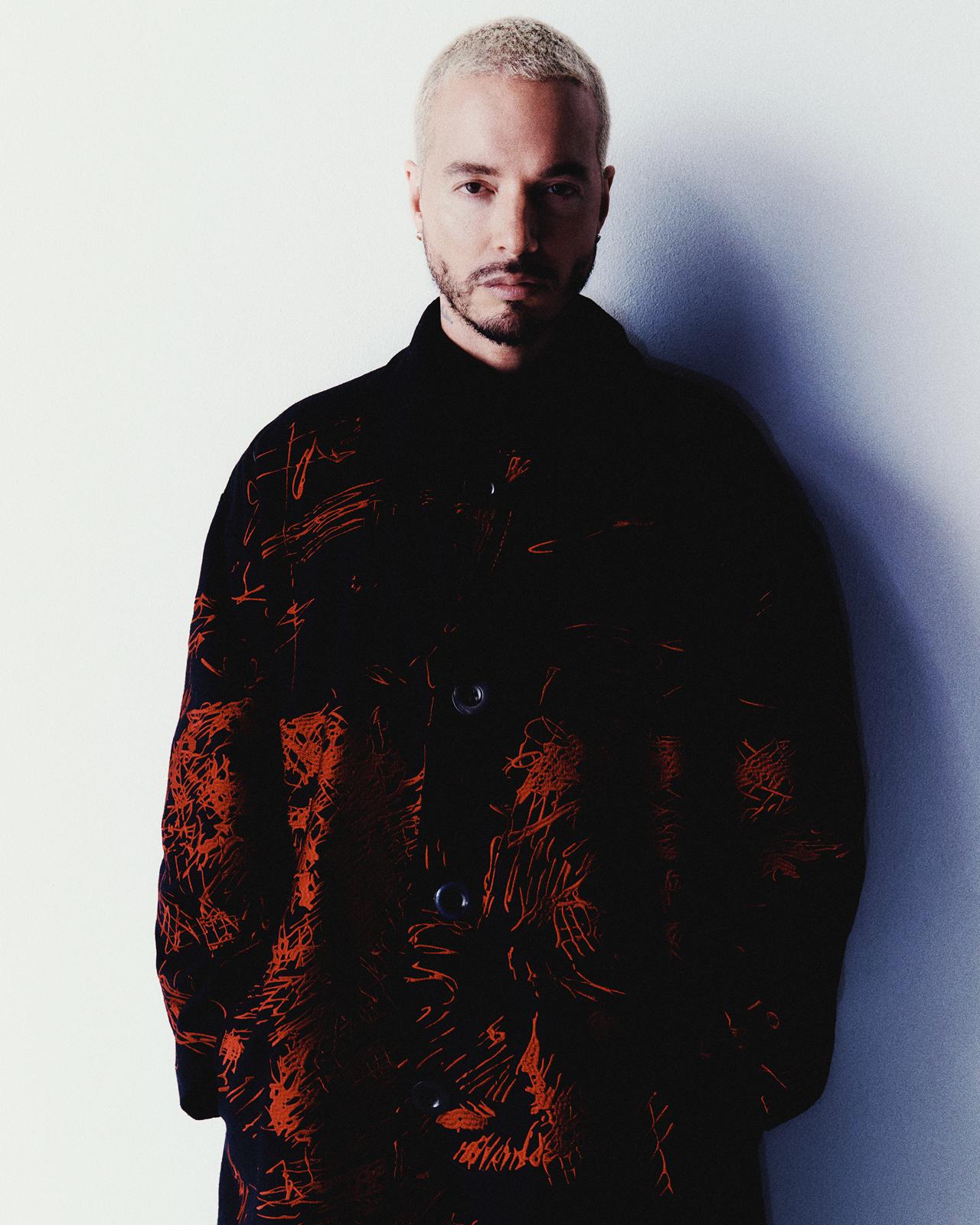
J Balvin (J Balvin), born Jose Alvaro Osorio Balvin (Jose Alvaro Osorio Balvin), was born in 1985 in Medellin, Colombia, and is one of the most influential Latin artists of the contemporary global era. Guinness World Records has recognized him as “a leader of the second-generation reggaeton revolution,” and his worldwide record sales exceed 35 million. Balvin’s upbringing spanned social classes: he was born into an upper-middle-class family, but after his father’s business went bankrupt, the family moved to a low-income neighborhood. This experience enabled him to move fluidly across different social settings and channel that perspective into his music.
Balvin’s professional career began at 19, when he adopted the stage name “J Balvin 'El Negocio'” (meaning “the business”). After an early period of imitation, he gradually developed a minimalist, laid-back personal style. In 2014, with the singles “6 AM” and “Ay Vamos,” he established a firm foothold in the Latin music market; the latter became the first reggaeton track by an artist to surpass 1 billion views on YouTube. He later helped bring Latin music into the global mainstream through albums such as “Energia” (2016) and “Vibras” (2018). In particular, 2017’s “Mi Gente” and 2018’s “I Like It,” a collaboration with Cardi B, not only achieved major commercial success but also solidified his status as a superstar known for high-profile cross-genre collaborations.
In terms of accolades, Balvin has won numerous awards, including 11 Billboard Latin Music Awards and 6 Latin Grammy Awards. He is the first Latino artist to headline world-class festivals such as Coachella, Tomorrowland, and Lollapalooza. Although he frequently collaborates with English-language artists such as Beyonce and Pharrell Williams, he has consistently chosen to sing almost entirely in Spanish, committed to bringing Spanish-language music to global audiences. He is also known for a bold, colorful fashion sensibility, and he once publicly canceled a major performance in protest of discriminatory remarks targeting immigrants, demonstrating his social stance as a public figure.
Entering the 2020s, Balvin has remained highly productive, releasing albums including “Jose” and “Rayo.” He not only holds the record for the most No. 1 singles on the Billboard Latin Airplay chart, but was also named by Time magazine as one of the 100 most influential people in the world. Balvin’s success lies not only in record-breaking metrics, but also in how he has redefined the boundaries of modern Latin pop by fusing reggaeton with electronic, R&B, and other styles.
The Day Master is Ding Fire, born in the Si month at peak season strength. It sits on Wei Earth with roots and support, and Si and Wei form a Fire combination. Although the Hour Pillar is missing, the first three pillars already show a clear pattern of hot, dry Fire and Earth. This is assessed as Shen Wang (a strong Day Master) with an over-heated, over-dry configuration. Ding Fire is often likened to candlelight or a small spark, yet in the summer Si month it becomes extremely intense, like a bonfire under a blazing sun. This energy profile suggests exceptional vitality, a powerful drive to express and perform, and a presence that can feel warm, dazzling, and at times forceful. Its greatest strengths are sustained creativity and strong emotional contagion, as if the fuel never runs out. The challenge is overheating: impatience, anxious overactivation, and a lack of the cooling, moistening qualities that bring steadiness and calm.
The structure favors Shi Shang Xie Xiu (Output draining to reveal talent). The first Useful Element is the Year Branch Chou Earth (moist earth), which can dim Fire and generate Metal. Metal (the Wealth star) is welcomed to circulate and refine the chart, while Wood and Fire that further amplify the heat are less favorable. For a strong Ding Fire, the main risk is bottling energy up; it needs an outlet. Here, “Earth” (Food God / Hurting Officer in the Shi Shen (Ten Archetypes) system) represents the channel of release: showing talent, artistic expression, and the performance platform. The key is the Year Branch “Chou Earth,” because it is moist earth. It can both carry Fire’s power into tangible results (monetizing talent) and cool the excessive dryness (supporting emotional regulation). This helps explain why a high-intensity performance career is not merely a livelihood for him, but also a primary way to vent surplus inner energy and maintain personal balance.
The Heavenly Stems show Yi and Xin in direct clash, forming a variant pattern often discussed as Xiao Yin Duo Shi (Indirect Resource overriding Output) or Cai Huai Yin (Wealth undermining Resource). On the Earthly Branches, Si and Wei combine toward Fire, and Chou and Wei are in clash. This combination shapes a deeply contradictory psychological baseline: Yi Wood (Pian Yin, Indirect Resource) points to sensitivity, intuition, and an inner spiritual or reflective world; Xin Metal (Pian Cai, Indirect Wealth) points to desire, commerce, and real-world achievement. Their clash suggests recurring tension between “inner meaning” and “outer success.” In decision-making, he may swing between extreme pragmatism and intense internal rumination. While uncomfortable, this inner friction can also be an artistic engine, pushing him to break conventions and transform private pain into music that resonates with a wide audience.
The chart carries double Hua Gai (Solitary Arts Star), the Day Branch holds Yang Ren (Edge of Strength) alongside Hong Yan (Allure/Romance Star), and there is a Chou-Wei clash (Chou Wei Xiang Chong). Hua Gai is associated with artistic gift and a sense of aloneness; doubled Hua Gai suggests that even within the noise of the entertainment world, he may often feel internally isolated, and may develop interest in religion or spirituality. Yang Ren paired with Hong Yan can confer striking stage magnetism and a near-fervent persistence, while also increasing the likelihood of emotional surges and psychological pressure points if the system overheats. The Chou-Wei clash is a “storage” clash, often read as instability around foundations (such as family patterns or inner security). This very instability can become a driving force for constant movement and global expansion of one’s career, aligning with Yi Ma (Mobility Star) themes.
Ding Fire is gentle at its core, bright and warming within. Yet when born in a summer month with Fire and Earth intermingled, it presents a “lamp in daylight” quality, often accompanied by Shang Guan Xin Xing (Hurting Officer temperament). Ding Fire is naturally soft like candlelight, but against a backdrop of strong Fire it becomes sensitive and intensely reactive. His thinking tends to be fast, leaping, and divergent; his emotional needs are high, craving attention while also longing to be understood. In a supportive environment he can be warm and compassionate; under stress or imbalance, the hot, dry Fire-Earth dynamic can tip into compulsive anxiety and pronounced emotional highs and lows. He is like a flame that must keep burning to sustain its sense of existence; stopping can feel like suffocation.
Shi Shang Sheng Cai (Output generating Wealth) is powerful in momentum. Chou Earth acts as a Metal vault (a Wealth storehouse), indicating highly efficient energy conversion. In this chart, abundant Fire (personal drive) is routed through Earth (music, rhythm, expression) into Metal (commercial value). This smooth conversion pathway is a key metaphysical basis for his rise as a global reggaeton figure. He shows natural advantages in rhythmic instinct, melodic creation, and reading collective emotion. Output stars also symbolize innovation and breaking tradition: he is unlikely to be satisfied with a purely local market, and is inclined to seek a wider stage (the Chou Wealth vault) for releasing his energy, helping propel Latin music into the global mainstream.
The Yi-Xin stem conflict weakens the Resource star (Yin Xing Shou Sun), and the imbalance between dryness and moisture reduces effective climate regulation (tiao hou). This is the chart’s most notable vulnerability. Resource stars relate to mother/support, protection, psychological stability, and sleep. Here, the Resource is pressured by Wealth and also drained by strong Fire, implying that the defenses of the “inner home” are comparatively fragile. This aligns with recurring tendencies toward depression and anxiety. Major commercial success (Wealth) may coincide with significant mental wear (Resource being compromised). A key personality challenge is difficulty with self-soothing; he may rely on external validation or material feedback to fill an inner vacancy, and when that feedback drops, his psychological boundaries can feel easier to breach.
J Balvin’s chart reads like a “wild song of blazing fire.” The central theme is an ongoing negotiation between burning and cooling. As a Shen Wang (strong Day Master) Ding Fire, he is unlikely to thrive in an ordinary, steady life; his gifts are realized through intense output on stage. At the same time, over-burning continually tests his inner stability. Much of his life work is, in effect, a search for that “moist earth”: how to find inner quiet and balance amid noise, fame, and competition. His achievements are fueled by this restlessness, while his recovery and long-term well-being depend on learning how to cool himself at the height of brilliance, and to hold loneliness with acceptance rather than escaping it.
Zheng Cai (Direct Wealth) appears on the stem; Shang Guan (Output/Creative Expression) generates wealth. In this phase, Zheng Cai points to a stable family financial base, while Shang Guan signals early signs of talent and an active, curious mind. For the native in early childhood, this suggests being born into a well-off household; the father’s career momentum (as indicated by the wealth star) is at a high point, providing strong material support and a favorable environment for growth.
The wealth star is well-rooted; Earth and Metal mutually support. In metaphysical terms, the wealth star is not only about money; in youth it also reflects the father’s fortunes. Geng Metal supported by Chen Earth indicates rapid expansion of the older generation’s business footprint during this period. The native enjoys abundant resources; this early experience of affluence later underpins a refined taste for fashion and the arts at a subconscious level, while also setting up a potential psychological contrast if the family finances later fluctuate.
The wealth star weakens the seal; playful and high-energy. When the wealth star is excessive, it can restrain the seal star, which represents education, steadiness, and quiet focus. This suggests that young J. Balvin is bright and quick, but not the stereotypical bookish “model student”; he is more inclined to explore the outside world, showing a mischievous streak and strong curiosity about new stimuli (such as music and pop culture).
Heavy Earth buries Metal; Fire qi is drained. Chen is damp Earth; it can temper Fire and nourish Metal, but an overabundance of Earth can over-consume the Daymaster Ding Fire’s vitality. Fire corresponds to the cardiovascular system and the eyes; pay attention to vision care and avoid dispersing energy too widely, which can lead to low stamina, as well as minor digestive or gastrointestinal discomfort.
Shi Shen (Artistic Output) releases brilliance; Mao–Wei form a partial Wood combination. Shi Shen represents the outward flow of talent and the desire to express, while the Wood formation in the branches relates to Pian Yin (Indirect Seal), pointing to non-traditional learning and artistic inspiration. This decade is a difficult transition from a privileged upbringing to an artistic path; family financial turbulence (the father’s bankruptcy) pushes him to rely on Shi Shen (skills) for a new way forward, and Pian Yin draws him toward alternative cultures such as rock and hip-hop.
The seal star takes the lead; leaving home for distant places. Pian Yin often comes with solitude and study away from one’s hometown. In this cycle, he goes to the United States as an exchange student—an archetypal expression of Pian Yin: absorbing unconventional cultural nourishment abroad. Although family wealth (the wealth star) is heavily impacted at this stage, it awakens Shi Shen’s survival instinct, prompting him to seriously consider music as a profession rather than merely a hobby.
Xiao Shen (Indirect Seal; “Owl”) overpowers Shi Shen; social isolation. When Pian Yin (also called Xiao Shen) is too strong, it can suppress Shi Shen, leading to inhibited expression or inner pressure. Language barriers in the U.S., experiences of being excluded, and even the kidnapping episode can be read as manifestations of Xiao Shen’s challenging side. Painful as it is, it deepens his emotional range and later provides material for music with tenderness or resistance themes.
Excess Wood blocks Fire; emotional stagnation. Overabundant Wood can make Ding Fire feel constrained; Fire governs vitality and mental brightness. This points to a tendency in adolescence toward low mood, a sense of suppression, or early psychological shadows. Emotional support and healthy outlets are especially important to prevent stress from building into chronic tension.
Shang Guan (Output/Creative Expression) paired with Yin (Seal); Yin–Si form a punishment aspect. Shang Guan signifies rebellion, innovation, and strong stage presence; Zheng Yin (Direct Seal) indicates reputation and recognition. “Shang Guan paired with Yin” is a classic configuration associated with visibility and acclaim, suggesting his rebellious musical style (reggaeton) begins gaining mainstream acceptance. Meanwhile, the branch punishment implies that success may come with significant internal friction—such as heightened anxiety or team conflicts.
Shang Guan generates wealth; both fame and profit. Shang Guan is a source of wealth, indicating income earned through performance and creation. This decade is his takeoff phase, moving from Colombia to the international stage. Shang Guan’s boldness helps him push beyond traditional reggaeton boundaries and create a distinctive “J Balvin aesthetic.” Even as earnings surge, the Yin–Si punishment weakens the Fire root, implying that achievement is built on substantial energetic overdraw.
The seal star protects the self; Gui Ren (Mentors/Helpful People) offer support. Zheng Yin points to elders or industry leaders who provide endorsement and guidance. In this cycle, he gains attention from international superstars and collaboration opportunities. Although Shang Guan traits can invite criticism, the presence of Yin helps him receive understanding at key moments—whether from public opinion or senior figures—and the fan base (also signified by Yin) begins to form on a large scale.
Punishment aspect disrupts the Fire root; Heart Fire runs unstable. Yin–Si punishment directly impacts the Daymaster’s foundation, making Fire qi highly volatile. This corresponds to vulnerability in the cardiovascular system and the nervous system. This is the period when panic disorder and depression become more visible; medical support and practices such as meditation may be needed to steady the internal Fire.
Bi Jian (Peer/Self) sits in a storehouse; Shi Shen generates wealth. Bi Jian strengthens self-definition and indicates heightened peer competition; Chou Earth is a Metal storehouse (a wealth vault). This decade marks a peak, with Shi Shen (artistic output) continuously supporting the wealth star, and wealth entering the vault—suggesting large-scale accumulation. He is not only a singer but also a global cultural symbol (Bi Jian emphasizes the establishment of a personal brand).
Chou–Wei clash; the vault opens and wealth is gained. The decade branch Chou clashes the natal Wei; the more Earth is activated, the stronger it becomes, and the clash “opens” the wealth vault. Professionally, this can manifest as explosive income from world tours and cross-industry fashion partnerships (such as Jordan Brand). Shi Shen indicates a warm, accessible expression of talent; his style becomes more global and universal, and commercial value reaches a high. This is the decade in which his role as a leading figure of the “Latino Gang” becomes firmly established.
Bi Jian brings rivalry and envy; Hua Gai (Solitude/Contemplation Star) enters the chart. Strong Bi Jian also means many competitors and intensifying behind-the-scenes struggles. At the same time, Chou carries the Hua Gai quality, associated with solitude, aesthetics, and philosophical reflection. Despite outward glamour, he may feel a deeper loneliness in relationships and seek resonance on a spiritual level rather than through surface-level socializing.
Damp Earth clouds Fire; vitality is depleted. Chou is damp Earth: it can nourish Metal, but it may also over-drain Ding Fire’s core vitality. This “energy leakage” can show up as being worn down by nonstop work, with tendencies toward chronic fatigue or lowered immunity. Guard against burnout and exhaustion of the heart-mind.
Jie Cai (Resource Sharing/Competitive Peer) resists Qi Sha (Indirect Officer); Water and Fire clash. Bing Fire Jie Cai appears on the stem, suggesting strong involvement from partners or competitors; Zi Water Qi Sha is in season, pointing to heavy external pressure or authority challenges. This decade can be a pivotal transition—from a front-stage performer to a behind-the-scenes controller—or a period of major rule changes in the industry, requiring alliances and strategic networking (Jie Cai) to counter pressure (Qi Sha).
Qi Sha presses the self; seeking status through risk. Qi Sha represents power dynamics and risk. Career goals may shift away from pure popularity toward building decisive influence in the industry or constructing a broader business empire. However, Zi–Wei forms a harm aspect, and Zi also creates a hidden tension with the Fire domain (the Ding Fire “salary” area), implying large financial volatility and high-stakes outcomes in major investments. Avoid blind expansion; manage the risk of business disputes or legal issues (officer/pressure star acting on the self).
Peach Blossom (Charisma/Romance) with pressure; ongoing friction. Zi Water functions as a Peach Blossom indicator and also carries a Qi Sha tone, pointing to complex social dynamics—such as unhelpful romantic entanglements or reputation stress triggered by partners and collaborators. In family life, guard against communication breakdown under work pressure. Jie Cai also hints at potential financial loss connected to siblings or friends.
Water and Fire in conflict; prevent small issues from escalating. Zi Water restrains Bing/Ding Fire; Water–Fire conflict is especially draining. This is a higher-risk decade for health, with emphasis on balancing the cardiovascular system (Fire) and kidneys/urinary system (Water). Emotional swings may be pronounced; reduce extreme workloads and prioritize steady health maintenance to mitigate sudden health incidents.
Officer and seal generate one another; Hai–Mao–Wei form a Three-Harmony Wood frame. Pian Yin (Indirect Seal) appears on the stem, while Hai Water Zheng Guan (Direct Officer) joins the natal structure to form a Wood configuration. Symbolically, this resembles “achieving success and then returning inward”: intense pressure dynamics shift toward steadier governance (Zheng Guan), which in turn supports the seal star (reputation and legacy). This decade is likely to feature him more as a mentor and living legend, focusing on cultural transmission or philanthropy.
Three-Harmony Wood frame; reputation outweighs profit. Hai–Mao–Wei transform what could be restraining officer/pressure forces into supportive seal energy. Career and business become steadier; rather than pursuing explosive growth, the focus shifts to brand stewardship and copyright-based income. Wealth structure moves from active earnings to passive asset appreciation; social standing rises markedly, with potential for lifetime-achievement recognition.
The officer star aligns with the self; family harmony. Zheng Guan reflects responsibility and healthy structure; together with the Three-Harmony configuration, home life trends toward stability. Relationships with children (officer/pressure stars can signify children for a male chart) become closer and more supportive. His social circle may shift from entertainment toward political-business or cultural elites, with connections that are steadier and more dignified.
Wood becomes strong and can block Fire; keep circulation moving. While the Three-Harmony Wood frame can support Fire, excessive Wood without Metal to “prune” may become the pattern of “too much Wood, Fire constrained.” Pay attention to liver and gallbladder care (excess Wood) and potential respiratory issues from qi stagnation. Moderate exercise and maintaining an open, relaxed emotional state are key health priorities in this cycle.
Shang Guan paired with Yin; the tomb-storehouse gathers. Jia Wood Zheng Yin (Direct Seal) appears on the stem, and Xu Earth is a Fire vault. This decade highlights late-life spiritual refinement. Zheng Yin governs thought and reflection; Shang Guan governs expression; Xu as a Fire vault “stores” the Daymaster’s energy. This suggests he may write, teach, or systematize his life philosophy, offering it to later generations.
The seal star protects; enjoying a secure later life. Strong Zheng Yin supports dignity and quality of life in later years. Financially, income comes mainly from accumulated copyrights and investment returns. Xu as a Fire vault also symbolizes a sense of “returning home”: he fully steps into a secondary role professionally, perhaps appearing only on special commemorative occasions, enjoying an industry elder (“godfather”-level) status.
Punishments/clashes with Tai Sui (annual influence); shifts in kinship ties. If triggered by yearly cycles, the Chou–Wei–Xu Three-Punishment pattern can correspond to the passing of peers or family asset-allocation issues. However, prominent Jia Wood Zheng Yin indicates strong moral and spiritual authority within the family, enabling him to handle relational changes well and receive deep respect from younger relatives.
Dry Earth brings friction; strengthen the root and replenish. Xu is dry Earth; when it activates Wei Earth, Fire and dryness intensify. Pay special attention to dry skin, inflammation, and age-related digestive issues (stomach and spleen). Maintain hydration, avoid irritability, and prioritize rest and gentle nourishment.
Wealth nourishes a weakened Qi Sha (Indirect Officer); depletion and drain overlap. Gui Water Qi Sha appears on the stem, and You Metal Pian Cai (Indirect Wealth) is well-rooted. For advanced age, overly strong wealth and pressure forces are not necessarily favorable, often indicating heavy consumption of physical and mental reserves. This decade emphasizes adapting to natural aging rather than pursuing external achievements.
Metal and Water support one another; spending to reduce risk. Pian Cai supports Qi Sha, suggesting sizable expenditures on medical care and health maintenance. Wealth becomes largely a matter of allocation: estate planning or setting up a foundation may become central. Avoid high-risk investments; focus on preservation and charitable giving.
Qi Sha presses the self; guard against troublesome influences. In later life, Qi Sha can show up as an unfriendly environment or complications involving law, tax, or compliance. Rely on professional attorneys or agents to handle affairs. Within the family, prevent inheritance-related disputes by making clear plans in advance.
Cold Metal and Water; protect Yang qi. Excess Metal-Water strongly restrains and drains Ding Fire; in later life, Ding Fire represents the vital “life light.” Watch for sudden cardiovascular or cerebrovascular events, reduced temperature regulation, and joint/bone pains (Metal). Warmth, recovery time, and heart-function support are top priorities.
Ding–Ren transform toward Wood; the officer comes to align with me. Ren Water Zheng Guan (Direct Officer) combines with the Daymaster Ding Fire, and the branch Shen Metal is Zheng Cai (Direct Wealth). In very late life, a Heavenly-Stem Five-Combination carries the symbolism of returning to the source and refining qi. If the physical foundation remains strong, it can indicate a calm, peaceful passing or exceptional longevity; if frail, it may signal a more pronounced “dissolving” of life force.
Wealth and officer both auspicious; a lasting name after life. This cycle functions more as a final summation of one’s legacy. Zheng Guan suggests institutional and historical recognition; Zheng Cai points to the enduring value of cultural assets left behind. His name is likely to be permanently recorded as a milestone in the history of Latin music.
The officer star aligns with the self; spirit endures. The Ding–Ren combination transforms toward Wood, and Wood corresponds to Yin (Seal), converting into spiritual and cultural influence. Physical ties to the material world gradually lessen, while symbolic connection strengthens. Family and descendants live under the radiance of his legacy.
Metal and Water restrain Fire; the lamp runs low. Shen Metal generates Ren Water, strongly checking Ding Fire. This reflects the natural process of life’s flame gradually dimming. Prioritize comfort-focused care and quality of life, allowing the final stage to unfold with calm and dignity.
Tian Ji (Strategy) and Po Jun (Breakthrough/Reset) combination (derived from the chart reading): turbulence alongside intelligence. (Note: In standard configurations Tian Ji and Po Jun do not directly share the same palace; this interpretation follows the input information to read the implied dynamics.) Tian Ji governs intellect and tactical thinking; Po Jun governs disruption and overhaul. This pattern suggests a complex relationship with parents—emotionally distant yet still carrying a form of reliance. It may reflect frequent changes in the early family environment, or parents whose educational approach was inconsistent or highly variable.
The Yi Heavenly Stem triggers Tian Ji to transform into Hua Lu (Benefit). Hua Lu indicates affinity, support, and resources. While Po Jun can bring relational fluctuations, Tian Ji Hua Lu suggests the native can receive strategic guidance or intellectual inspiration from elders or the family line, and may use ingenuity to bridge generational gaps. It also points to “gains arising through change,” implying that early mentors or helpful figures (Gui Ren—Mentors/Helpful People) and their strategic advice played a meaningful role in his rise to fame.
This reflects possible shifts in the home environment during his upbringing, which in turn strengthened adaptability (Tian Ji). His strategic intelligence (Tian Ji Hua Lu) may be significantly shaped by family traits or early educational influences.
Taiyang (Sun Star) in the Life Palace, radiance outward. Taiyang symbolizes the trait of burning oneself to illuminate others—highly expansive and naturally suited to public visibility. This star gives the native a warm, forthright temperament and a strong desire to be in the spotlight. In the entertainment world, those with Taiyang in the Life Palace often aim beyond niche audiences, working to bring local culture (such as reggae) to a global stage. This “all-illuminating” ambition is a core driver behind their rise to fame.
Yi Heavenly Stem pattern: Ji-Liang-Zi-Yin; although the Life Palace has no self-transformations, it is illuminated by Zi Wei (Emperor Star) transforming to Hua Ke (Scholarly Prestige) from the Fortune & Spirit Palace. This structure suggests the native places exceptional value on spiritual and symbolic recognition. Taiyang itself favors status and esteem; combined with Hua Ke from the Fortune & Spirit Palace, it indicates that beyond commercial success, he also seeks to be regarded as a cultural emblem or a spiritual leader—reputation and recognition (Ke) becoming the most nourishing force in his life.
J Balvin’s career vividly reflects Taiyang’s themes of “universal goodwill and expansion.” He broke through language barriers and brought Latin music onto the global mainstream stage. This grand vision of “letting the world see us” is a classic life script for someone with Taiyang in the Life Palace.
Zi Wei (Emperor) and Qi Sha / Pian Guan (Indirect Officer) share the same palace—an “emperor leading the campaign in person.” The Wellbeing/Inner Fulfillment Palace governs spiritual enjoyment and inner pursuits. Zi Wei (the Emperor archetype) together with Qi Sha / Pian Guan (Indirect Officer; warrior-strategist archetype) forms an intensely forceful inner structure, often described as “turning Sha into authority.” The native is deeply proud, ambitious on a grand scale, and unwilling to be second to anyone. This combination can also indicate a lifelong pattern of self-imposed pressure, making it hard to truly rest.
The Yi Heavenly Stem triggers Zi Wei to transform into Hua Ke (Recognition). Hua Ke signifies reputation, honor, and refined spiritual satisfaction. This helps explain the strong attachment to the title “Latin King.” His sense of fulfillment is less driven by money (that belongs more to the Wealth Palace) and more by being publicly esteemed (Zi Wei Hua Ke). For that honor, he is willing to invest enormous effort and intensity (Qi Sha).
This inner configuration cuts both ways: it provides the drive that helps J Balvin reach the top, yet it can also leave him restless and anxious even after major success. He may consistently feel it is never enough and keep looking for the next peak to conquer—an archetypal “industrious emperor” mindset.
Tian Liang (Longevity & Protection) presides here—an auspicious sheltering influence. Tian Liang is associated with elders and protective grace. In the Property & Residence Palace, it often suggests a quiet, understated, even old-world living environment, or a preference for collecting vintage items. It also implies assets with a “legacy” or long-term holding quality, with relatively stable prospects in real estate.
The Yi Heavenly Stem triggers Tian Liang to transform into Hua Quan (Power). Hua Quan points to control, authority, and scale. This suggests the native tends to take a highly leading role in property investment and may readily own large, high-value residences. Hua Quan can also indicate that at home the native holds strong authority and maintains strict standards for the household environment.
With Tian Liang Hua Quan, he is inclined toward properties that feel historically grounded or exceptionally secure. In private life, he may present a more traditional, old-school style that contrasts sharply with his public persona; home becomes a stronghold where he establishes authority and seeks refuge.
Tian Xiang (Upright Support Star) presides—‘the seal of the prime minister.’ Tian Xiang functions like an ‘imprint/support’ influence, associated with assistance, presentation, and standards. In the Career Palace, this indicates work that strongly involves service, representation, or performance. Tian Xiang also governs the “clothing” aspect of daily necessities, suggesting a close tie between career and the fashion industry, and a strong emphasis on maintaining one’s outward image in professional settings.
Tian Xiang is shaped by neighboring influences and values balance. This pattern suggests his career rises less through aggressive disruption and more through building a refined public persona and delivering high-quality entertainment as a service. He tends toward being a polished, respectable leader rather than a rough-edged maverick.
This closely matches J. Balvin’s standing as a fashion icon. His pursuit of color and styling beyond music, and the positive image he conveys through his work, reflect Tian Xiang’s tendency to prioritize harmony and perfection in presentation.
Ju Men (Hidden Speech Star) presides—prone to disputes and misunderstandings. Ju Men relates to what is “hidden” and to “speech.” In the Friends/Networks Palace (Servants/Associates Palace), it suggests that within one’s circle or industry peers, verbal conflicts, misread intentions, or even betrayal can arise more easily. The native may attract troublemakers, or create distance through unguarded wording. This describes a social pattern where controversies tend to recur.
Ju Men highlights obscurity—watch for covert pushback. This configuration advises that within fan communities or peer relationships, rumors and gossip can be a recurring pressure. Although Ju Men can also indicate allies who succeed through eloquence, it more often manifests as public-opinion friction and debate.
This aligns directly with the public disputes (“beef”) in his career involving peers such as Residente. Even if that was not his intention, Ju Men’s field indicates that interpersonal dynamics in his circle may repeatedly touch on verbal turbulence and contentious topics.
Wu Qu (Military-Qu Star) alone, resolute and decisive. Wu Qu is a wealth-oriented star and also associated with a more solitary, no-nonsense disposition. Placed in the Siblings/Peers Palace, it often indicates the native comes across as pragmatic—sometimes even hardline—in relationships with peers and partners. It suggests collaborators around him are highly execution-driven doers, or that he plays the role of a financially controlling, unsentimental “strong hand” within the team.
Wu Qu is Metal in the Five Elements; while not directly triggered by the Four Transformations, it is pulled by annual cycles and timing. In partnerships, the native is more inclined toward interest-based (Metal) alliances rather than relationships maintained primarily through sentiment. This cool, businesslike collaboration style can help build an efficient commercial footprint in a complex entertainment ecosystem.
In music-industry collaborations, this configuration is reflected in his precise, practical choices for features (feat) and business partners. While it may lack a warm, brotherly tone, it tends to form a solid community of shared interests.
Tian Tong (Heavenly Companion Star) presiding—an ease-loving благessing star. Tian Tong represents innocence, enjoyment, and emotional sensitivity. This suggests the native may be drawn to partners who are gentle—sometimes childlike or in need of care. In relationships, he seeks a safe harbor where he can relax and drop his guard, rather than a power-couple dynamic of two equally forceful players.
Tian Tong does not typically transform to Hua Lu (Prosperity), yet it seeks emotional and spiritual resonance in love. This setup implies relationships may begin light and pleasant, but can develop dependency if the partner is overly emotional or lacks decisiveness. For a Taiyang-type native striving outward in the world, this “soft” partnership style can serve as a necessary source of replenishment.
This helps explain why, behind an intense public life, he tends to protect family privacy, and why partners often present as gentle and low-key—providing an emotional buffer away from the spotlight.
Lian Zhen sits in this palace, suggesting sharp discernment and high sensitivity. Lian Zhen is a secondary Peach Blossom (Charisma / Romance) star and also associated with authority and control. When placed in the Children Palace, it not only points to children with a strong-willed temperament and artistic talent, but also symbolizes how the native relates to their “creations” (for an artist, works can be read as symbolic children): meticulous, refined, and deeply personal. He treats each song as a living presence with its own spirit.
Lian Zhen’s qualities are highly changeable and are influenced by challenging stars from the supporting axes. This indicates extreme selectiveness during the creative process and a strong desire to maintain control over the work. Lian Zhen’s “confinement” tendency can draw him into self-entanglement and creative bottlenecks, yet that same persistence is often what gives rise to high-quality artistic outcomes.
In real life, this pattern can show up as strong protectiveness toward his music and rigorous standards. Each album carries a distinctive personal imprint (the self-referential quality of Lian Zhen): not merely a product, but a continuation of his inner “DNA.”
Tian Fu sits in this palace, indicating abundant reserves. Tian Fu is regarded as a Southern Dipper “sovereign” star and is also linked to the wealth repository. This suggests excellent financial management and an ability to retain wealth. Unlike a Sun-type tendency to be more free-spending, Tian Fu in the Wealth Palace supports converting reputation into tangible accumulation while continuing to express talent—steady and well-structured.
Tian Fu is conservative by nature and is associated with ‘virtuous stewardship.’ In acquiring wealth, he tends not to pursue risky or unconventional shortcuts; instead, he prefers durable channels such as building a brand, copyrights, and royalties. This “wealth-vault” signature helps ensure that even during downturns in the entertainment career cycle, he can maintain a comfortable standard of living.
J Balvin is not only a singer but also a successful commercial brand. Tian Fu’s influence highlights a shrewd business mindset in areas like fashion collaborations and endorsements, converting visibility into concrete assets.
Tan Lang (Desire & Charisma Star) presides here—highly adept socially. The Travel/Outward Affairs Palace reflects one’s external image and social finesse. Tan Lang is regarded as the primary Peach Blossom (Charisma/Romance) influence, associated with desire, talent, and networking. This suggests the native presents a highly charismatic, stylish, and even subtly alluring public persona. He tends to navigate complex social settings with ease and naturally draws attention from both admirers and audiences.
Tan Lang emphasizes change and desire. When developing opportunities away from home, he can quickly adapt to different cultural environments and leverage personal charm (Tan Lang’s talent signature) to build a following. This star also points to a sharp sense for fashion and trends, with a willingness to experiment boldly in styling and image-making.
The versatility and adaptability he shows in global touring and cross-boundary collaborations align closely with Tan Lang’s influence. He is not only a singer, but also a moving fashion symbol; this outward-facing, more “flamboyant” image significantly supports his international trajectory.
Tai Yin sits in this palace, associated with water and insight. The Health Palace reflects not only the body but also deeper psychology. Tai Yin represents the Moon, receptivity, and the subconscious. With the Yi Heavenly Stem, Tai Yin is triggered to transform into Ji (obstruction). This is the most pivotal pain point in the entire chart. Tai Yin Hua Ji points directly to inner shadow, anxiety, and depression. When the Moon’s light is veiled, it suggests an inexpressible loneliness and an emotional “black hole” in the deepest layers of the psyche.
Tai Yin Hua Ji (Yi stem): mind-rooted health challenges. Hua Ji indicates a sense of deficit and blockage. Physiologically, it may show as endocrine imbalance or heightened nervous-system sensitivity; psychologically, it aligns with classic signals of depression or anxiety. This heavier current forms a stark contrast with the Life Palace Sun’s outward brightness, shaping a profile often described as “smiling depression.”
J Balvin has spoken publicly about his struggle with depression and anxiety—an unflinching real-world reflection of Tai Yin Hua Ji. The more radiant he appears on stage (Sun), the more privately he may be pulled into emotional depths (Tai Yin Hua Ji).
Generate your personal chart in under a minute. Sign up free and get 30 credits — enough for two or more AI readings. No credit card.
Generate my free BaZi chartPlease sign in to join the discussion
Sign In