Year
Yi
Si
Bi Jian
Jie Cai
Hidden Stems
Bing (Jie)Geng (Zheng)Wu (Shang)
- Star Luck
- Mu Yu
- Sitting Branch
- Mu Yu
- Void
- Yin-Mao
- Na Yin (Elemental Sound)
- Fu Deng Huo
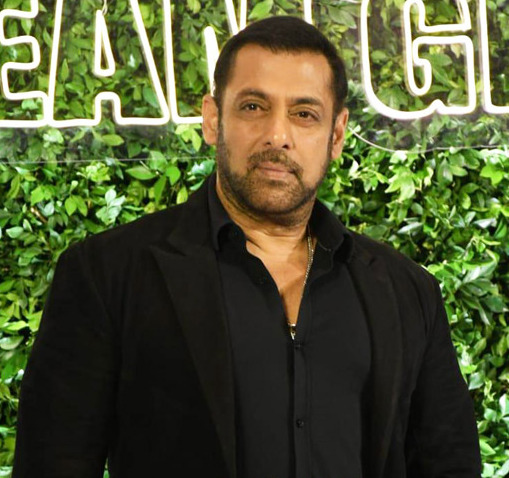
Salman Khan is a renowned Indian actor, film producer, and television host, with a Bollywood career spanning more than three decades. Born in 1965, he is the eldest son of acclaimed screenwriter Salim Khan. Salman Khan made his debut in 1988 and rose to prominence the following year with the romantic drama Maine Pyar Kiya, firmly establishing his place in Indian cinema. During the 1990s, he starred in a number of commercially successful films, including Hum Aapke Hain Koun..! and Karan Arjun, and became a fitness icon in India thanks to his athletic physique.
In the 21st century, his career went through a period of slowdown, but Tere Naam (2003) highlighted the depth of his acting. In 2009, the success of the action film Wanted marked a major turning point. He then entered an era of blockbuster dominance with a string of box-office hits such as Dabangg, Ek Tha Tiger, and Bajrangi Bhaijaan. He also achieved the record of having the highest-grossing Hindi film of the year for ten consecutive years—an accomplishment unmatched among actors. Since 2010, he has hosted the popular reality show Bigg Boss and founded the “Being Human” foundation to support charitable work.
Despite his professional achievements, Salman Khan’s personal life has been accompanied by significant controversy and legal disputes. He was involved in a 2002 negligent-driving case that resulted in a fatality, as well as a 1998 blackbuck-poaching case. In 2015, he was convicted in the driving case but was later acquitted on appeal; in 2018, he was sentenced to five years in the poaching case and is currently out on bail. Known for his distinctive screen presence and complex public image, Salman Khan remains one of India’s most influential and commercially valuable figures in the entertainment industry.
The Day Master is Yi Wood, born in the Zi month (mid-winter). It has seasonal support and sits on Mao Wood at Lin Guan / Lu (Prosperity), with Yi Wood also appearing on the Year Stem to reinforce the self—this points to a strong Day Master structure (a variation of Jian Lu Ge, “Prosperity-Based” structure). This suggests that while the native may present the Yi Wood qualities of flexibility and refinement, the inner drive is powerful—like a deep-rooted vine thriving through winter, with notable endurance. This kind of energetic configuration often brings strong stress tolerance and self-recovery, but it can also show up as stubbornness and self-referential decision-making, making it harder to accept advice—creating a paradoxical impression of being both gentle and unyielding.
For Yi Wood in a winter month, the cold is pronounced; priority is given to Bing Fire to regulate the climate (warming the chart), followed by Wu Earth to restrain Water (channeling and stabilizing). In Bazi, climate regulation (tiao hou) reflects how supportive the “environmental conditions” are and how easily one can access a stage to display talent. Bing Fire, often likened to “sun fire,” not only warms cold Wood but also corresponds to visibility, reputation, and performance. Fire does exist in the chart (Si Fire in the Year Branch), yet it is pressured by cold damp influences—implying that recognition tends to come through intense personal output and sustained “burning fuel,” especially via entertainment/performance-oriented pathways. Earth, as Cai Xing (Wealth Star), acts like a dam that banks Water, indicating that building financial stability can function as an important anchor for a sense of safety.
The chart shows repeated Bi Jie (Peers/Companions), with Bi Jian (Peer) notably strong, while the Wealth Star appears somewhat “floating” (the Month Stem Wu Earth lacks strong rooting). There is also an implicit interplay of Shang Guan with Yin (Resource). Strong Bi Jie often indicates someone who highly values brotherhood and social circles—frequently a “lead figure” among friends—yet it can also correlate with spending for friends or being drawn into disputes through the network. A floating Wealth Star suggests money can be substantial but highly liquid, with patterns of big inflows and big outflows, making it harder to retain. Shang Guan (Expressive Output; technically: Hurting Officer) signals rebellious creativity and talent, while Yin Xing (Resource) relates to protection, credentials, and public legitimacy; their quiet push-and-pull can produce a public image where “bad-boy edge” and “philanthropic respectability” coexist.
The chart carries double Xian Chi (Peach Blossom; charisma/romance) in Zi and Mao, and the Day Branch Mao with the Month Commander Zi forms a Zi–Mao Xing (penalty), traditionally categorized as a “discourtesy” type. Strong Peach Blossom energy is often a key ingredient for top-tier star appeal, granting magnetic charisma and strong audience affinity. However, when this penalty lands on the Day Branch—commonly read as the intimacy/relationship palace—it can suggest weaker boundary management in close relationships, or a higher likelihood of betrayal, entanglements, and disputes. Emotional life may therefore be accompanied by controversy, impulsive choices, and at times complications that spill into formal rules or legal processes—an interpretive theme that closely echoes repeated relationship storms and litigation episodes in his lived narrative.
Yi Wood as the Day Master sitting on Lu (Prosperity) tends to be soft on the outside yet firm within, blending Yin Xing (Resource) sensitivity with Bi Jie (Peers/Companions) loyalty. His baseline temperament can resemble a vine wrapping around a tall tree: outwardly agreeable and compassionate, yet inwardly proud, with a strong need to steer outcomes. Cognitively, emotion tends to lead, and “loyalty” is often treated as a near non-negotiable principle. Under pressure, he may not “snap” head-on like Jia Wood; instead, he can display striking resilience and counter through indirect, strategic routes. In comfort zones, this same pattern may tilt into childlike willfulness and an overreliance on those close to him.
Within the Year Branch Si, the presence of Bing Fire expressed through Shang Guan is the chart’s most eye-catching “refined brilliance.” In a winter-heavy Bazi, this flame is a primary source of vitality. It points to innate performative drive, artistic perception, and rule-breaking creativity. This talent is less about painstaking training and more like an instinctive release. In entertainment, performance, or any arena requiring personal magnetism, this warming power can quickly make him the focal point—because audiences, on a subconscious level, are drawn to warmth, light, and visibility.
A central tension is that excessive Water and Wood can produce an “overprotected child” dynamic, alongside Bi Jie competing with Cai (Wealth). Over-strong Water (as Yin Xing / Resource) can indicate abundant protection or indulgence from elders or the environment, which may inadvertently limit maturity—making him appear naive or rash when navigating complex social structures, especially rules, boundaries, and legal frameworks. Bi Jie contending for wealth suggests a lifelong theme of wrestling with “sharing”—whether through third-party intrusion into relationships or the division of assets/resources. This competitive backdrop can keep him in a defensive stance, making it harder to build long-term, steady intimacy (including marriage).
Cold Wood seeks the sun: deeply rooted and flourishing, yet often pulled into recurring relationship trials and public controversies. Salman Khan’s trajectory reads like a classic blend of “hero” and “rogue.” His achievements draw on formidable vitality and an instinctive pursuit of Fire themes (visibility and reputation), while the chart’s stubborn streak and penalty/injury signatures suggest a tendency to test boundaries around relationships and rules. Rather than a uniformly smooth life, his path more often appears as a delicate, sometimes fragile balance maintained amid ongoing debate, pressure, and applause.
In this phase, Shi Shen (Output/Creativity Star) expresses itself, and Hai–Mao forms a partial Wood combination. Shi Shen points to the outward expression of talent and a desire to perform, while the Earthly Branch Hai (Water) partially combines with the Day Branch Mao (Wood), strengthening the native’s overall vitality and personal presence. These ten years are a fertile period for storing energy and letting talents begin to sprout. The Heavenly Stem Ding (Fire), as a warming fire source, helps regulate an otherwise cold winter chart—suggesting that even in youth there is an uncommon spark and liveliness. Although the external conditions (Water) remain demanding, inner talent (Fire) has already begun to glow.
Yin (Resource Star) supports the self; Shi Shen releases refined output. Yin represents support from elders and access to learning resources, while Shi Shen guides early interest exploration. Coming from an entertainment family becomes a key advantage in this cycle: family resources (Yin) provide strong nourishment, and Shi Shen energy leads to early exposure to script work and performance. This is not yet a direct wealth-building stage; rather, it accumulates the “momentum” and skills needed for a later breakout through family influence and practice.
Hai–Mao partial combination; a Bi Jie (Peer/Companion) dynamic takes shape. The combination among Earthly Branches strengthens Bi Jian (peers—friends, siblings), indicating an early emphasis on loyalty and a circle of companions or “brotherhood.” This strong group identity foreshadows a later “big-brother” persona in the industry, with social life leaning more toward group-based activity than going it alone.
Strong Water, weaker Fire—seasonal balancing is urgent. Even with Ding Fire present, Hai Water remains powerful, hinting at a tendency for “water to dampen fire.” In youth, pay attention to potential issues involving eyesight and the cardiovascular/blood-circulation system. Excess Water can also correlate with emotional sensitivity and changeability; regular exercise helps channel surplus energy.
Shang Guan (Creative Expression; technically: Hurting Officer) shows clearly; the Fire vault contains Water. Bing Fire Shang Guan stands prominent in the Heavenly Stems, like the sun illuminating Yi Wood born in cold winter—often read as a sign of visibility and recognition. Shang Guan signifies breaking conventions, personal charm, and a rebellious kind of talent. Xu (Earth) functions as a Fire storehouse: it both contains excessive Water and, as a wealth storehouse, stabilizes the foundation. These ten years mark a bright starting point, with the native quickly gaining a foothold in entertainment through distinctive charisma and a slightly defiant image—like cold wood turning toward the sun, full of life.
Shang Guan generates wealth; wealth returns to the storehouse. For performers, Shang Guan is often favorable—talent converts into strong fame, which then supports Xu Earth (Zheng Cai, Direct Wealth). In 1989 (Ji-Si), the breakout success of Maine Pyar Kiya reflects a strong resonance between this decade’s Fire/Earth emphasis and the year’s flow. Career moves from relative obscurity to sudden stardom; wealth rises with fame. With Xu as a wealth vault, this decade also tends to accumulate substantial foundational capital.
Shang Guan meets Guan (Officer); Peach Blossom enters the vault. Shang Guan benefits talent, but can also show a free-spirited temperament that challenges norms. In love, Shang Guan generating wealth can bring strong romantic appeal, yet Xu Earth binds the Day Branch Mao (Mao–Xu combining toward Fire). Such combinations can indicate passionate yet controlling dynamics: relationships may be frequent and high-profile, but harder to stabilize when both sides are strong-willed.
Dry heat of Fire and Earth; Wood vitality gets scorched. Bing Fire strongly draws from Yi Wood. It can produce fame, but also consumes stamina. With the irregular schedule of entertainment work and youthful intensity, the liver–gallbladder system (Wood correspondence) may be overtaxed. Also guard against impulsivity (a Shang Guan trait) leading to accidental physical injury.
Mao–You clash; Qi Sha / Pian Guan (Indirect Officer) attacks the self. This is the most turbulent and high-risk decade. The decade branch You (Metal; Qi Sha) directly clashes with the natal Day Branch Mao (Wood; Lu Shen, Vitality Star), forming a strong “heaven-and-earth conflict.” Qi Sha relates to law, pressure, coercive forces, and intense constraints; Lu Shen relates to the body and one’s base. When the base is struck, it often signals drastic environmental changes, legal entanglements, and extreme mental pressure. In these ten years, glory and scandal can coexist, with highs and lows separated by a thin line.
Bi Jian (peers) resists Qi Sha; seeking wealth through risk. The Heavenly Stem Yi Wood Bi Jian appears, suggesting reliance on friends, allies, or “brothers” to collectively withstand the pressure of Qi Sha. Career output may remain strong at times, yet repeated legal disputes tied to impulsive triggers (e.g., the 1998 blackbuck case and the 2002 traffic incident) can heavily drain both finances and reputation. Wealth may still grow, but with lawsuits and compensation (Qi Sha consuming wealth), it can feel unstable—money in with one hand, out with the other.
Metal and Wood in conflict; the palace becomes unsettled. The Day Branch is the spouse/partnership palace; being forcefully struck by You Metal often correlates with fractured relationship life. The well-known relationship with Aishwarya Rai ending amid intense conflict mirrors a classic relational projection of the Mao–You clash—arguments, volatility, and instability. Qi Sha pressing the self can also make the temperament more irritable, increasing the likelihood of clashes with media and peers.
Metal cuts Wood—tendons and bones are vulnerable. Mao Wood corresponds to liver/gallbladder, limbs, and the nervous system; being “cut” by You Metal raises the likelihood of traffic accidents, falls, injuries, or surgeries (Metal–Wood conflict). Psychological stress is heavy, with a tendency toward anxiety or insomnia. Avoid alcohol abuse or emotional blowups that could lead to physical collapse.
“Vines cling to Jia”—Guan (Officer) and Yin (Resource) support each other. After the intense clashes of the previous decade, Jia Wood (Jie Cai, Competitive Peer) appears in the Heavenly Stems, allowing the Yi Wood Day Master to “lean on” a larger tree—often read as finding a powerful backer or building a solid team (the “Bhai” image becomes established). The branch Shen Metal is Zheng Guan (Direct Officer): it still restrains the self, but with Shen–Zi forming a partial Water combination (Yin/Resource), the pressure of authority transforms into status and prestige. This is a reconstruction period—shifting from “bad boy” to “industry godfather.”
Jie Cai boosts momentum; Zheng Guan provides protection. Jie Cai reflects mobilizing a fan base and consolidating industry networks, while Zheng Guan signals broader social recognition. Establishing the “Being Human” foundation (Jie Cai dispersing wealth to gather people) helps repair public image. On film, the success of Wanted and Dabangg marks an unshakable box-office pull. The wealth model shifts from pure acting fees to brand premium and capital operations; expenditures can be large under Jie Cai, but earnings can scale higher.
Shen–Zi combine into Water—turning adversaries into allies. The combination among branches softens earlier clashes, and relationships trend from confrontation to smoother coordination. As a “big brother,” he begins supporting younger talents (a Jie Cai expression), building his own circle within the industry. In romance, while Zheng Guan suggests steadiness, Jie Cai in the stems still implies competition and instability; a “single aristocrat” stance may continue, with rumors becoming more manageable.
Water combination moistens Wood; cold-damp increases. Shen–Zi Water eases Metal–Wood conflict but amplifies the chart’s cold-damp quality. Pay attention to rheumatic tendencies, joint discomfort, and kidney/urinary maintenance. With age, metabolism slows; Water excess can correlate with puffiness or weight gain, so consistent fitness is helpful to sustain yang vitality.
Hai–Mao–Wei form a three-harmony Wood frame; Pian Yin (Unconventional Resource) nourishes the self. Wei Earth, together with Mao Wood in the natal chart and Hai Water from annual influences or auxiliary factors, can form a strong Wood configuration. This decade often marks the peak of authority and influence. Pian Yin signifies distinctive artistic perception and a non-mainstream kind of prestige; Wei, as a Wood storehouse (a Peer vault), suggests becoming a spiritual leader or unquestioned core figure in the industry. Wood energy reaches a high level, making it easier to handle high-difficulty commercial blockbusters.
Pian Cai (Indirect Wealth) enters the vault; a strong self can carry wealth. Wei Earth functions as Pian Cai and also as a root storehouse for Wood. When the self is strong, wealth is easier to manage—this becomes a prime period for monetizing commercial value, with repeated box-office records (e.g., Bajrangi Bhaijaan). Under Pian Yin, project selection becomes more discerning, often bringing high ROI. Wealth accumulation can reach an ultra-affluent tier, and with supportive combinations among branches, it tends to be relatively stable and sustainable.
Peers form a strong combination—center of attention. The three-harmony Wood frame strengthens Bi Jie (peers), often indicating a constant entourage and intense fan support. Yet excessive Bi Jie can also point to strong self-focus, making it hard to fully accommodate a partner in intimate relationships—connection without lasting union. Wei can also carry the Hua Gai (Solitude/Artistic Star) quality, hinting at a private sense of loneliness despite outward bustle.
Wood restrains Earth—digestive weakness. Overabundant Wood can overcontrol Wei Earth (spleen/stomach correspondence). Even if the exterior looks robust, digestive function may weaken. Guard against chronic stomach issues from long-term high-intensity work. Wei Earth can also be dry-warm; watch for skin sensitivity or inflammatory tendencies.
Zi–Wu clash; Water and Fire seek balance. The decade branch Wu Fire (Shi Shen, Output/Enjoyment) clashes intensely with the natal month branch Zi Water (Yin/Resource). This Water–Fire opposition signals friction between thinking and action, and between old patterns and new environments. Wu Fire can indicate later-life creativity and enjoyment, yet being clashed by Resource suggests transitional strain—potentially a health warning or a forced shift in career focus.
Shi Shen is constrained; reputation takes pressure. Shi Shen is a source of wealth creation, but being clashed by strong Water suggests declining traditional box-office pull or projects meeting policy/public-opinion resistance (Resource restraining Output). It is wiser to avoid blind expansion and pivot toward producing, behind-the-scenes roles, or philanthropy. Financially, guard against misjudgments or contract/document issues (a Resource-related theme) that could reduce assets.
The pillar is shaken; home life feels unsettled. When the month pillar is clashed, it often relates to elders’ health or shifts within the family structure. Emotionally, Wu Fire can carry Peach Blossom (Charisma/Romance) themes, and the Zi–Wu clash can manifest as reputation-sensitive rumor cycles or a profound sense of emotional loss later in life. In social ties, misunderstandings of “good intentions not being appreciated” may occur.
Water–Fire conflict; Heart and Kidney out of sync. This is the decade requiring the most vigilance for health. Zi Water clashes Wu Fire: Wu corresponds to heart, eyes, and blood; Zi corresponds to kidneys. Risk can rise for cardiovascular issues, hypertension, or eye conditions. Reduce late nights, keep emotions steady, and avoid overly intense cardio that may overload the heart.
Shang Guan controls Qi Sha; Fire and Metal in conflict. Xin Metal Qi Sha / Pian Guan (Indirect Officer) appears in the Heavenly Stems, while Si Fire Shang Guan is strong in the Earthly Branches. This is a complex pattern often described as “over-controlling authority” or “Shang Guan meeting Guan.” In later years, it can show a tough, unyielding temperament—still unwilling to age—trying to maintain influence through more aggressive means, often accompanied by controversy. It resembles a veteran hero’s final stand: courage remains, but the environment has changed.
Qi Sha is floating; Shang Guan over-drains vitality. In career, Qi Sha lacks stable rooting and is restrained by Fire, so power and prestige may be gradually hollowed out. Excessive Shang Guan output can drain energy, making large-scale entertainment work harder to sustain. Financially, a conservative stance is best; avoid high-risk speculation. The Shang Guan–Guan combination can easily attract disputes and public criticism, increasing the chance of losses in later life.
Too many words invite missteps; standing apart in one’s own pride. Shang Guan temperament in later years can become talkative, picky, or stubborn, creating distance with younger generations or partners. Qi Sha in the stems can create an invisible sense of pressure for others, possibly leading close people to drift away. Personal cultivation helps—using patience and compassion to soften harshness.
Flaming Fire and dry Earth; lung qi becomes vulnerable. Si Fire can penalize Shen Metal (hidden stems), and strong Fire can “melt” Metal. Xin Metal corresponds to lungs and the respiratory system; guard against respiratory illness, pneumonia, and decline in teeth/bone strength. Excess Fire also correlates with inflammatory tendencies; spending time near water can help regulate body and mind.
Yi–Geng harmonizes; the Officer Star unites with the self. Geng Metal Zheng Guan (Direct Officer) combines with Yi Wood Day Master in the Heavenly Stems, a gentle “returning to one’s roots” image. A late-life combination often signals reconciliation with the worldly sphere—less pursuit of fierce competition and fame, and more likelihood of receiving official recognition or a lifetime-achievement honor. Chen is damp Earth that can nurture Wood roots; these ten years trend toward calm and stability.
Zheng Guan protects the self; wealth returns to the vault. Rather than actively creating new wealth, one is more likely to live on accumulated royalties and investment income. Yi–Geng can indicate reputation becoming solidified (whether or not it fully transforms), and may align with receiving national-level honors. Wealth mainly shows as family-asset inheritance planning and distribution.
Guan and Gui (honor/mentors) accompany—warm, steady bonds. Combination signifies harmony: later-life relationships improve, with support from Gui Ren (Mentor/Helpful People) and filial respect from younger generations. Zheng Guan represents tradition and order; daily rhythm becomes regular, the family atmosphere more harmonious, and past grudges feel like passing clouds.
Earth generates Metal—qi and blood gradually decline. Chen Earth can nourish Wood, but Geng Metal above still restrains Wood, leaving some lingering concern around the liver–gallbladder system. Focus on common aging issues such as osteoporosis or nerve pain. Overall, it is considerably steadier than the previous two decades and suits rest and recuperation.
Wealth star appears lightly; Lu returns to the self. Ji Earth Pian Cai (Indirect Wealth) appears in the Heavenly Stems, while Mao Wood is the Day Master’s Lu position in the Earthly Branch. This is a phase of life-force returning to its source. Lu Shen relates to the body; at this age, strong Lu suggests resilience, while also hinting at “wealth coming and going” through end-of-life arrangements. These ten years serve as a final integration of the inner spiritual world.
Bi Jian competes for wealth; giving to benefit society. Mao Wood restrains Ji Earth—classically read as “Bi Jie competing for wealth.” In later years, a large portion of assets may be donated to charity or allocated within the family. Material wealth may hold little practical meaning; preserving spiritual legacy becomes more important.
Lu rooted in the earth; old friends fade. While Lu indicates clear self-awareness, peers of the same generation (Bi Jian) gradually pass on, and loneliness may naturally arise. At this stage, “relationships” increasingly become a dialogue with oneself and with faith or guiding beliefs.
Wood and Earth in conflict—returning to dust. Extremely strong Wood can exhaust Ji Earth, indicating a full decline in spleen/stomach function and weakened digestion and transformation. This follows the natural rhythm of life; allowing things to unfold naturally is appropriate.
Tai Yin (Moon) presides, often described as "one’s rise or fall tied to yin/feminine factors." Tai Yin relates to women, receptivity, and subtle influence. In the Friends/Associates Palace, it suggests strong ties with female friends and with subordinates. However, when Tai Yin is weakened or meets harsh factors, it can indicate a “gentle blade” scenario—being undermined or dragged down behind the scenes by a close woman or by subordinates.
In a Yi year, Tai Yin transforms into Hua Ji (Transforming into Obstruction), the biggest hidden risk point in the entire chart. Hua Ji points to entanglements, disputes, and delays. With Tai Yin Hua Ji entering the Servants/Subordinates Palace, it strongly suggests major trouble arising through women (such as an ex-girlfriend) or subordinates (such as a driver or bodyguard), potentially escalating into legal disputes or serious reputational damage. This indicates a recurring pattern of disruptive interpersonal entanglements.
This aligns closely with the biggest crises in his life: the public-opinion storm triggered by allegations from an ex-girlfriend, and the well-known hit-and-run case involving complicated testimony connected to a driver. Tai Yin Hua Ji suggests that trust in others may too often be met with betrayal; women and subordinates can become an Achilles’ heel in his life path.
Tian Fu (Wealth Repository Star) presides here, suggesting a well-supported and well-provisioned "benefits when away from home" pattern. Tian Fu is a Southern Dipper treasury star, associated with holding and managing resources. In the Travel/Relocation Palace, it indicates that the native presents a steady, well-resourced, and accommodating image in public settings or when away from their home base. Outside (or under public visibility), they may come across more like a generous, elder-like figure, and are more likely to receive external support and access to resources.
Although Tian Fu does not participate in the Four Transformations, as a repository star it stabilizes the volatility of Zi Wei and Qi Sha (Indirect Officer; technically: Qi Sha (Indirect Officer)). When the native steps out into the world, Tian Fu’s tone makes them appear composed and unhurried. This is an excellent configuration for public relations: even if they are privately hot-tempered, they can still maintain a dignified, "top-tier" presence in front of the public.
This helps explain why, despite being surrounded by scandals, they can remain remarkably resilient in the eyes of the public and fans. Tian Fu’s “repository” quality gives them an inherent aura of resources; wherever they go to film or attend events, they are likely to receive VIP-level treatment, and others may view them as a walking hub of connections and resources.
Tan Lang presides alone, an intensified expression of the Sha–Po–Lang (Tan Lang–Qi Sha–Po Jun) pattern. Tan Lang is the foremost Peach Blossom (Charisma / Romance) star and is linked to desire, versatility, performance, and social navigation. In the Career Palace, this is a classic “born entertainer” configuration. Tan Lang excels at networking and seizing openings in highly social, opportunity-driven environments, giving the career a strong speculative and competitive edge.
Influenced by the Zi Wei Hua Ke (Transforming into Recognition) from the Life Palace, Tan Lang’s desire gets reframed as “charisma.” Tan Lang dislikes monotony and tends to thrive only in fast-changing, high-competition arenas (such as the entertainment industry). This setup brings strong career adaptability—able to play both the tough hero and the romantic lead—rising through personal magnetism rather than relying solely on technical skill.
Salman Khan’s career trajectory closely matches Tan Lang’s signature: rising through looks and charisma, then flourishing through action roles and a wild, high-voltage persona. Tan Lang also points to controversy driven by desire; his career is often accompanied by rumors and publicity maneuvers, yet he frequently manages to convert them into box-office pull.
Ju Men (Hidden Gate; technically: Giant Gate) presides here, highlighting 'domestic disputes at the threshold' and a 'secluded, inward home.' Ju Men is a shadow-type star, associated with speech-related friction and misunderstandings. In the Property & Residence Palace, it suggests the household may often experience arguments, or that relations with neighbors can be tense. It can also indicate a residence that is tucked away, dimly lit, or located near noisy areas (such as markets or busy intersections). Ju Men may further imply that the origins of property or assets could be accompanied by debate or controversy.
Ju Men is associated with the Water element and is highly sensitive to annual Four Transformations. With Ju Men in the Property & Residence Palace, the native often prefers the home to function as a 'shelter,' with strong privacy boundaries and little desire to have outsiders look into personal life. Yet because Ju Men governs the 'mouth' (speech), private family matters can be more easily exposed, which may reduce the sense of peace within the home.
This aligns with his long-term residence in a compact unit at Galaxy Apartments: despite considerable wealth, he does not relocate, which matches Ju Men’s themes of 'hiddenness' and 'conservatism.' At the same time, his home is surrounded year-round by fans and media (noise and commotion), and private household matters (such as family meetings) often become public talking points.
Tian Xiang (Prime Minister Star; refinement and balance) presides here, emphasizing 'taste and comfort' and 'surface-level equilibrium.' Tian Xiang carries qualities of support and stewardship, valuing propriety, justice, and material enjoyment. In the Well-Being (Fu De) Palace, it suggests an inner pursuit of fairness and strong aesthetic sensibilities; psychologically, the native may rely on recognition and praise to maintain emotional balance. Sloppiness or perceived injustice can be particularly difficult to tolerate.
Tian Xiang is strongly affected by patterns such as 'Xing/Ji flanking the Seal' or 'Wealth/Protection flanking the Seal.' The native’s inner state is highly environment-dependent: when Tian Xiang is well-supported, it can express as pronounced charitable inclination (Being Human); when circumstances deteriorate, it may tilt toward performative virtue or the pain of inner imbalance. A key source of happiness comes from 'playing the good person.'
Tian Xiang’s traits help explain his sharp sense of fashion and persistent commitment to philanthropy. On a psychological level, he may need to validate his worth through 'giving' (the Prime Minister archetype of assisting and supporting). This need to uphold a 'just and benevolent image' can be one of his strongest internal drivers.
Tian Liang (Canopy Star; protection and the 'strict father') presides here, highlighting 'sheltering support' and 'stern parental influence.' Tian Liang is associated with longevity and protective blessing, often indicating elders with stature and principles. In the Parents Palace, it suggests a father figure with longevity and strong social standing, who is also very strict in guiding the native. Tian Liang can carry a solitary, austere tone—implying that while there is duty and goodwill between father and child, emotional expression may be restrained and deep rather than overt.
In a Yi year, Tian Liang transforms into Hua Quan (Power). Hua Quan signifies heightened authority and control. This greatly amplifies the father’s influence: he is not only an elder, but also a key power-holder and 'arbiter' along the native’s life path. The father’s words carry decisive weight, and major family decisions tend to remain firmly in the hands of the older generation.
Salman’s father, Salim Khan, is a renowned screenwriter; his industry standing (Tian Liang) helped pave the way for his son. Tian Liang transforming to Hua Quan directly reflects the father’s unshakable authority within the family. Even into later adulthood, Salman may remain strongly shaped—and also protected—by his father’s values and oversight.
Lian Zhen (Secondary Peach Blossom; Passion/Intensity) presiding points to 'blood-related risk' and 'inner heat.' Lian Zhen carries a strong emotional-intensity signature; in the Health Palace it corresponds to Yin Fire, often associated with blood, the heart, and complex nervous-system themes. It can also indicate hard-to-pinpoint conditions or injury risk triggered by emotional agitation. Its 'confining' quality further hints at vulnerability to feeling physically or mentally constrained and under pressure.
Lian Zhen is sensitive in nature and can be easily activated by challenging influences from the surrounding palaces. In this chart, it is prudent to watch for cardiovascular strain arising from long-term high-pressure work. Lian Zhen is also linked with “toxicity” themes, so attention should be paid to medication side effects or lifestyle habits that may burden the blood system.
Lian Zhen aligns with the history of trigeminal neuralgia (sometimes nicknamed the “suicide disease”), a classic example of severe nervous-system pain that fits Lian Zhen’s intense Fire-Metal tension signature. Repeated involvement in physical conflicts or accidents also echoes Lian Zhen’s tendency toward blood-related incidents.
Tian Tong (Blessing Star) presiding suggests 'wealth through ease' or 'enjoyment-based income.' Tian Tong is a fortunate star tied to comfort, enjoyment, and emotional satisfaction. In the Wealth Palace, it indicates income connected to making people happy (such as entertainment), with a comparatively smooth path to earnings—less of the hard-grind intensity associated with Wu Qu. This is a relaxed pattern where fame and likability translate into financial flow.
Influenced by the Life Palace’s Zi Wei transforming into Hua Ke (Academic/Recognition) and the Career Palace’s Tan Lang. Although Tian Tong itself does not transform in a Yi year, the overall configuration suggests wealth arrives in a natural, unforced way. Tian Tong’s easygoing trait implies the native is not a calculating business strategist; instead, money is attracted through talent and audience rapport (good fortune and popularity).
As a Bollywood megastar, wealth accumulation is less about aggressive investment tactics and more about an instinct for “making people happy.” Tian Tong’s signature also suggests that even during downturns, a successful comedy or variety project can restore momentum. Wealth functions more as a means to enjoy life than as an ultimate endpoint.
Wu Qu (Wealth Star) alone in this palace suggests a pattern of 'steadfast yet emotionally reserved.' Wu Qu is associated with finances and self-reliance; in Five Elements it corresponds to Metal, with a firm, disciplined temperament. When placed in the Children Palace, it often points to a later arrival of children, or a relationship with children that feels strict and somewhat distant—almost like military-style management. This is not necessarily a lack of affection; rather, material provision may replace emotional communication, or there may be no biological children.
In a Yi year, Wu Qu has no direct Four Transformations, but it is illuminated by Zi Wei (Emperor Star) transforming into Hua Ke (Academic/Recognition). This suggests that if the native has descendants (or younger generations), there will be strong expectations that they uphold the family name and reputation. Wu Qu’s self-reliant, solitary tone is amplified here, hinting that legacy matters may lean toward scenarios such as “wealth without direct heirs,” or “treating nieces and nephews as one’s own.”
Wu Qu’s emotionally reserved quality aligns with the reality of having no biological children to date. However, this energy is redirected into raising nieces and nephews and supporting children’s charities (the Being Human Foundation), fulfilling an elder’s role through “resources and discipline” (Wu Qu) rather than overt emotional expression.
Tai Yang (Sun Star) alone in this palace highlights themes such as "benefiting through a spouse" or "living in the public eye." Tai Yang signifies openness, generosity, and visibility. In relationship indicators, it often points to a partner who is bright, public-facing, philanthropic, or well-known. However, the Sun’s illuminating quality can also reduce privacy: relationships may feel "on display," with giving exceeding what is received.
This palace is indirectly affected by Tai Yin (Moon Star) transforming into Hua Ji (constraint/entanglement), via opposition or triad influence. Although Tai Yang itself is not part of the Yi-year transformations, Tai Yin Hua Ji often challenges the softer, intimate side of emotional life. This suggests that even when romance appears glamorous and high-profile (Tai Yang), inner emotional communication can be obstructed, and female-related factors (Tai Yin Hua Ji) may correlate with emotional heaviness or sudden complications.
This helps explain why many of his partners have been top-tier actresses and why his relationships have tended to be high-profile and widely discussed. Tai Yang’s expansive social warmth can make sustained focus on a single partner more difficult, and strong personal dominance or external pressure may contribute to relationships ending without a stable resolution, reinforcing his long-standing public image of remaining single.
Zi Wei (Emperor Star) and Qi Sha / Pian Guan (Indirect Officer) in the same palace form a commanding pattern often referred to as 'Zi Sha Hua Quan' (authority-oriented), even though the natal transformation here is Hua Ke; Qi Sha naturally carries a strong executive/command quality. Zi Wei signifies leadership and legitimacy, while Qi Sha represents decisive, high-stakes action. When they share a palace, it suggests an "emperor with a sword": a temperament that combines regal presence with swift, forceful decision-making. This configuration often correlates with a powerful drive to lead and control. Outwardly it can read as charismatic authority, while inwardly there may be restlessness and a rebellious streak, with the person shifting between the archetypes of "hero" and "dominant power-broker."
Born in a Yi year: Zi Wei transforms into Hua Ke in the Life palace. Hua Ke relates to reputation, recognition, and moral/educational influence. This indicates that although the native acts with intensity and resolve (Qi Sha), they are highly attentive to public image and standing. They may prefer to frame their strong style through visible goodwill or a sense of justice, refining raw force into a respected, brand-like influence.
This pattern aligns well with his "godfather-like" status in Bollywood. He has at times carried a "bad boy" reputation at the edge of legal controversy, while also establishing charitable initiatives and supporting younger peers as "Salman Khan." Much of his life theme can be understood as building prestige and legitimacy to balance a more impulsive, high-impact temperament.
Tian Ji (Strategy/Change Star) and Po Jun (Breakthrough/Reform Star) together indicate volatility. Tian Ji emphasizes intelligence and adaptability; Po Jun emphasizes disruption, dismantling, and rebuilding. This suggests that among siblings there may be clever coordination, but relationship dynamics or collaboration styles can be unstable and full of turns. Siblings may be strong-willed or unconventional, with alliances forming alongside each person’s rises and falls.
Tian Ji transforms into Hua Lu in the Siblings palace. Hua Lu relates to resources, benefits, and affinity. This can show the native is willing to spend on siblings, or that siblings can bring opportunities involving circulating income and projects. Even if the relationship is changeable (Po Jun), Hua Lu often indicates strong practical ties within the family, creating a deeply interlinked community of shared interests.
In real life, Salman Khan is closely tied with his brothers (Arbaaz, Sohail), frequently supporting one another in film production and business. Even when their career outcomes fluctuate (a Po Jun-style signature), he has consistently acted as a key source of support and resources for the family (Hua Lu), taking on a protective, umbrella-like role.
Generate your personal chart in under a minute. Sign up free and get 30 credits — enough for two or more AI readings. No credit card.
Generate my free BaZi chartPlease sign in to join the discussion
Sign In